Life Style
Sombr Enlists Lindsey Buckingham at the Kia Forum to Revitalize a Fleetwood Mac Classic

Oct
Bridging distinct chapters of rock and pop history, 21-year-old artist sombr welcomed legendary Fleetwood Mac guitarist and vocalist Lindsey Buckingham to the stage at the Kia Forum in Inglewood, California, on Saturday, October 10. The surprise collaboration breathed fresh momentum into “Go Your Own Way,” connecting a cornerstone of classic-rock history with a contemporary arena audience. A composition originally forged amid intense personal friction found new life through a cross-generational partnership.
This guest appearance served as the defining highlight of sombr’s Los Angeles-area engagement during his ongoing You Are the Reason tour. Buckingham’s role extended far beyond a ceremonial cameo; he performed the enduring track he helped author, delivered his signature guitar work, and blended his voice with sombr’s across a chorus recognized globally across decades of radio and live performance. The duet elevated a conventional concert surprise into a compelling study of how musical influence traverses generational lines.
The collaboration also invites broader reflection on modern live performance. When an emerging songwriter shares a stage with a seasoned architect of the genre on a track deeply tied to personal legacy, the resulting dynamic transcends mere nostalgia. The Forum performance blended elements of tribute and shared artistic dialogue, preserving the individual identities of both musicians. Buckingham’s unmistakable guitar phrasing anchored the arrangement, while sombr seamlessly integrated the anthem into the core of a modern pop-rock set.
While the concert had already featured a surprise appearance by Jesse Rutherford of the Neighbourhood for “Sweater Weather,” Buckingham’s arrival carried unique weight. It directly linked a contemporary touring act with a songwriter whose catalog shaped the emotionally exposed melodic styling that younger artists continue to build upon. Given that the two musicians had previously crossed paths earlier in the year, the live pairing felt anchored in genuine professional respect rather than arbitrary staging.
From an Industry Recognition to an Arena Stage
In August, Buckingham presented sombr with the Songwriter of the Year award at the Power of Young Hollywood gala in Los Angeles, publicly establishing a creative bond across distinct musical eras. By October, that mutual admiration materialized into a tangible live collaboration rather than lingering as a footnote in celebrity profiles. Introducing the rock veteran to the arena, sombr acknowledged him as a vital personal mentor.
Public endorsement in interviews differs significantly from testing artistic chemistry in front of thousands of expectant fans. Citing an influence is common among emerging artists, but sharing a stage on a defining composition exposes the real-time interaction between mentor and protégé. At the Forum, the performance avoided the polished perfection of a static museum piece, offering instead the raw energy of live musicians navigating a complex song together.
That unvarnished authenticity defined its appeal. While sombr occasionally deferred during certain vocal passages, Buckingham maintained relentless momentum on the fretboard, punctuating the track with an incisive solo that drove the arrangement forward. The minor imperfections mattered far less than the compelling contrast between the performers. For Buckingham, the song represents a working vocabulary refined over decades; for sombr, it was an opportunity to inhabit that legacy publicly.
Best known for introspective tracks such as “Back to Friends,” “Undressed,” and “12 to 12,” sombr has cultivated an artistic identity rooted in vulnerability and emotional complexity. This stylistic foundation renders the inclusion of “Go Your Own Way” a natural extension of his repertoire, as Buckingham’s original work similarly translates private turmoil into universal communal catharsis.
By positioning the Fleetwood Mac standard directly alongside his original material rather than relegating it to a separate nostalgia segment, sombr reinforced the performance’s artistic validity. The classic track functioned as an organic element of the evening’s musical vocabulary, illustrating that contemporary listeners seamlessly bridge the gap between generational sounds.
Interpreting this moment strictly as a veteran’s endorsement overlooks the mutual benefits of the exchange. Buckingham contributed invaluable stage presence and instrumental authority, while sombr introduced the material to a younger demographic. Their collaboration proved newsworthy precisely because it materialized as actual music rather than speculative industry rumors.
The Enduring Resonance of a Formative Anthem
Much of the performance’s emotional resonance stems from the history of the song itself. “Go Your Own Way” debuted on Fleetwood Mac’s landmark 1977 record Rumours, an album forged amidst severe internal friction within the band. Buckingham composed the track during the dissolution of his romantic and creative partnership with fellow vocalist Stevie Nicks. The enduring legacy of the recording relies not merely on the dramatic circumstances of its creation, but on the band’s ability to channel personal distress into timeless, durable pop craftsmanship.
The composition pulses with a restless, driving energy driven by dynamic percussion and layered guitar textures. Buckingham’s intricate playing style—shifting effortlessly between percussive sharpness and soaring melodic resonance—imbues the track with an urgency that transcends shifting musical trends and venue sizes.
While the original recording emerged from intimate personal conflict, the song has long since transcended its origins. Audiences unfamiliar with the inner workings of Fleetwood Mac respond universally to its themes of defiance and emotional release, while seasoned fans hear the deeper historical narrative echoing beneath the refrain. For a modern performer, approaching the track offers a unique vantage point: interpreting a standard that has long since become part of the collective musical ecosystem.
Buckingham’s physical presence on stage amplified this connection. Rather than relying on backing tracks or standard cover arrangements, sombr shared the spotlight with the primary architect of the music, bridging the song’s genesis with its contemporary evolution.
The collaboration avoided sensationalized media framing; it was neither styled as a clandestine Fleetwood Mac reunion nor accompanied by announcements of joint studio sessions. The performance stood firmly on its merits as an authentic live pairing between two artists connected across musical lineages.
Though separated by decades in age, artistic kinship transcends strict chronological boundaries. A masterwork resonates with emerging creators as an immediate, vital expression regardless of its release date. The Forum duet made this timeless creative continuum visible to the live audience.
Live collaborations inherently embrace spontaneity, featuring unscripted vocal phrasing and shifting guitar dynamics that distinguish a genuine concert experience from a pre-packaged studio recording. These very elements cemented the performance’s authenticity.
A Shared Cultural Moment Built on Mutual Respect
The Kia Forum provided an ideal venue for such a convergence, uniting an audience spanning multiple generations of music enthusiasts. While seasoned attendees recognized Buckingham as a foundational rock icon, younger fans appreciated the seamless integration of classic craftsmanship into a modern arena setting.
Complementing the evening’s guest lineup, Jesse Rutherford’s earlier appearance on “Sweater Weather” anchored the performance in contemporary alternative pop, while Buckingham’s guest spot reached back to the roots of classic rock. Together, these collaborations mapped out sombr’s expansive musical influences without requiring formal academic introductions.
For Buckingham, the invitation offered a celebrated composition a fresh platform without divorcing it from its creator. Participating in a younger artist’s arena tour reframed his role from legacy act to active collaborator, validating contemporary interpretations of his life’s work.
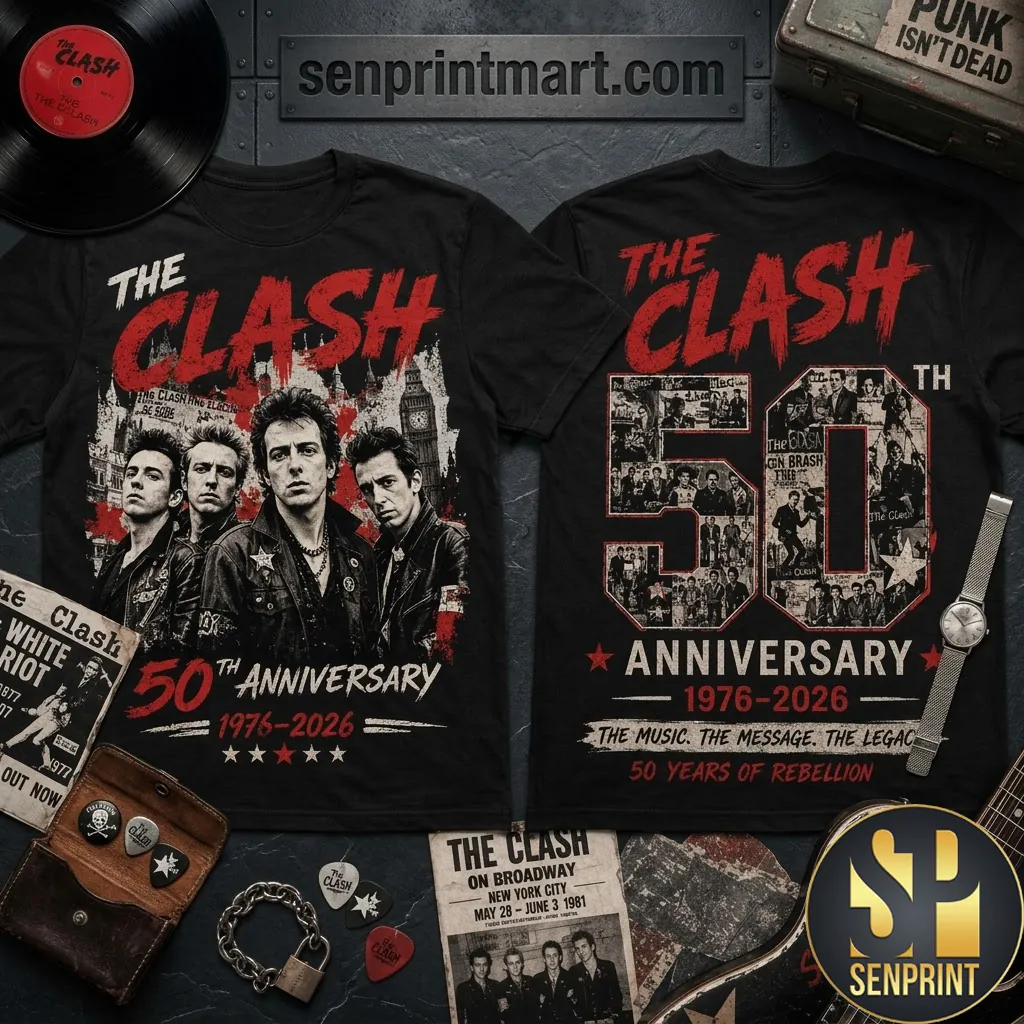
This cross-pollination reinforces a fluid understanding of music history, demonstrating how contemporary alternative idioms—ranging from the raw directness of The Clash’s fiftieth-anniversary imagery to introspective indie rock—coexist with classic pop structures.
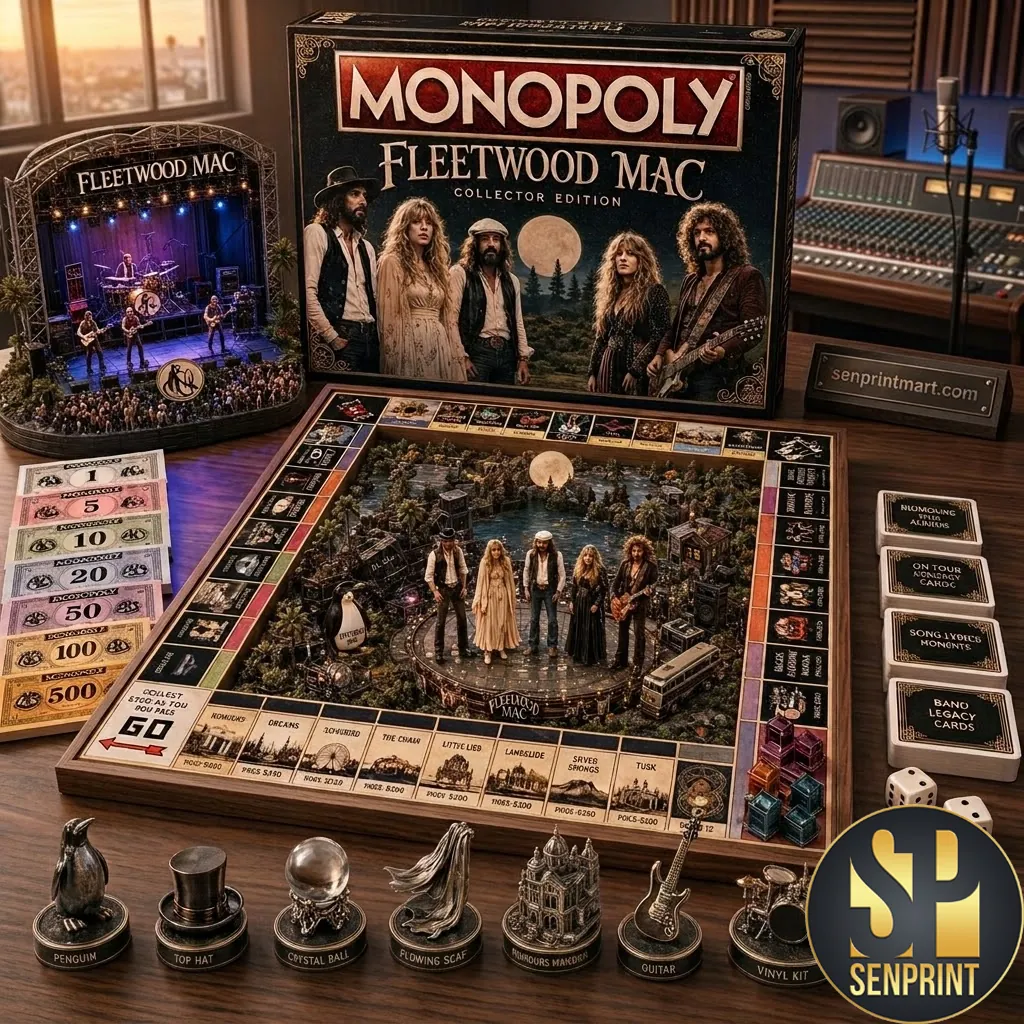
Fan engagement similarly reflects this timeless appreciation, spanning physical media, live concert devotion, and memorabilia like the Fleetwood Mac collector-edition board game. These cultural touchpoints highlight the enduring footprint of historic bands in modern daily life.
As sombr’s tour proceeds toward subsequent North American stops following the Los Angeles engagement, the Forum duet remains a self-contained artistic milestone rather than a preview of upcoming commercial releases. Its value rests entirely in the shared energy of a single evening.
Ultimately, the collaboration reframed an iconic breakup anthem not as a historical artifact, but as a living bridge between generations. For one remarkable night in Inglewood, musical boundaries dissolved entirely.
Complete Product Collection
50 items