Life Style
Home Alone Headlines Opening Night as Freeform Unveils Its 2026 Christmas Countdown
Nov
Freeform has finalized the opening lineup for its annual “25 Days of Christmas” programming block, anchoring the first evening of the broadcast around enduring seasonal favorites. On December 1, the network begins its schedule with the 2018 animated feature Grinch at 3:50 p.m. ET/PT, followed by Home Alone at 5:50 p.m. and its sequel, Home Alone 2: Lost in New York, at 8:20 p.m. Unveiled on November 2, the schedule positions Kevin McCallister at the forefront of a multi-week holiday tradition.
This curation reflects a reliable television strategy that bridges familiar comedic conflict with seasonal nostalgia. Both properties transform domestic anxiety into lighthearted chaos—one following a reclusive protagonist intent on dismantling festive cheer, the other tracing a resourceful child safeguarding his family home. As audiences look ahead to the winter holidays, the network’s line-up reinforces the reality that seasonal countdowns remain anchored by trusted characters and recognizable storylines.
Beyond merely recycling catalog titles, the schedule emphasizes the comfort of repeated viewing. Rather than introducing an entirely unproven slate, the evening orchestrates a seamless transition from Whoville to suburban Chicago, culminating in a festive trip to Manhattan. This programming rhythm illustrates contemporary holiday viewing habits: while new media options continue to expand, legacy entertainment remains central to the December broadcast experience.
An Opening Night Rooted in Festive Mischief
Released in 1990, Home Alone needs little introduction. The narrative follows young Kevin McCallister, inadvertently left behind while his family vacations in Paris, who must defend his residence against a pair of bumbling burglars. Marrying physical comedy with unexpected moments of isolation, the film endures thanks to the enduring fantasy that a child can outmaneuver adults during a chaotic household emergency.
The 1992 sequel shifts the premise to New York City, expanding the scale while retaining the core dynamic of separation and ingenuity. Back-to-back broadcasts allow viewers to appreciate the architectural evolution from a suburban fortress to a bustling holiday metropolis adorned with seasonal decorations.
Positioning the animated Grinch immediately before these features establishes an immediate thematic continuity. The 2018 adaptation examines a protagonist who views festive cheer as an intrusion before encountering the resilient spirit of the Whos. Both narratives explore the disruption of a peaceful holiday by unexpected forces, sharing a vibrant visual palette and an appreciation for comic disorder.
Such programming is structured for flexible viewing, accommodating audiences joining mid-evening or wrapping up daily routines. Because the broadcast features well-known narratives rather than serialized mysteries, viewers can instantly re-establish narrative context upon tuning in.
The broader December schedule provides ample opportunity for these titles to return. For instance, December 4 highlights modern adaptations of the Grinch by alternating the 2000 live-action feature with the 2018 animated version throughout the day, while Kevin’s adventures recur strategically ahead of the Christmas holiday, including a prominent broadcast block on December 18.
Furthermore, the schedule accommodates distinct cinematic interpretations without declaring a definitive version. Jim Carrey’s live-action portrayal and the later animated iteration offer contrasting artistic styles, allowing diverse generations to connect with the specific adaptation they encountered first.
The Enduring Appeal of Scheduled Broadcasts
In an era dominated by on-demand streaming platforms, scheduled television offers a distinct communal anchor. Rather than demanding that individual viewers navigate endless content libraries, a broadcast network curates a shared appointment, aligning with the domestic rhythms of cooking, decorating, and holiday preparation.
These broadcasts derive their appeal less from suspense than from affectionate anticipation. Returning viewers watch not to discover outcomes, but to experience familiar musical cues, comedic timing, and iconic visual gags alongside others in the household.
The schedule also accommodates diverse emotional tones by incorporating titles such as Tim Burton’s The Nightmare Before Christmas, slated for December 20 following the Home Alone double feature. Jack Skellington’s Halloween-infused exploration of Christmas broadens the seasonal palette, acknowledging that holiday narratives often begin outside traditional notions of goodwill.
Ultimately, these stories approach the holiday season from unconventional angles—whether through domestic disruption, isolation, or initial skepticism—before finding a sense of belonging within the festive period.
The absence of hesitation in revisiting these familiar titles highlights their role as domestic shorthand. Whether serving as background accompaniment for wrapping gifts or forming a deliberate family viewing tradition, the broadcast schedule provides a reliable chronological framework for the month.
A New Special Joins the Traditional Lineup
While relying heavily on classic titles, the schedule also accommodates contemporary additions, notably the Freeform debut of Mickey’s Home Alone on December 19 at 2 p.m. ET/PT. Following its November trailer release and subsequent streaming debut on Disney+, the animated special offers a fresh narrative variation on domestic separation.
In this iteration, Mickey anticipates a quiet holiday before Minnie organizes a group excursion to an Ice Palace. Left behind with Pluto, Mickey must protect their holiday dinner from local wildlife, grounding the premise in domestic comedy rather than sprawling estate defense.
This integration demonstrates how networks balance legacy programming with fresh content, using established thematic connections to introduce new variations to loyal audiences.
The convergence of old and new is particularly evident on December 23, which features Mickey’s Home Alone alongside back-to-back broadcasts of the original Home Alone films and the 2000 Grinch. This sequence enables viewers to traverse multiple generations of holiday misadventure within a single evening.
Such scheduling appeals naturally to multi-generational households, where younger viewers experiencing newer animated specials sit alongside veterans of Kevin McCallister’s suburban traps.
For household planning, key broadcast milestones include the December 1 opening night and the December 19 premiere of Mickey’s Home Alone, supporting the broader “25 Days of Christmas” run concluding on Christmas Day.
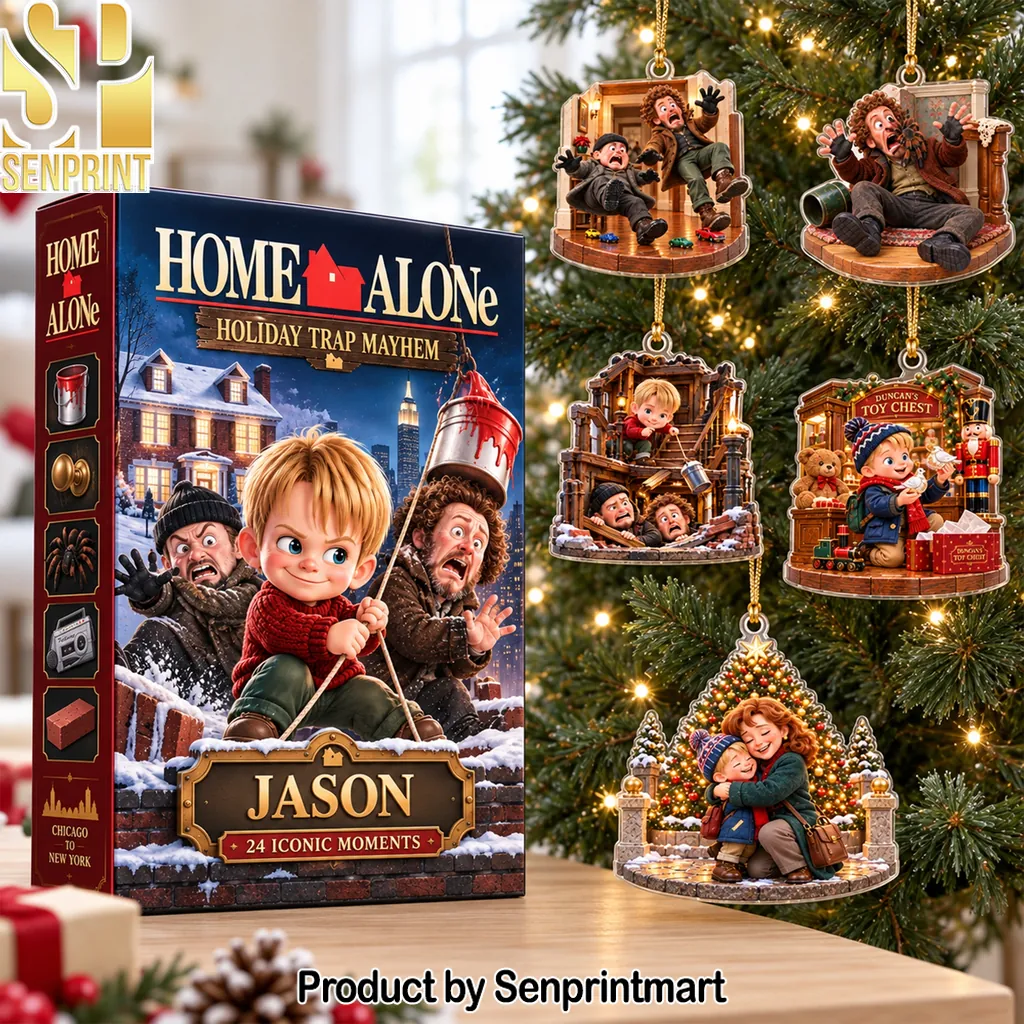
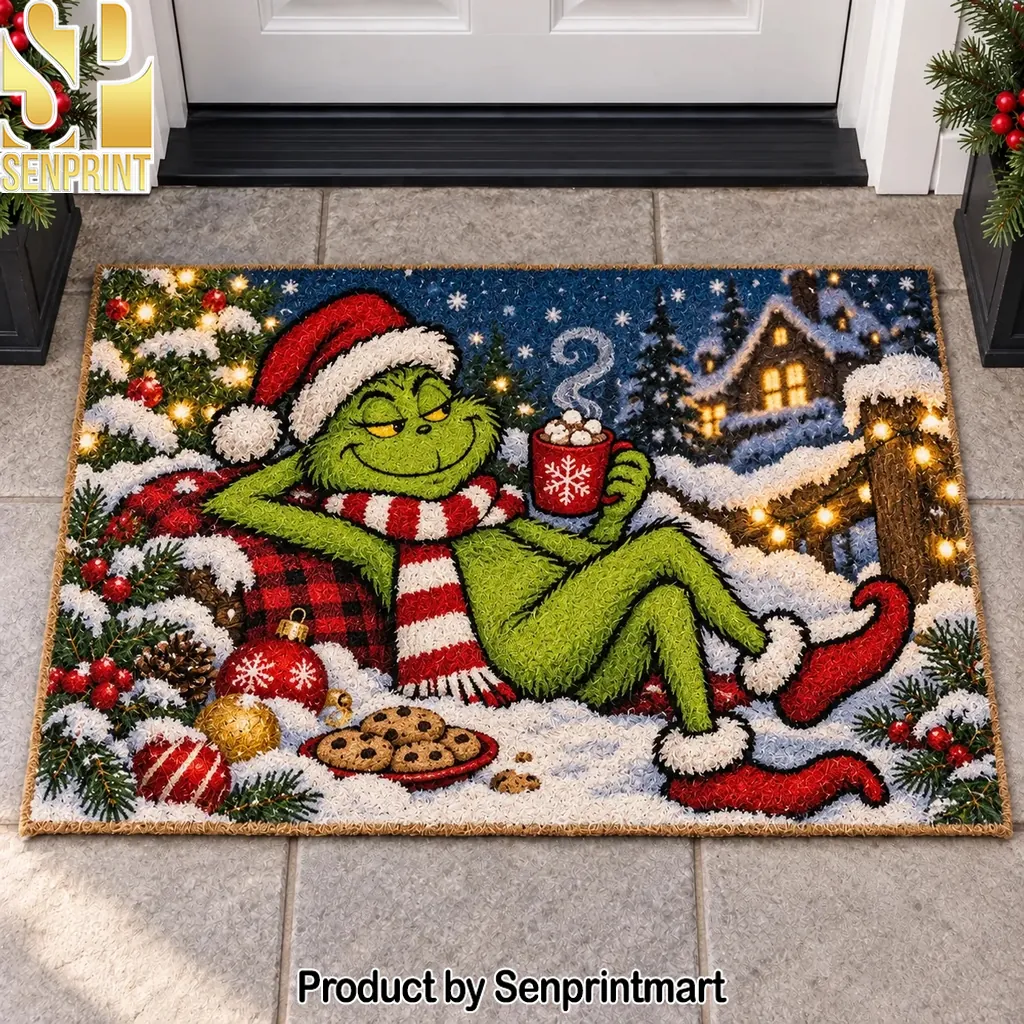
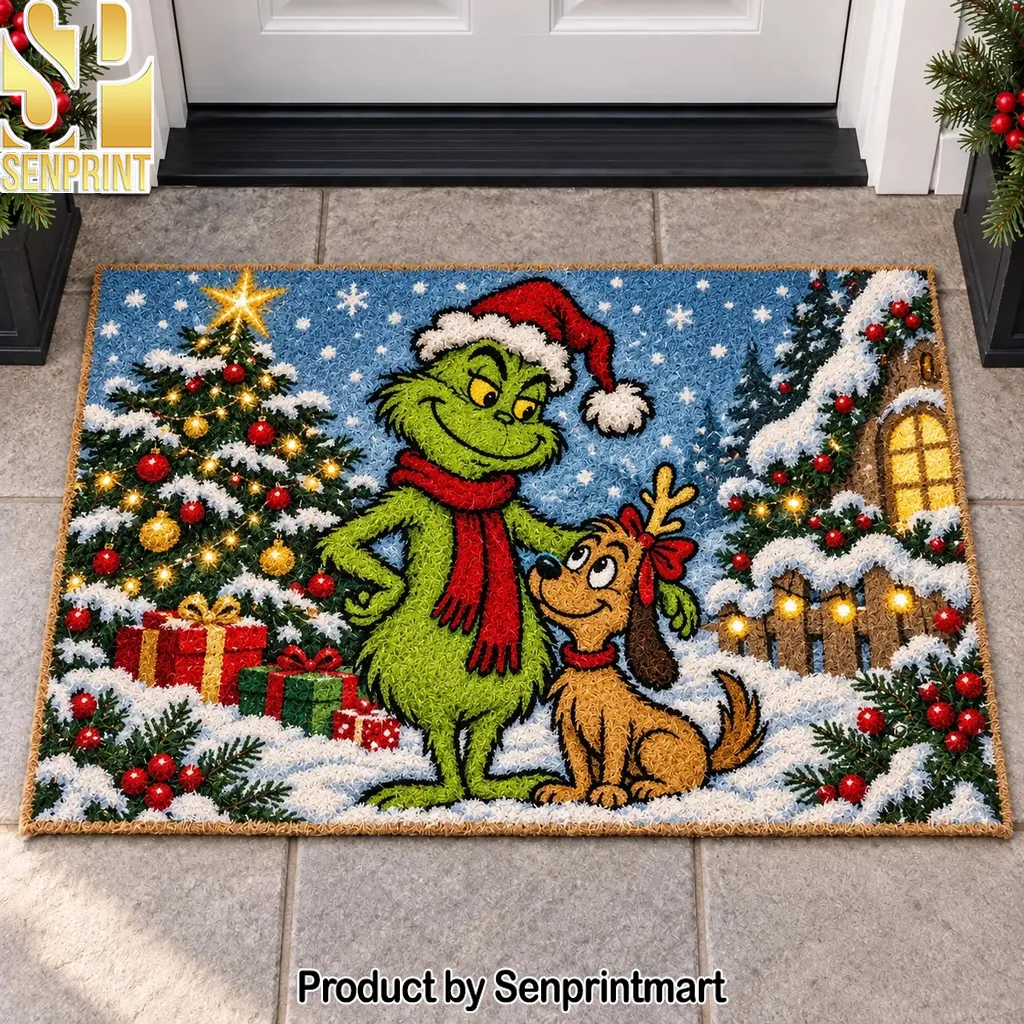
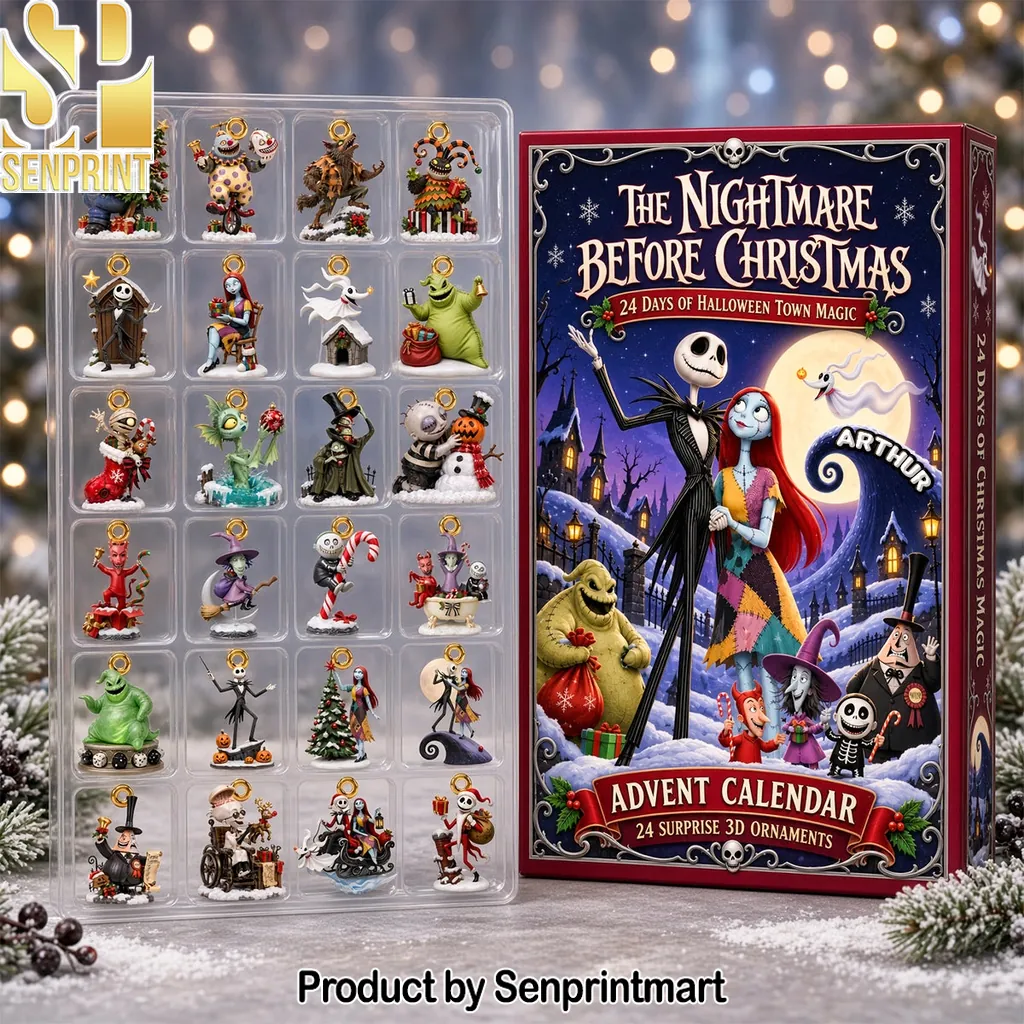
Beyond television screens, holiday enthusiasm frequently extends into physical merchandise and home decor, ranging from themed advent calendars to decorative door hangers inspired by these cinematic properties.
Independent seasonal products—such as specialized countdown calendars and character-themed home furnishings—demonstrate how beloved fictional worlds integrate into personal domestic traditions.
Ultimately, Freeform’s seasonal announcement serves to recontextualize beloved classics within a structured chronological framework, turning familiar broadcasts into reliable markers of the holiday season.
Explore the Complete Holiday & Fan Collection
A collection of character-inspired holiday decorations, countdowns, apparel and fan gifts.