Life Style
KFC Splits With Pepsi After Four Decades as Coca-Cola Secures Major U.S. Restaurant Partnership
Oct
One of the most enduring partnerships in American fast-food history is officially concluding. On October 15, Kentucky Fried Chicken announced a landmark supply agreement designating Coca-Cola as its primary U.S. beverage partner, terminating a roughly forty-year commercial relationship anchored by PepsiCo. The nationwide transition is scheduled to commence in January 2027, with full fountain implementation across domestic outlets expected by spring. For millions of diners accustomed to pairing their fried chicken with a Pepsi, the shift will manifest in a familiar fixture: the disposable cup at the counter.
This corporate realignment unites two of the nation’s most recognizable commercial entities in a move extending far beyond a routine beverage substitution. As KFC works to revitalize its domestic market share and broaden its appeal beyond traditional dine-in meals, Coca-Cola captures a massive nationwide distribution channel previously held by its chief soft-drink rival. This transition signals a calculated reassessment of how a legacy restaurant brand engages its customer base through its beverage offerings.
The announcement highlights a distinct operational contrast: a sweeping supply overhaul affecting thousands of locations while remaining immediately tangible during a routine lunch visit. While the core poultry recipes remain untouched and immediate customer routines are unaffected, the overall dining experience is undergoing a deliberate evolution—paving the way for expanded menu selections alongside traditional soft-drink choices.
A Historic Break in Fast-Food Beverage Loyalties
PepsiCo’s historical entrenchment at KFC extended well beyond standard commercial vendor contracts. In 1986, during an era of aggressive corporate brand consolidation, PepsiCo acquired the fried-chicken chain, cementing a symbiotic relationship between its packaged beverages and restaurant meals. Even after the parent company divested its restaurant division in 1997—paving the way for the creation of Yum! Brands—the beverage alliance persisted, maintaining a subtle corporate link long after ownership structures diverged.
Such enduring commercial alignments inevitably shape consumer brand perception. Although beverages rarely headline a fast-food menu, they form an integral component of daily brand recognition, appearing consistently on packaging, self-service fountains, and promotional bundles. Decades of repeated visual reinforcement embed these associations into the cultural landscape, even for patrons oblivious to underlying corporate negotiations.
The upcoming transition remains strictly domestic, encompassing approximately 3,600 franchised and corporate U.S. locations. KFC’s extensive international footprint operates under separate regional supply chains and commercial arrangements, meaning the domestic switch does not translate to a global rollout across international markets.
For PepsiCo, the departure concludes a uniquely influential chapter of direct consumer engagement. Restaurant supply contracts provide critical brand visibility, placing beverages directly into consumer hands during active dining occasions to forge enduring taste associations. While losing this prominent retail touchpoint carries symbolic weight within the industry, market analysts view the financial impact as manageable within PepsiCo’s diversified portfolio.
PepsiCo maintains numerous high-profile foodservice partnerships across the global restaurant sector. Observers emphasize that individual franchise agreements fluctuate independently of overarching soft-drink market performance, though the shift underscores the increasingly dynamic nature of legacy commercial alliances.
For Coca-Cola, securing the account offers compelling historical symmetry. Founded in 1886 at an Atlanta pharmacy soda fountain long before the advent of modern drive-thrus, the beverage giant clinches this multi-billion-dollar distribution agreement during its 140th anniversary year. The partnership returns the brand to its foundational roots, reinforcing the core premise that beverages serve as essential catalysts for social dining occasions.
Strategic Pivot Aims to Revitalize Domestic Dining Experience
KFC frames the transition as a cornerstone of its broader “Kentucky Fried Comeback” initiative. Company leadership acknowledges that a mere change in soft-drink suppliers cannot single-handedly resolve broader macroeconomic pressures facing the U.S. restaurant industry. Instead, beverages represent a vital component of a comprehensive strategy designed to re-engage consumers through enhanced menu flexibility and modernized restaurant operations.
Against a backdrop of cautious consumer spending and intense competition for fast-casual dining traffic, relying solely on traditional menu offerings is insufficient for sustained growth. KFC’s primary objective is preserving its signature culinary identity while capturing new customer segments through diversified dining choices and expanded beverage platforms.
Early indicators of this strategic direction are evident at Open House, KFC’s experimental innovation restaurant in McKinney, Texas. The test location features an expanded specialty beverage menu incorporating iced coffees, boba drinks, and milkshakes—offerings far removed from traditional carbonated soft-drink pairings. While serving as an experimental testbed rather than a nationwide guarantee, the concept illustrates the brand’s exploration of modern beverage trends.
Diversifying beverage offerings alters consumer visitation patterns, encouraging patronage for afternoon snacks or specialty treats rather than full sit-down meals. While these exploratory concepts are not guaranteed rollouts under the Coca-Cola agreement, the new partnership’s robust supply infrastructure grants KFC the operational flexibility needed to pursue such initiatives.
For a heritage brand anchored by a singular culinary specialty, navigating menu expansion requires meticulous balance. Overextending into unfamiliar categories risks diluting core brand identity, whereas excessive conservatism risks stagnation. A high-profile beverage partnership serves as an effective signal of modernization without placing undue pressure on the foundational chicken menu.
Executing a nationwide fountain transition involves complex logistical choreography, encompassing equipment retrofits, supply chain re-routing, employee training, and localized inventory management across thousands of kitchens. Scheduled to begin in January 2027 and run through the spring, the phased timeline ensures an orderly conversion rather than an abrupt cutoff for diners.
This structured timeline underscores that October’s announcement establishes a strategic framework rather than an immediate operational overhaul. Comprehensive details regarding exact beverage portfolio availability will crystallize as the rollout approaches, keeping the immediate focus on the confirmed partnership agreement.
The high-stakes agreement also reinvigorates competition within the highly contested commercial beverage sector. While both industry giants contend across retail shelves, convenience stores, and entertainment venues, restaurant partnerships possess unique strategic value by capturing consumers at the point of dining selection.
Consequently, the realignment resonates far beyond KFC’s dining rooms. The migration of a decades-old marquee account demonstrates that established corporate partnerships remain vulnerable to shifting commercial strategies, signaling a fluid competitive landscape across the fast-food industry.
Century-Old Brand Heritage Meets Modern Consumer Habits
Beyond operational logistics, the partnership bridges two century-old American consumer icons deeply embedded in cultural memory. Over 140 years, Coca-Cola’s distinct visual identity has saturated global advertising, sports culture, and family traditions, evolving from a regional elixir into an enduring symbol of American social life.
Marking its milestone anniversary in 2026—tracing back to its May 1886 debut at Jacobs’ Pharmacy in Atlanta—Coca-Cola’s integration into KFC’s national restaurant network bridges generations of commercial history, reinforcing the timeless connection between shared meals and signature beverages.
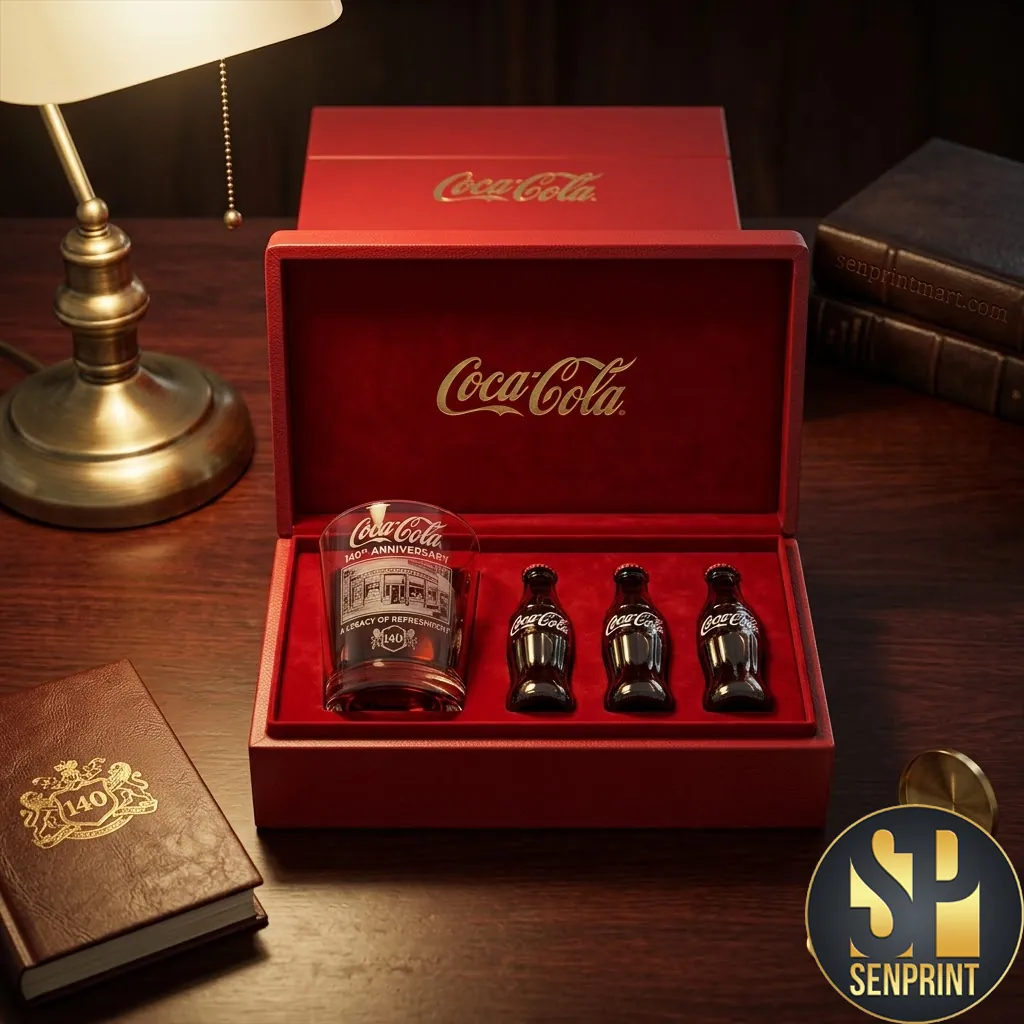
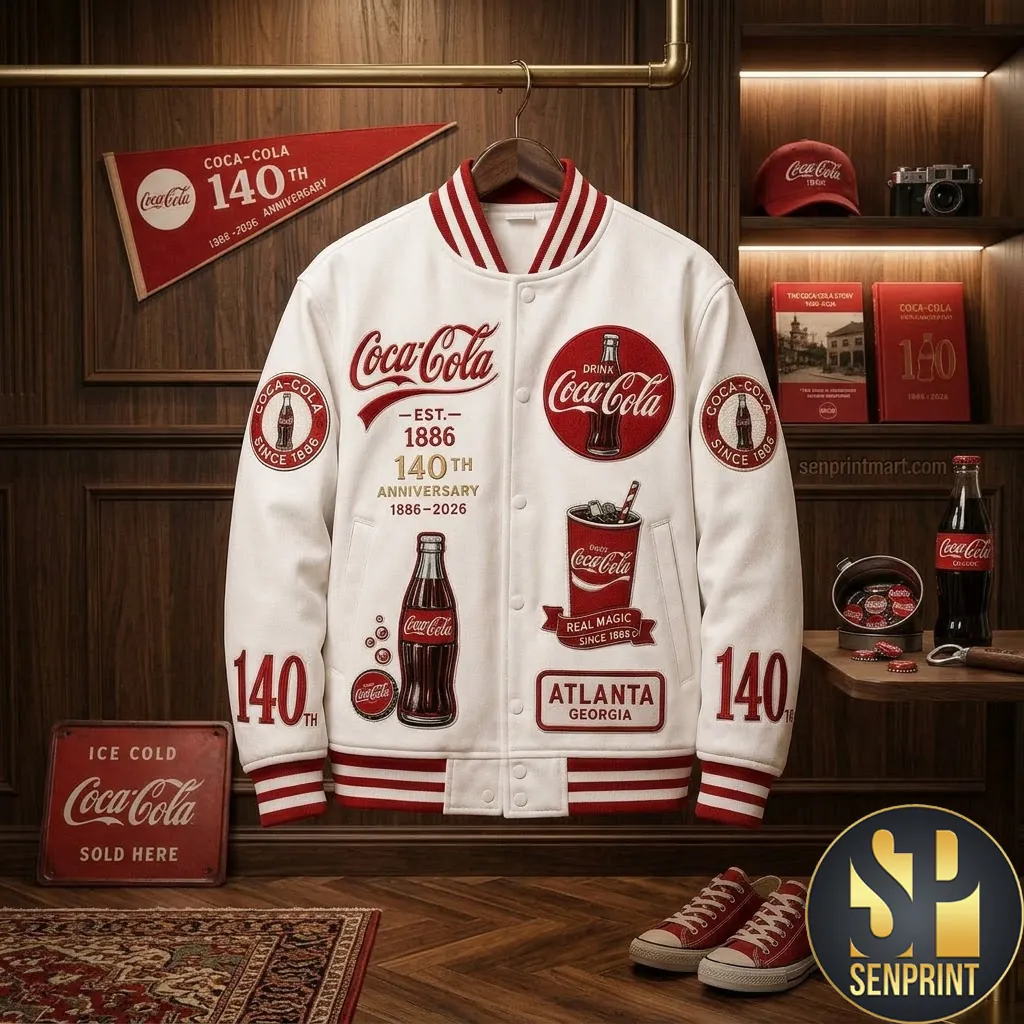
This cultural resonance also fuels sustained consumer interest in vintage-styled brand memorabilia. Commemorative items such as the Coca-Cola 140th-anniversary commemorative gift set and the Coca-Cola anniversary varsity jacket reflect broader enthusiasm for heritage branding, though these retail products operate independently of the KFC supply agreement.
Similar nostalgic trends drive demand for themed merchandise celebrating classic cinema, music history, and sports culture. Consumers frequently utilize retro designs to bridge historical touchstones with contemporary experiences. The KFC transition uniquely merges this appetite for nostalgia with a tangible shift in everyday consumer behavior.
For KFC, whose brand heritage remains inextricably linked to Colonel Sanders and proprietary seasoning recipes, pairing with Coca-Cola introduces a complementary visual and culinary pairing. While neither corporation has detailed joint promotional campaigns or custom packaging, the operational alliance establishes a powerful new backdrop for future marketing initiatives.
Such prudent messaging is essential during an anniversary year rife with corporate speculation. While industry observers will closely monitor potential co-branded activations, the verified milestone centers squarely on the modernization of domestic restaurant beverage service.
In the coming months, operational execution will dictate the partnership’s success as the January transition approaches and the nationwide rollout targets completion by spring 2027. Ultimately, consumers will evaluate the change based on everyday dining fundamentals: taste, quality, and overall meal satisfaction.
As the phased transition unfolds, the October 15 agreement has successfully transformed a routine fast-food beverage choice into a compelling symbol of brand evolution, marking a new chapter in American dining.
Full Product Collection
Explore an editorially curated selection of vintage apparel, commemorative gift sets, music merchandise, and fan collectibles.