Life Style
Ghost Frontman Tobias Forge Revisits His Death-Metal Roots in ‘VHSMixtape’

Oct
Among the eclectic auditory landscapes featured in the latest horror anthology V/H/S/Mixtape lies a sonic artifact from Tobias Forge’s distant past that will catch many Ghost devotees by surprise. Following the film’s streaming debut on October 9, Repugnant—Forge’s defunct Swedish death-metal outfit—re-emerged into the public consciousness via a freshly recorded rendition of “Premature Burial” accompanied by a music video directed by Forge himself. This unexpected return bypasses the meticulously crafted theatrical universe of Ghost, plunging back into the abrasive underground sounds that preceded Forge’s global mainstream ascent.
The production features a distinct collaborative lineup. While Forge once fronted Repugnant as lead vocalist, he contributes guitar duties to this new recording, leaving vocal responsibilities to Erik Danielsson of Watain. Former Repugnant bandmates Gottfrid Åhman, Gustaf Lindström, and Thomas Daun also rejoin the fold. The result transcends a standard archival reissue or a conventional comeback announcement; instead, a dormant death-metal venture has been deliberately reimagined within the framework of a contemporary horror feature.
This crossover aligns with the thematic ambitions of V/H/S/Mixtape, which departs from conventional concert documentaries to serve as the ninth installment in the enduring found-footage franchise, centering this time on the unsettling psychological power of sound. Encompassing contributions from creators as diverse as Forge, Wu-Tang Clan luminary RZA, and shock-rock veterans GWAR, the anthology weaves underground extreme metal, hip-hop, independent filmmaking, and visceral body horror into a cohesive narrative fabric without compromising the distinct identity of any participating artist.
For Forge, the project carries profound personal resonance. While Ghost is defined by an elaborate mythology of masked personas, shifting papal characters, arena-scale compositions, and grand stagecraft, Repugnant represents an uncompromising, formative chapter. Hearing this vintage material resurrected prompts a deeper inquiry than mere speculation over future releases: how does an artist who achieved stardom through calculated reinvention briefly reconnect with the uncompromising sonic palette that forged their early career?
The Underground Origins Behind the Mask
Established in Stockholm in 1998, Repugnant operated long before Ghost emerged as a defining force in contemporary rock. Performing under the pseudonym Mary Goore, Forge helped anchor a band deeply immersed in the uncompromising traditions of old-school Swedish death metal. The group’s trajectory was brief and fragmented, defined by underground recordings and shifting logistics rather than the sustained international acclaim that later characterized Forge’s catalog. Repugnant officially disbanded during the 2000s, with their seminal album Epitome of Darkness seeing release posthumously in 2006.
The updated iteration of “Premature Burial” acknowledges the intervening decades without attempting to erase them. Whereas Forge previously commanded the microphone, the new cinematic project finds him contributing as both a supporting guitarist and a visual director shaping the audience’s perspective. Danielsson’s vocal delivery further distinguishes this recording from its predecessor, establishing a network of musical kinship that reallocates traditional roles. Rather than preserving a static museum piece, the film grants an aging composition new life through altered execution.
Instrumental continuity is maintained through the return of Åhman on guitar, Lindström on bass, and Daun on drums. Notably, Lindström also participated in early iterations of Ghost, illustrating that the apparent chasm between the two projects is bridged by shared personnel and creative DNA despite divergent sonic identities. This underlying continuity fuels much of the intrigue surrounding the reunion, laying bare the common origins underpinning one of metal’s most radical stylistic evolutions.
Ghost ultimately transcended the death-metal underground, leveraging melodic craftsmanship and theatrical world-building to propel occult themes into mainstream prominence. Their 2025 release Skeletá captured the No. 1 position on the U.S. albums chart, underscoring the massive scale of Forge’s modern enterprise. Yet, V/H/S/Mixtape avoids positioning this collaboration as a victory lap for Ghost’s commercial achievements. Repugnant retains its compelling edge precisely because it remains raw, unpolished, and inextricably tied to the artist’s formative years.
While resurfacing legacy bands often spark immediate speculation regarding extensive tours or full-length studio albums, available evidence discourages such expectations here. No accompanying tour dates, secondary records, or permanent reunions have been announced. Forge’s involvement stands complete as a standalone performance and visual accompaniment tailored specifically for the film. The absence of broader commercial ambitions reinforces the unique, uncompromising nature of the project.
The medium serves as vital an instrument as the instrumentation itself. Directing the accompanying music video enables Forge to reunite extreme audio with intentional visual atmosphere and pacing—skills refined extensively throughout his tenure leading Ghost. Simultaneously, the production protects the visceral grit and abrasion central to Repugnant’s ethos. By housing this stark contrast within a horror anthology, the project elevates stylistic dissonance into a deliberate artistic choice rather than nostalgic pastiche.
An Anthology Structured Like a Curated Record
Following regional festival screenings, the anthology arrived on streaming platforms on October 12, perfectly timed for the Halloween season. Its governing concept operates on a flexible premise: sonic frequencies possess the capacity to unsettle, mutate, or destroy. While previous entries in the V/H/S franchise relied on varied narrative frameworks, structuring a film around the medium of audio provides a natural vehicle for abrupt shifts in tone, tempo, and perspective. Much like a mixtape transitioning seamlessly between contrasting emotional states, the cinematic narrative applies equivalent principles to horrific vignettes.
Forge’s visual interpretation of “Premature Burial” integrates seamlessly into this overarching structure rather than functioning as a detached promotional insert. Incorporating extreme-metal performance art within the cinematic flow introduces a distinct textural layer to the collection, marking a rare instance where an established arena rock artist contributes directly to an independent horror narrative. While Forge is no stranger to cinematic aesthetics through his work with Ghost, directing a segment within a collaborative anthology represents an exercise in shared storytelling rather than self-contained band mythology.
External collaborators further dismantle traditional boundaries between disparate artistic spheres. RZA, whose pioneering production work with the Wu-Tang Clan established a cinematic blueprint for hip-hop, directs a segment entitled “Death Tone,” which frames recorded audio as an active agent of terror. Rather than forcing rap and death metal into superficial alignment, the project highlights a shared understanding among creators regarding rhythm, distortion, pacing, and atmosphere in manipulating viewer psychology.
Additional contributions include Ernest Dickerson’s “The Music of Mr. Sze,” which examines audio as a vector of psychological distress, alongside David Moreau’s “Heartbeat,” exploring physical vulnerability through a sonic lens. This diversity prevents the anthology from adhering to a uniform aesthetic, utilizing a broad conceptual umbrella to unite musicians turned visual directors with traditional filmmakers examining the mechanics of auditory fear.
Renee Zhan’s contribution, “Dance, Dance, Dance, Dance,” introduces an unexpected surrealist dimension through puppets crafted in collaboration with Jim Henson’s Creature Shop. The juxtaposition of established puppet craftsmanship against adult horror exemplifies the anthology’s calculated instability. Complemented by musical interludes from Flying Lotus and framing sequences featuring GWAR that evoke vintage music television, the film functions less as a linear progression of scares than an assemblage of competing performances bound by a shared audio motif.
This structural design clarifies the inclusion of Repugnant’s resurrected track. Found-footage storytelling traditionally capitalizes on the disquieting illusion of discovered media. Unearthing a dormant underground recording evokes a parallel sensation: historical sonic material transmitted through unexpected channels. The film derives its atmospheric power not from fabricated claims of lost media, but from inviting viewers to experience an artist’s formative sound within an entirely separate creative epoch.
For a cinematic property founded on the unsettling exchange of illicit tapes, music offers an alternative mode of transmission. Compositions traverse generations, subcultures, and digital formats independently of creator oversight, acquiring new significance when paired with striking visuals or consumed by audiences unfamiliar with their genesis. “Premature Burial” exemplifies this phenomenon, breathing new life into a vintage composition via contemporary direction and a prominent placement within a modern cinematic release.
The Cultural Resonance of a Surprising Crossover
It is easy to overstate the cultural implications of transient cross-media partnerships during October, a period saturated with seasonal horror releases and heavy-metal iconography. However, this collaboration requires no inflated commercial metrics or manufactured trends to validate its significance. The reality remains concrete: a streaming premiere on October 9 successfully integrated a newly recorded Repugnant track and Forge-directed video, bridging distinct creative subcultures that traditionally operate in isolation.
The timing underscores the enduring tension between public persona and artistic origins. While Forge is globally identified with Ghost’s theatrical pageantry, this project illuminates the abrasive instrumentation predating the adoption of masks and fictional papal succession. Danielsson assuming lead vocals emphasizes that the collaboration constitutes an exercise in reinterpretation rather than a rigid preservationist crusade. The venture proves that artistic resonance does not require an arena stage to hold validity; shifting creative roles from performer to director can be equally revealing.
RZA’s involvement provides a structural parallel, bridging hip-hop production and cinematic tension within the same anthology. As horror cinema increasingly incorporates compositional pacing to manipulate audience expectations, V/H/S/Mixtape formalizes this cross-pollination. Forge’s contribution emerges as a vital component of a broader exploration into how audio functions as both narrative catalyst and aesthetic driver.
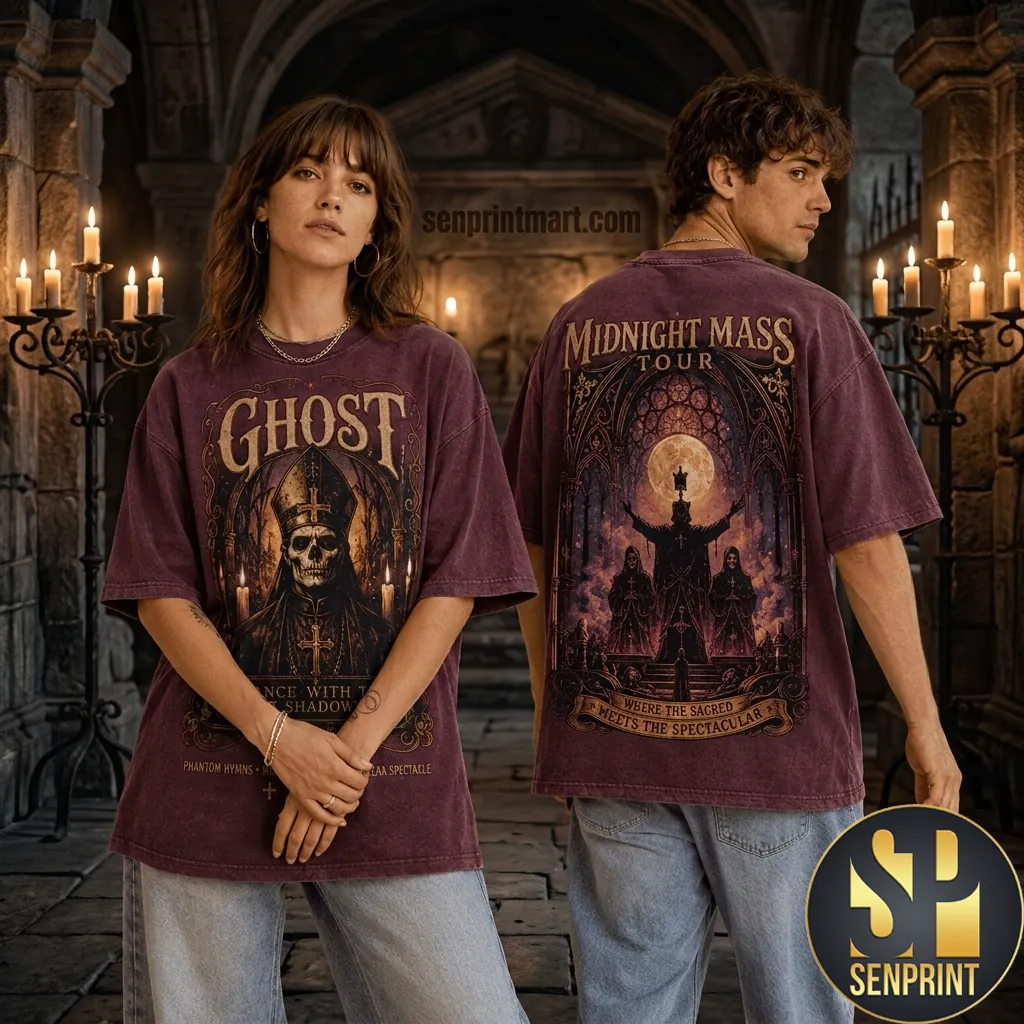
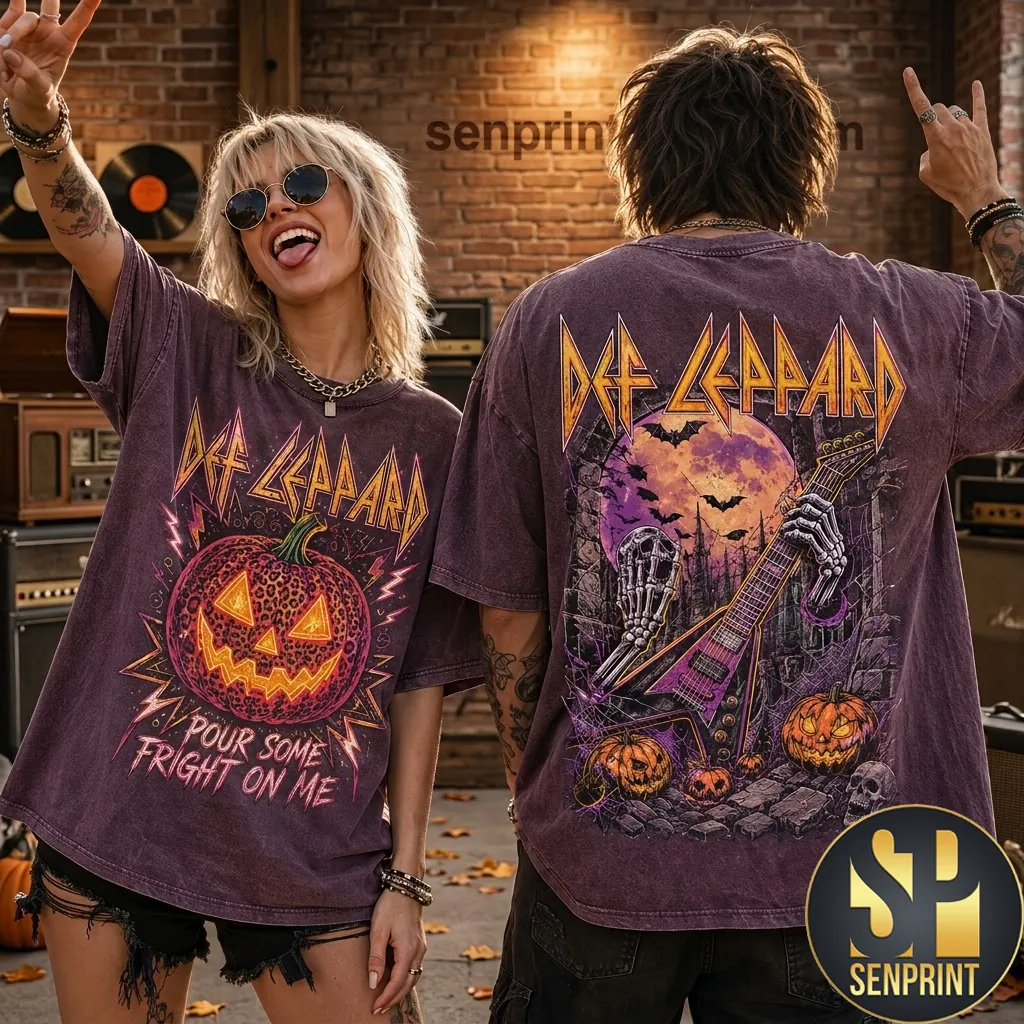
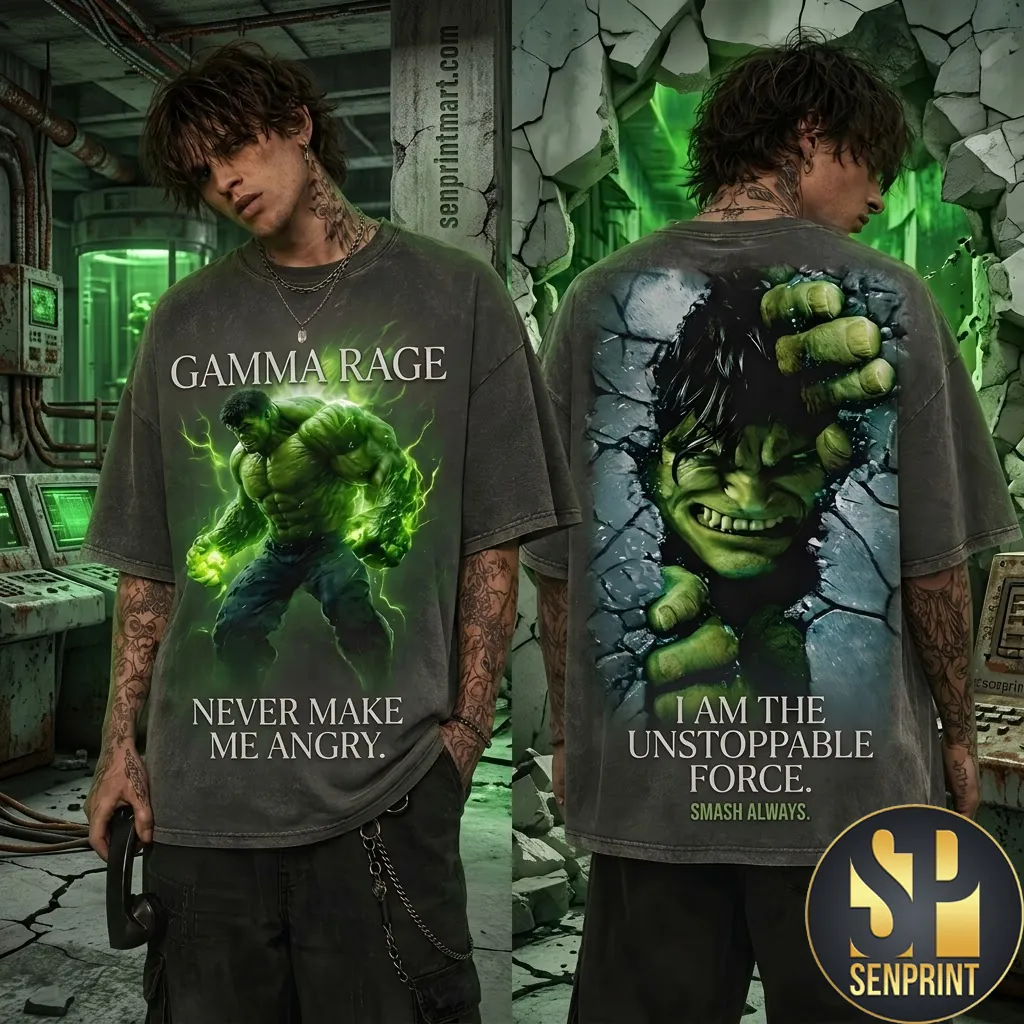
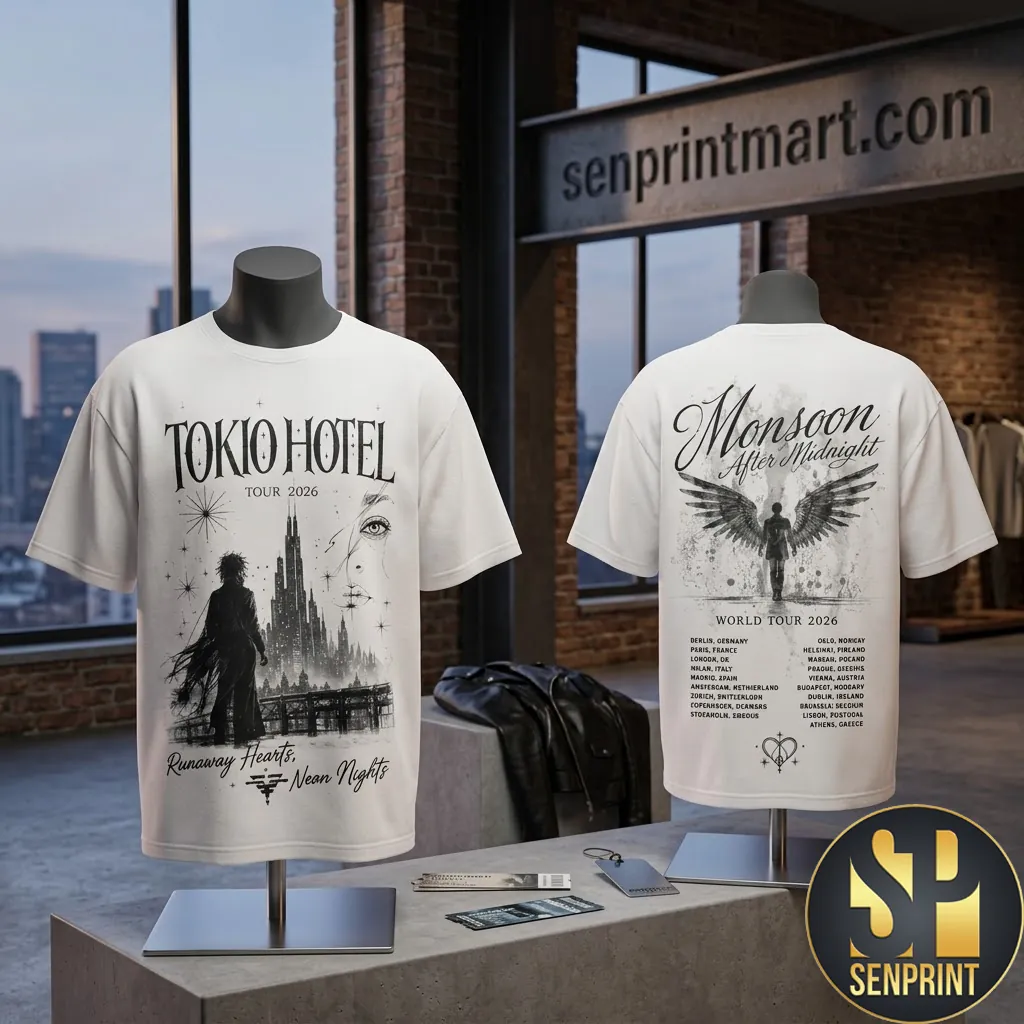
This intersection resonates across modern consumer culture as well as cinematic screens. Items like a Ghost Band Midnight Mass Tour Vintage Style Graphic T-Shirt draw upon the nocturnal, ritualistic visual lexicon associated with Forge’s primary project, whereas a Wu Tang Clan 36 Chambers Energy Graphic Vintage Wash T-Shirt nods to the hip-hop lineage anchored by RZA. Despite originating in separate subcultures, these movements find a shared conceptual home within the new cinematic release, reflecting organic expressions of fan culture rather than official merchandising tie-ins.
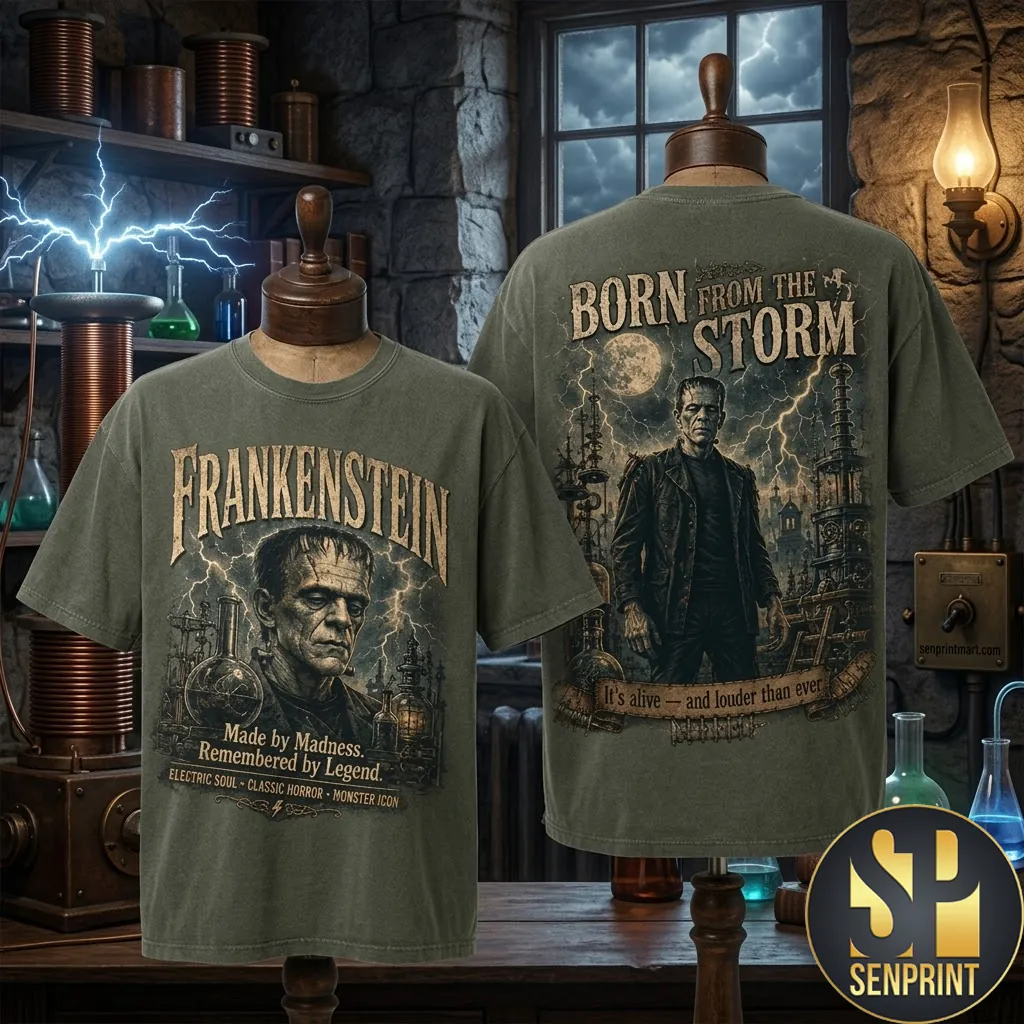
Traditional horror imagery provides an additional aesthetic bridge. Apparel featuring a Frankenstein Born From The Storm Classic Horror Graphic T-Shirt channels classic monster lore, yet taps into the same atmospheric vocabulary of electrical current, shadow, and transformation long embraced by heavy music. Such merchandise connections remain cultural rather than corporate: enthusiasts readily recognize thematic parallels spanning apparel, physical media, stage personas, and film, even as the underlying properties maintain distinct boundaries.
The long-term trajectory of Repugnant following V/H/S/Mixtape remains undefined. Forge has attached no concrete plans for a sustained studio album or rigorous touring schedule to this appearance, ensuring the film is viewed as an artistic milestone rather than a promotional teaser. Audiences are simply afforded the opportunity to experience a revitalized execution of “Premature Burial,” featuring original instrumentalists and an alternative vocal approach, resulting in a self-contained creative achievement.
Ultimately, this outcome provides a fitting resolution for a horror franchise dedicated to unsettling media. An anthology obsessed with disturbing recordings has paradoxically offered a platform for an artist’s buried history to reclaim visibility. Without abandoning Ghost’s theatrical empire or disowning the years separating both projects, Forge has enabled an early sonic incarnation to infiltrate contemporary media—reaffirming that music functions not merely as passive accompaniment, but as a dynamic force capable of transforming its environment.
Full product collection
All 50 items from the accompanying product selection.