Life Style
‘Clayface’ Debuts to $10.4 Million as DC’s Darker Gotham Experiment Hits Cinemas

Oct
Arriving in cinemas unanchored by the protective presence of Batman, DC Studios’ R-rated horror venture Clayface has registered an estimated $10.4 million on its North American opening day, inclusive of previews on October 23. The performance signals an intriguing willingness among moviegoers to embrace the darker margins of Gotham City, testing whether a narrative anchored by a tragic, disfigured performer can resonate without relying on conventional superhero formulas.
Releasing just a week prior to Halloween, the film benefits from seasonal appetite for body horror and physical transformation. Helmed by director James Watkins and starring Tom Rhys Harries as Matt Hagen, the feature substitutes standard vigilante heroics with a deeply unsettling premise: how does an actor whose professional identity depends entirely on his face cope when his own body turns against him? Following international rollouts starting October 21, the weekend marks the picture’s primary global box-office test.
Beyond initial ticket receipts, the film represents a calculated structural gamble for DC. The studio is asking audiences to engage with a Gotham narrative devoid of conventional heroes or standard supervillains awaiting a caped intervention. Instead, the narrative rests entirely on themes of desperation, mutation, and vengeance. While opening figures offer early validation, the true test will be whether a character-focused horror drama can sustain momentum once the opening weekend novelty subsides.
A Leading Man Stripped of His Public Identity
Hagen’s journey originates far from standard villainous tropes. Raised in the gritty confines of Gotham’s Narrows, he has carved out a promising acting career in Coast City. His initial motivations are entirely professional rather than megalomaniacal; he seeks simply to maintain his standing in an industry where visibility equates to livelihood. Long before any supernatural elements emerge, his sense of self is inextricably bound to his physical appearance.
A brutal assault shatters both his appearance and his standing overnight. Seeking restoration, Hagen turns to an experimental medical procedure that promises to reclaim his former image. Instead, the treatment triggers profound mutations, plunging him into a spiral where physical adaptability becomes both a weapon and a prison. The core terror lies in this cruel irony: a desperate bid to recover his original identity results in a terrifying capacity to assume the likeness of anyone.
This metamorphosis upends the traditional actor-audience dynamic. While performers normally utilize makeup, lighting, and performance craft to project an image, Hagen is stripped of agency over his own form. The film leverages body horror not merely for shock value, but to externalize a deeper existential dread: when an individual’s entire existence is defined by public image, what remains when that image is obliterated?
Harries anchors this instability through grounded performance details. By meticulously adjusting voice and cadence to reflect the gulf between his Gotham roots and his Coast City polish, Harries highlights Hagen’s internal displacement. As the narrative draws him back toward his impoverished origins, the speech patterns of his youth resurface. This subtle character work grounds the fantastic premise in genuine human adaptation.
Naomi Ackie portrays Dr. Caitlyn Corr, the researcher tied to the experimental treatment, adding crucial emotional texture. Their complex dynamic introduces themes of trust, vulnerability, and dangerous dependency, anchoring the horror in interpersonal tension rather than mere gore. This interpersonal focus ensures Hagen remains a relatable, flawed individual even as his moral compass deteriorates.
Co-written by Mike Flanagan and Hossein Amini from Flanagan’s story, the screenplay bridges intimate psychological dread with grander genre elements. Under Watkins’ direction, the film treats its comic-book origins through the lens of pure psychological and bodily horror. By inverting the traditional dynamic—focusing on the tragic genesis of a monster rather than an obstacle for a superhero to overcome—the production offers a radical reframing of Gotham lore.
Sustaining Gotham Without the Shadow of the Dark Knight
Omitting Batman is a deliberate structural choice. Gotham’s iconic status in popular culture is inextricably linked to its brooding protector; removing him forces the urban landscape to assume a different narrative function. In Clayface, the city’s stark socioeconomic divides and unforgiving environments serve as active catalysts for Hagen’s trajectory, tracing his escape from the Narrows to fleeting stardom and his inevitable, tragic return.
This spatial dichotomy elevates the narrative above standard villain origins. Coast City represents aspirational reinvention, whereas Gotham exposes deep-seated trauma that cannot be outrun. The fantastical elements underscore very real socioeconomic pressures, demonstrating that while physical form can be altered, class history and emotional scars prove immutable.
True to its standalone ambitions, the production resists setting up cinematic universe tie-ins or surprise cameos. Eschewing post-credits teases, director Watkins ensures the narrative stands entirely on its own merits, allowing the emotional weight of the conclusion to resonate without commercial distractions.
Within DC’s broader slate—following productions like Superman and Supergirl—this R-rated venture represents a bold tonal pivot. Unlike traditional superhero cinema that guarantees eventual restoration of order, this feature examines the tragic erosion of hope, positioning the primary threat as a deeply wounded human soul.
Drawing from classic cinematic monster traditions, the film derives its terror from the lingering fragments of humanity trapped beneath monstrous deformation. Suspense stems not from conventional action set-pieces, but from profound psychological uncertainty: can anyone be trusted when appearance is fluid, and where do we draw the line of empathy for a victim consumed by vengeance?
Releasing ahead of late October naturally aligns with seasonal themes of masking and transformation, yet the film inverts the standard trope. Hagen does not don a mask to terrorize others; rather, he loses the boundary between his true self and an infinite array of stolen faces. This positioning successfully bridges traditional horror fandom with comic-book enthusiasts exploring mature genre fare.
Initial Box-Office Success and Long-Term Prospects
The robust opening-day earnings provide immediate commercial validation for the project. Generating approximately $10.4 million domestically on Friday including previews, early weekend projections point toward a $24 million three-day haul. More importantly, the figures demonstrate that a niche comic property can attract substantial audiences independently, establishing word-of-mouth as the primary driver for the coming week.
Initial critical reception exhibits a typical genre divide, with general audiences responding with notable enthusiasm toward the film’s bold tonal risks. While artistic execution prompts varied reviews, the willingness to court discomfort over crowd-pleasing comfort has resonated. Sustaining momentum through the Halloween holiday window will ultimately determine the venture’s lasting impact.
Translating opening-weekend curiosity into durable theatrical legs presents unique challenges. As an R-rated psychological thriller, the film bypasses standard family demographics, relying entirely on whether the core theatrical experience generates organic word-of-mouth recommendations among horror and drama enthusiasts.
For DC Studios, the experiment offers valuable strategic insight. Demonstrating that Gotham can support character-driven horror independent of its caped crusader broadens the creative horizons of comic book adaptations, offering a refreshing counter-programming option in a saturated superhero landscape.
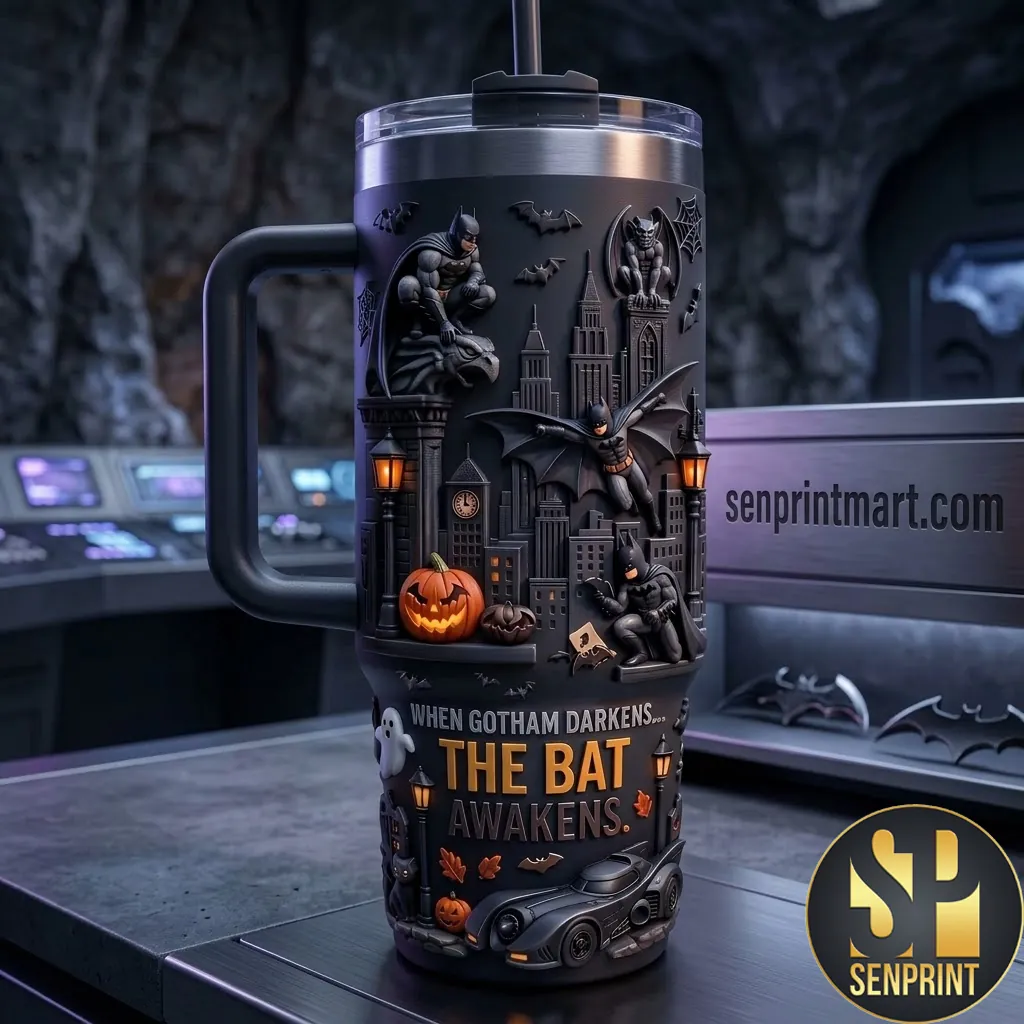
This atmospheric alignment finds parallel expression in seasonal merchandise. Items such as the Dark Knight Halloween Gotham City 3D Insulated Tumbler and the Michael Myers Halloween 48th Anniversary tumbler tap into broader cultural fascinations with urban darkness and classic slasher iconography, reflecting the seasonal appetite for gothic storytelling.
Similarly, apparel designs like the Freddy Krueger graphic T-shirt illustrate how enduring horror icons rely on distinct visual signatures. In contrast, Clayface plays with instability, presenting a figure defined by his very lack of permanence—a fitting paradox for a cinematic landscape revisiting classic monsters.
As the opening weekend concludes, final box office figures will provide definitive clarity. Regardless of immediate financial milestones, the film has achieved something notable: reframing Gotham through the eyes of its tragic margins. By exploring what happens when the victim transforms into the existential threat, the production redefines the boundaries of comic-book storytelling.
Complete Curated Merchandise Collection
Browse our extensive catalog of official-style collectibles, graphic apparel, board games, and seasonal home keepsakes.