Life Style
‘Back to the Future’ Returns to Cinemas with a 4DX Motion-Equipped Spin
Oct
A special one-night October 21 engagement invited audiences to experience the 1985 classic through motion-enhanced theater seating, transforming a familiar cinematic milestone into an immersive physical ride.
For one night on October 21, Back to the Future made its way back to cinemas across the United States, bringing with it a notable sensory shift not found on the original screen. At participating 4DX and D-BOX locations, moviegoers experienced motion-synchronized seats that reacted directly to the onscreen action. While the DeLorean remained a cinematic artifact, the Hill Valley clock tower hurtled toward its legendary lightning strike, and Marty McFly raced against the clock, audiences could physically feel every sharp turn and acceleration.
The special screenings coincided with Back to the Future Day, commemorating October 21, 2015—the futuristic destination featured in the trilogy’s second installment. However, the film brought back to cinemas on October 21, 2026, was the foundational 1985 original, available in both standard formats and motion-enhanced auditoriums. This distinction underscores that the event was not a newly minted reboot or sequel, but a fresh theatrical showcase of a beloved story whose time-travel mechanics have endured for decades.
The reissue offered a compelling rationale for trading living room comfort for a communal theater experience of a film many enthusiasts know by heart. Motion seats and environmental effects in 4DX auditoriums place the audience inside the chase sequences and narrow escapes rather than merely observing them from afar. For a narrative built squarely on momentum, split-second timing, and precarious machinery, the format provided a uniquely fitting lens through which to revisit the classic adventure.
Blending Nostalgia with Immersive Cinema Technology
The re-release carried a clear premise: the 1985 feature would screen in standard auditoriums alongside premium 4DX and D-BOX options where available. These formats deliver distinct experiences, as D-BOX focuses on motion choreography while 4DX incorporates environmental and tactile effects. Neither version alters the narrative arc or conclusion; rather, they provide a physical dimension to iconic visuals, leaving traditional screenings intact for purists.
This physical dimension resonates deeply with a film where even static imagery implies motion. The stainless-steel DeLorean is inextricably linked to velocity, sparks, and sudden departures. From Marty’s skateboard transits through Hill Valley to the climactic clock-tower rescue, the narrative thrives on the razor-thin margin between success and failure. Theater technology seeks to translate that tension into tangible sensation.
Naturally, dynamic formatting introduces a creative balance. Back to the Future relies equally on quiet beats, apprehensive glances, and escalating comedic tension as Marty navigates the delicate consequences of his presence in 1955. Much of the film’s charm stems from dramatic irony—the gap between audience awareness and character realization. While motion seats offer an inventive presentation, they complement rather than replace the careful pacing and stillness vital to the original work.
This dual appeal shaped the October 21 event. While thrill-seekers opted for premium sensory screenings, conventional showings grounded the celebration in the pure cinematic text. Structured as a limited national return rather than an open-ended theatrical run, the event relied heavily on the symbolic weight of the date to transform an ordinary Wednesday evening into a cultural occasion.
Directed by Robert Zemeckis and anchored by Michael J. Fox as Marty McFly and Christopher Lloyd as Dr. Emmett “Doc” Brown, the film chronicles Marty’s accidental transit from 1985 to 1955. Beyond its ingenious science-fiction framework, the plot carries a deeply personal emotional core: the protagonist is not striving for worldly conquest, but fighting desperately to safeguard his own existence.
This robust foundation ensures the film plays equally well to newcomers and longtime devotees. First-time viewers can engage with a tightly constructed cause-and-effect plot, while seasoned fans appreciate meticulous details like the foreshadowing of the clock tower or the intricate manipulation of future knowledge. Although theater effects add a modern variable, the narrative clock remains the undisputed driving force.
The Enduring Cultural Resonance of October 21
The significance of Back day stems from Back to the Future Part II (1989), where Marty and Doc journey forward to October 21, 2015. From the perspective of 2026, even that once-distant cinematic future now resides safely in the past. What began as a fictional milestone has evolved into an annual tradition for contrasting speculative fiction with reality, a theme honored by the 2026 theatrical return without requiring additional narrative chapters.
The event also highlighted the iconic status of the franchise’s central vehicle. The DeLorean functions simultaneously as automobile, time machine, and universally recognized pop-culture emblem. Its signature threshold of 88 miles per hour establishes a ritualistic boundary where mundane asphalt gives way to the extraordinary. Pairing this visual symbol with motion seating requires little explanation.
A fitting calendar coincidence accompanied the week: Christopher Lloyd celebrated his 88th birthday on October 22, prompting a playful social media nod from co-star Michael J. Fox acknowledging the numeric motif associated with Doc Brown. While real-world milestones do not dictate release schedules, they provide a warm human context, emphasizing how deeply the actors’ onscreen partnership resonates with global audiences.
Fox and Lloyd drive the narrative through complementary energies. Marty’s relentless anxiety propels the story through perilous temporal shifts, while Doc’s eccentric conviction makes impossible science feel entirely plausible. Their dynamic transforms abstract paradoxes into a genuine human collaboration, grounding extravagant mechanical concepts in relatable camaraderie.
The passage of time has inevitably shifted audience perspectives. Released in 1985 when its historical jump spanned three decades, the film now looks back across more than forty years to its own debut. This expanding temporal distance imbues the 1955 setting with retrospective charm while preserving core thematic anxieties—such as adolescent identity and familial understanding—that remain universally relevant.
Consequently, the theatrical setting offers advantages beyond sensory novelties. While home viewing grants total control over playback, a cinema eliminates distractions, locking the audience into Marty’s breathless timeline and driving toward the lightning-strike climax together. Enhanced effects amplify acceleration, but collective shared attention remains the ultimate draw.
A Multi-Platform Legacy That Continues to Travel
Although the cinematic engagement was brief, the broader footprint of Back to the Future continues to expand across diverse media. A stage musical adaptation is currently underway with a United Kingdom tour—including a Bristol run launching earlier in October—while fan conventions maintain an active dialogue between creators and admirers. These concurrent activities represent distinct expressions of a universe anchored by enduring characters.
Further emphasizing this continuity, a fan gathering scheduled for October 25 in City of Industry, California, brings together cast members including Lea Thompson, Donald Fullilove, Claudia Wells, Darlene Vogel, and Harry Waters Jr. Functioning as a celebratory community event rather than a formal studio reunion, it underscores the lasting affection connecting Hill Valley’s creators with their audience.
Such gatherings illustrate the varied ways fans engage with the property. Casual viewers recall iconic imagery like the car and clock tower, whereas dedicated enthusiasts pore over supporting performances and background details. Adults who discovered the film in youth now introduce it to new generations. A theatrical reissue serves as a catalyst for these shared generational experiences.
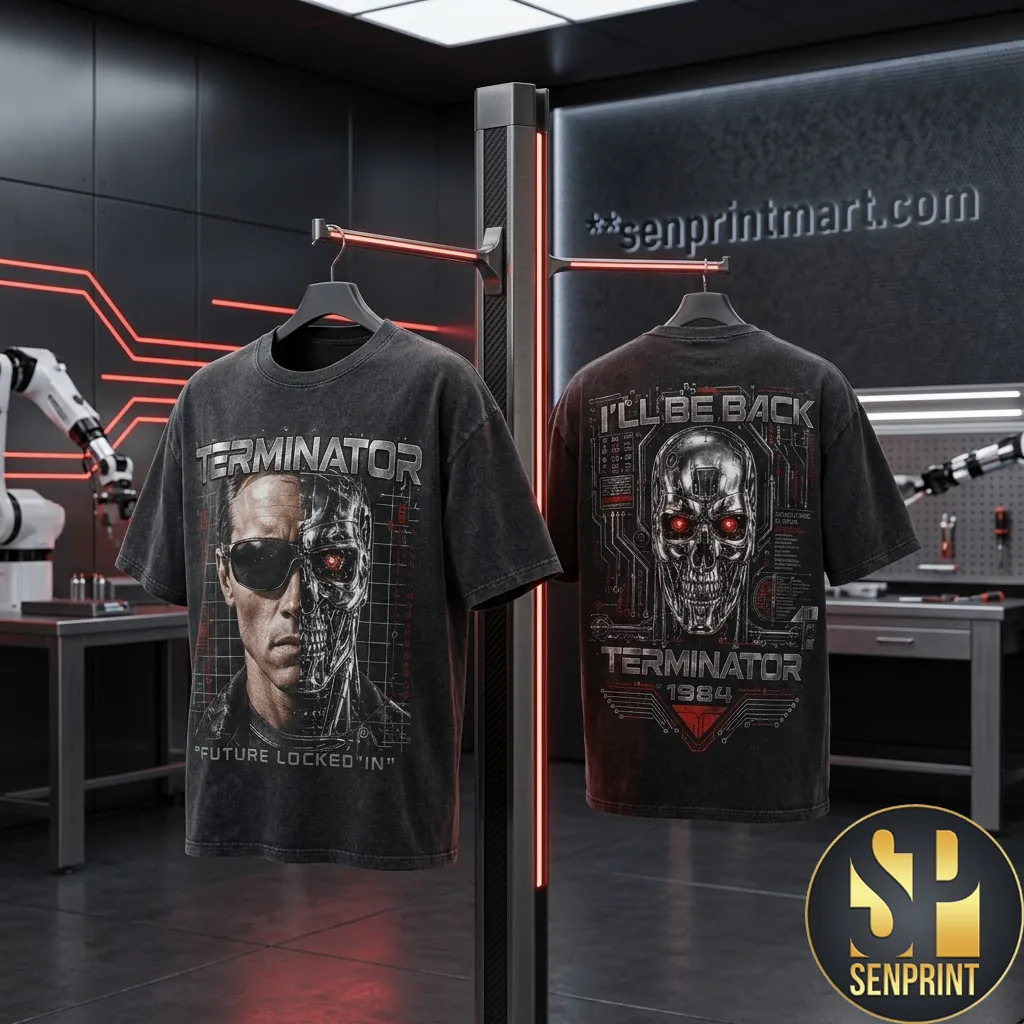
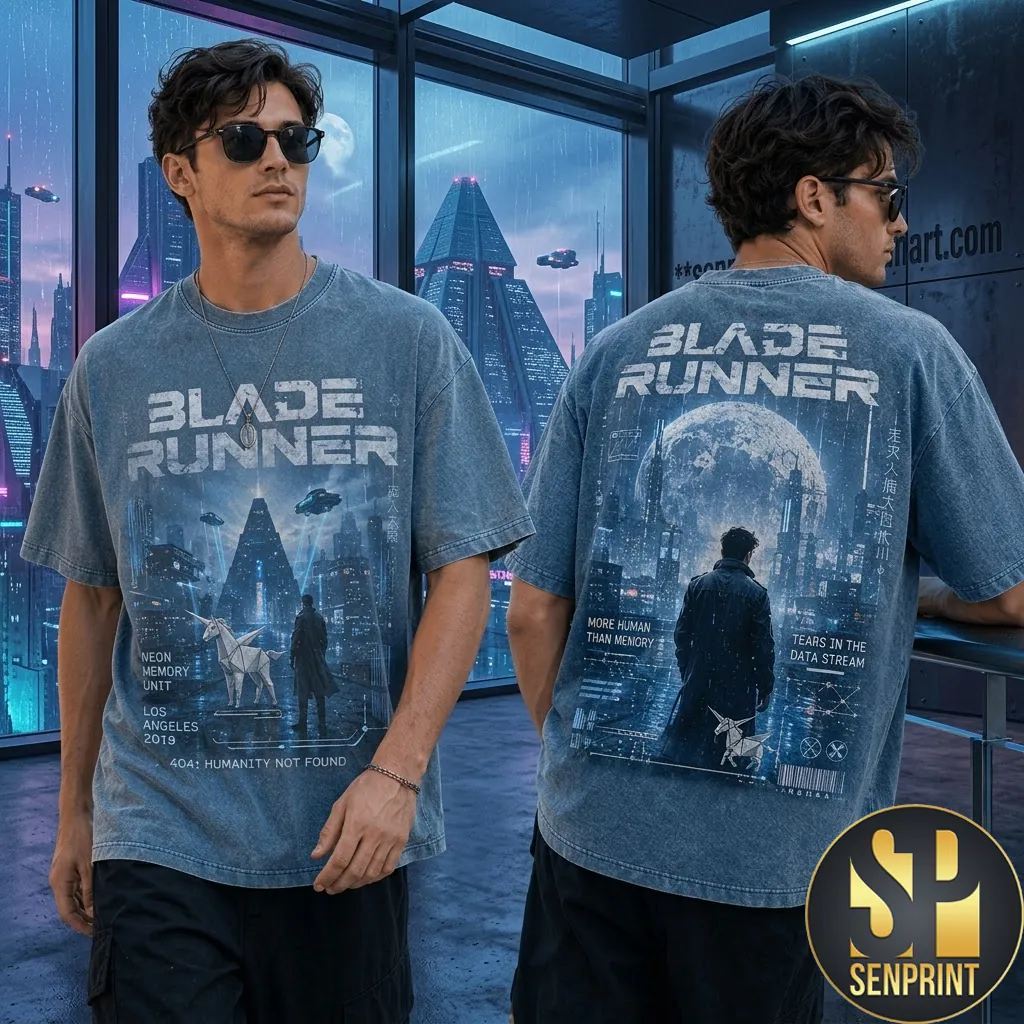
Placed alongside 1980s contemporaries like The Terminator, RoboCop, and Blade Runner, Back to the Future occupies a distinct thematic space. While those works explored dystopian futures, Zemeckis’s film centers on ordinary domestic happiness threatened by temporal anomaly. The DeLorean symbolizes more than futuristic gadgetry; it serves as a vessel for preserving human bonds.
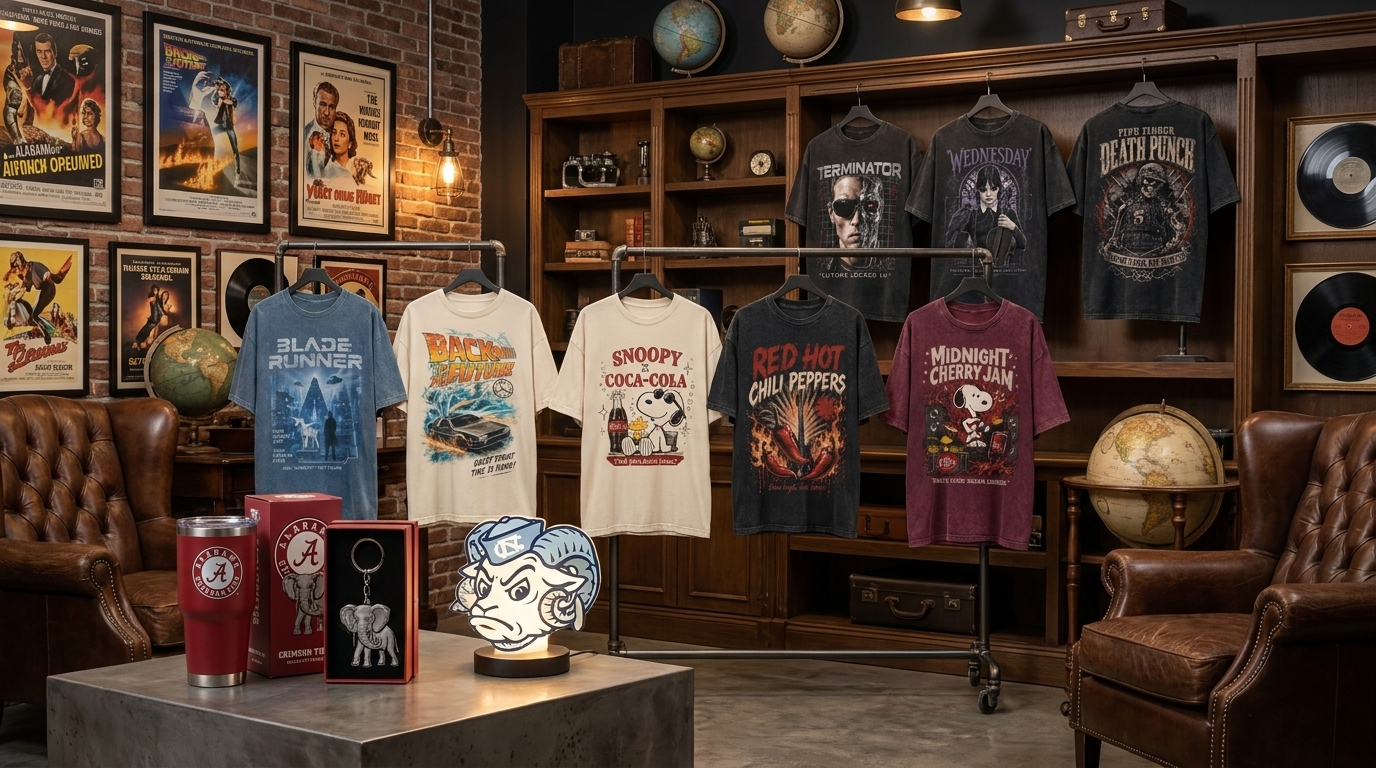
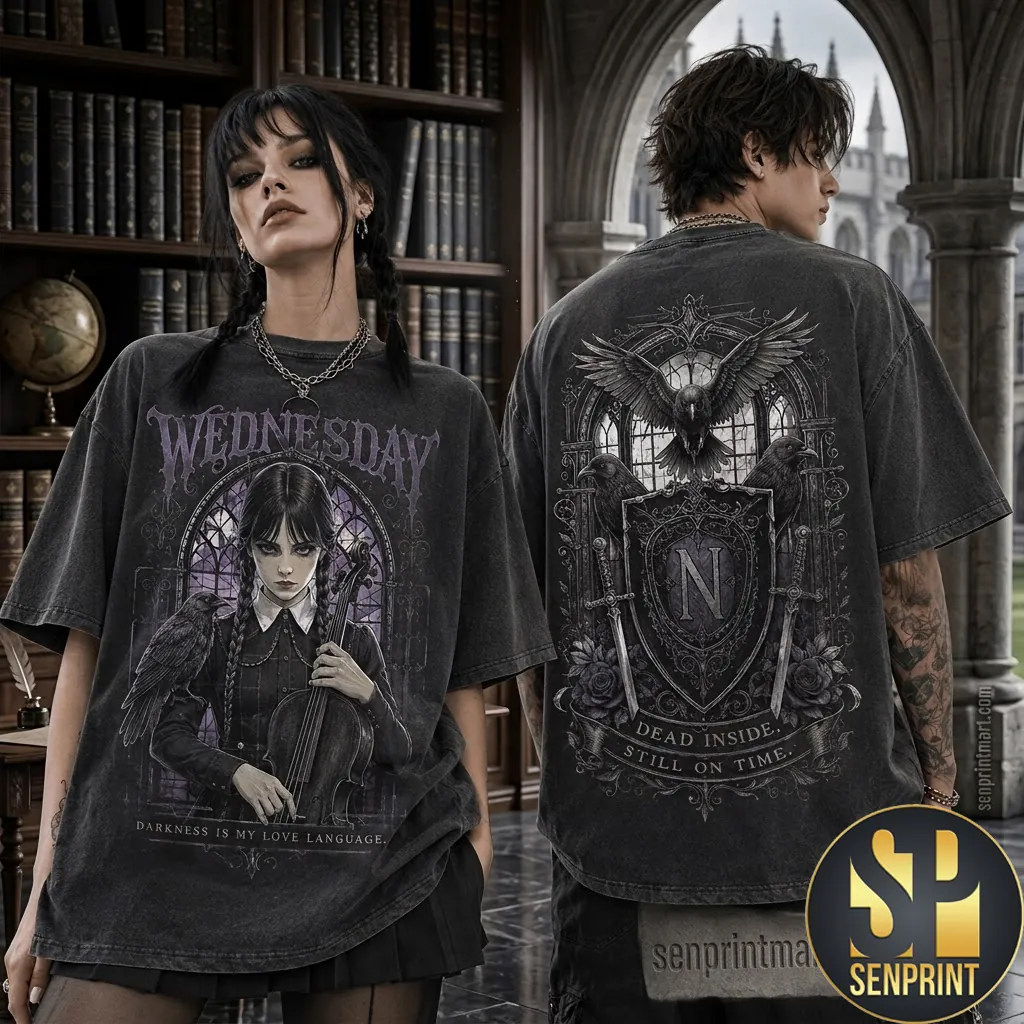
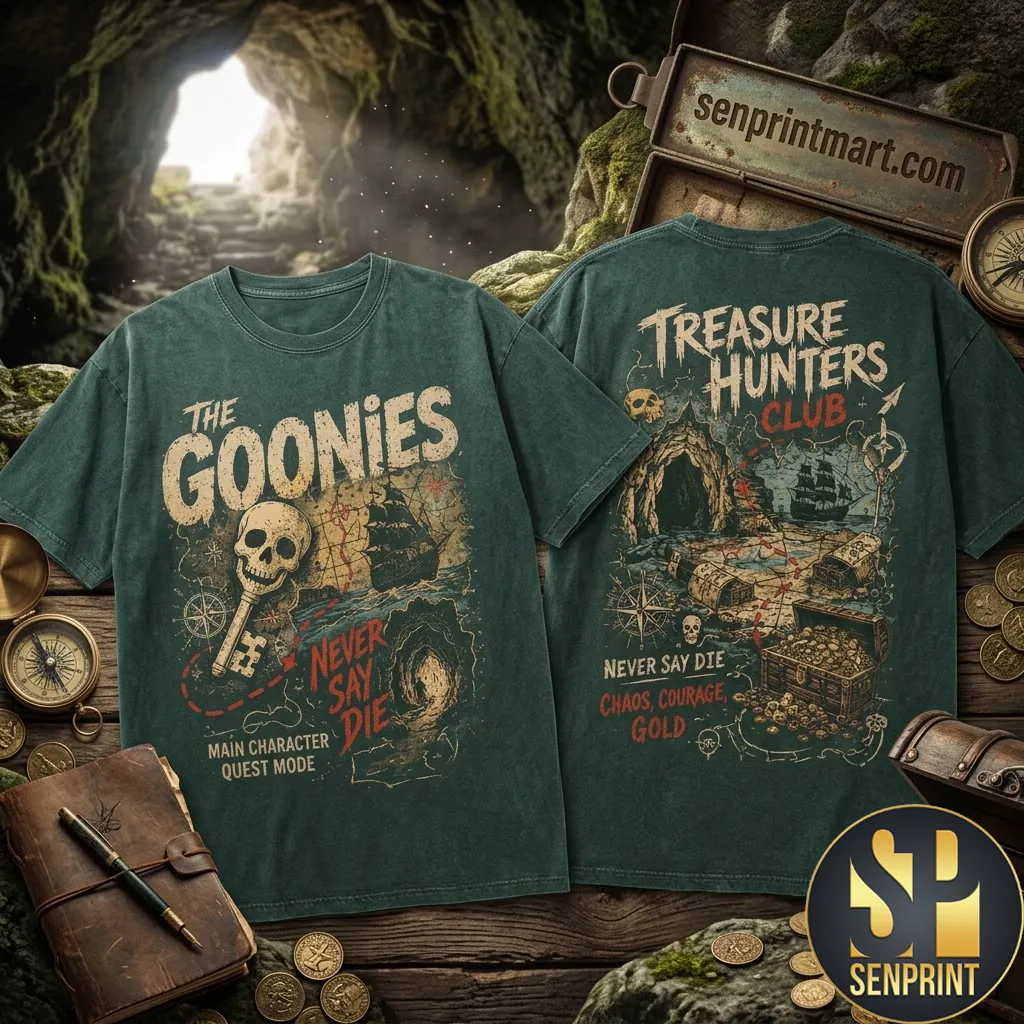
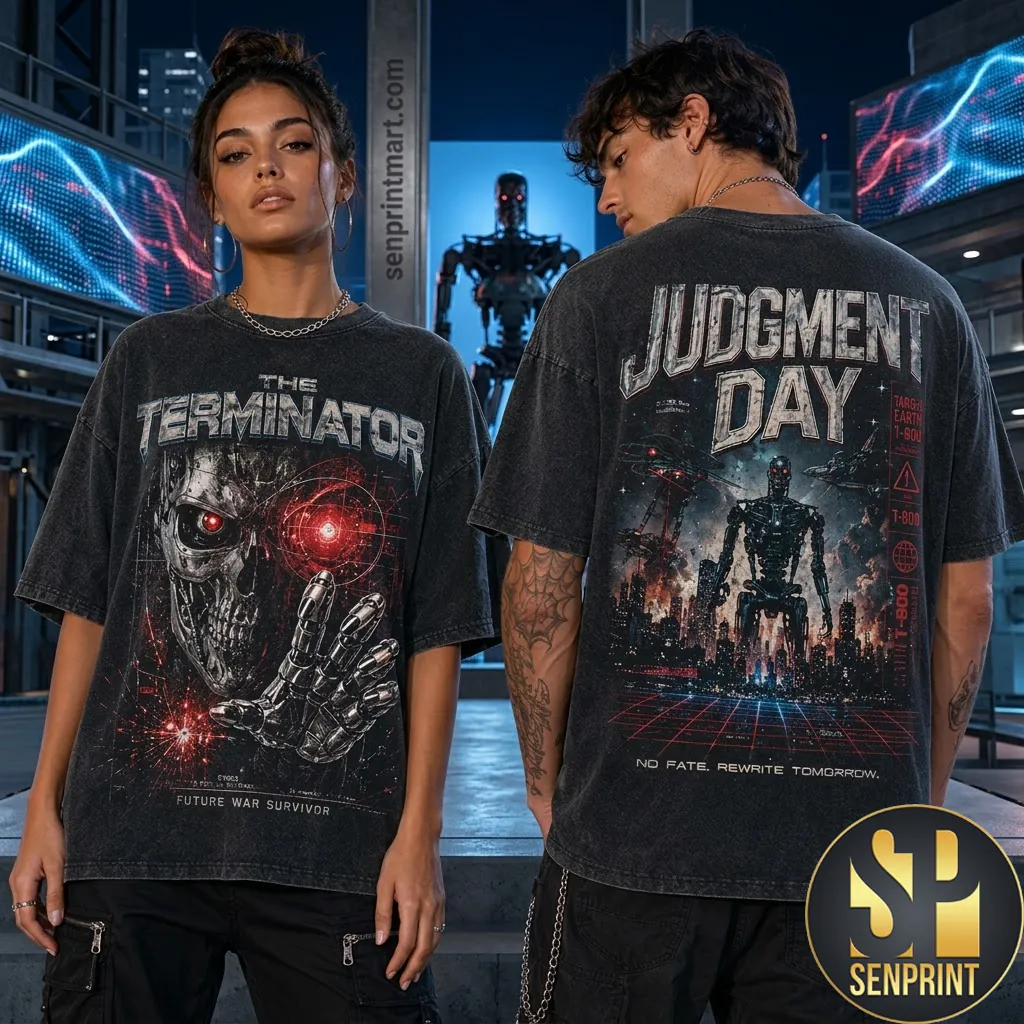
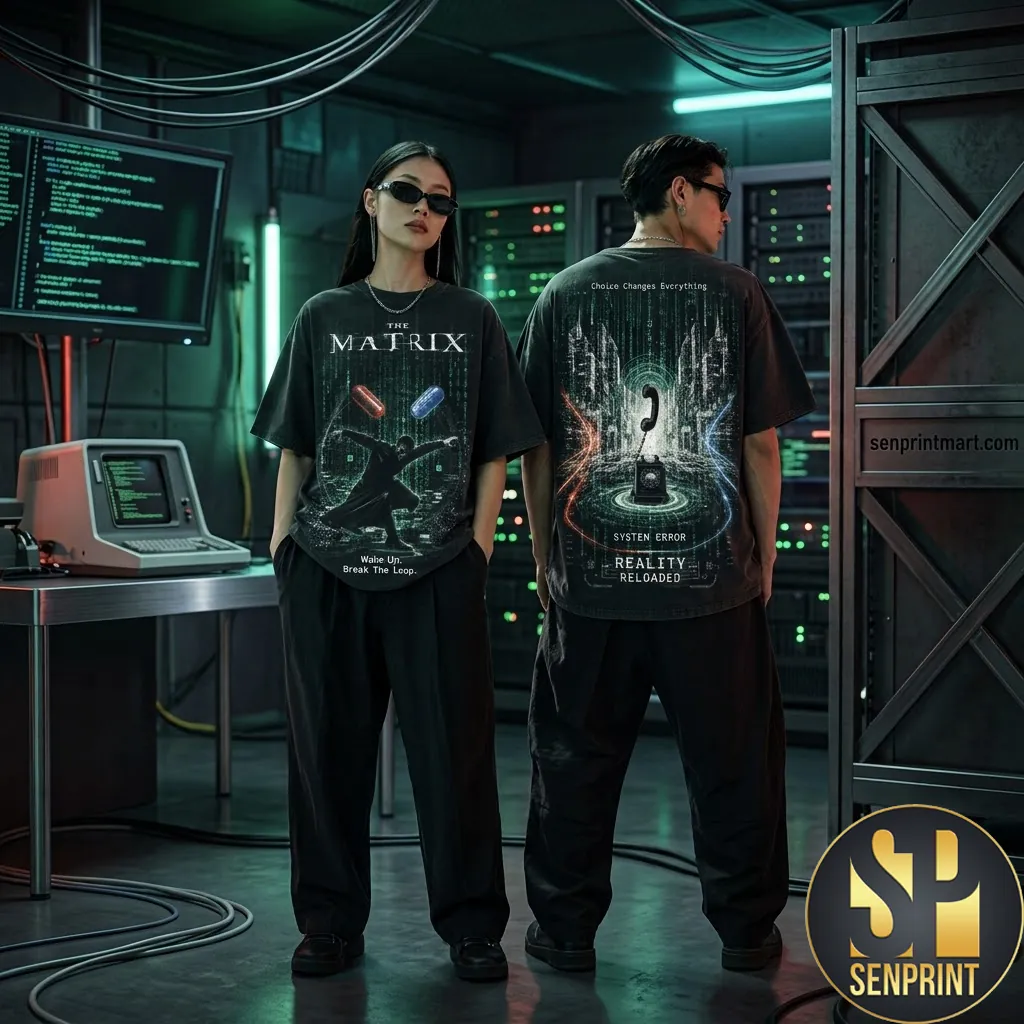
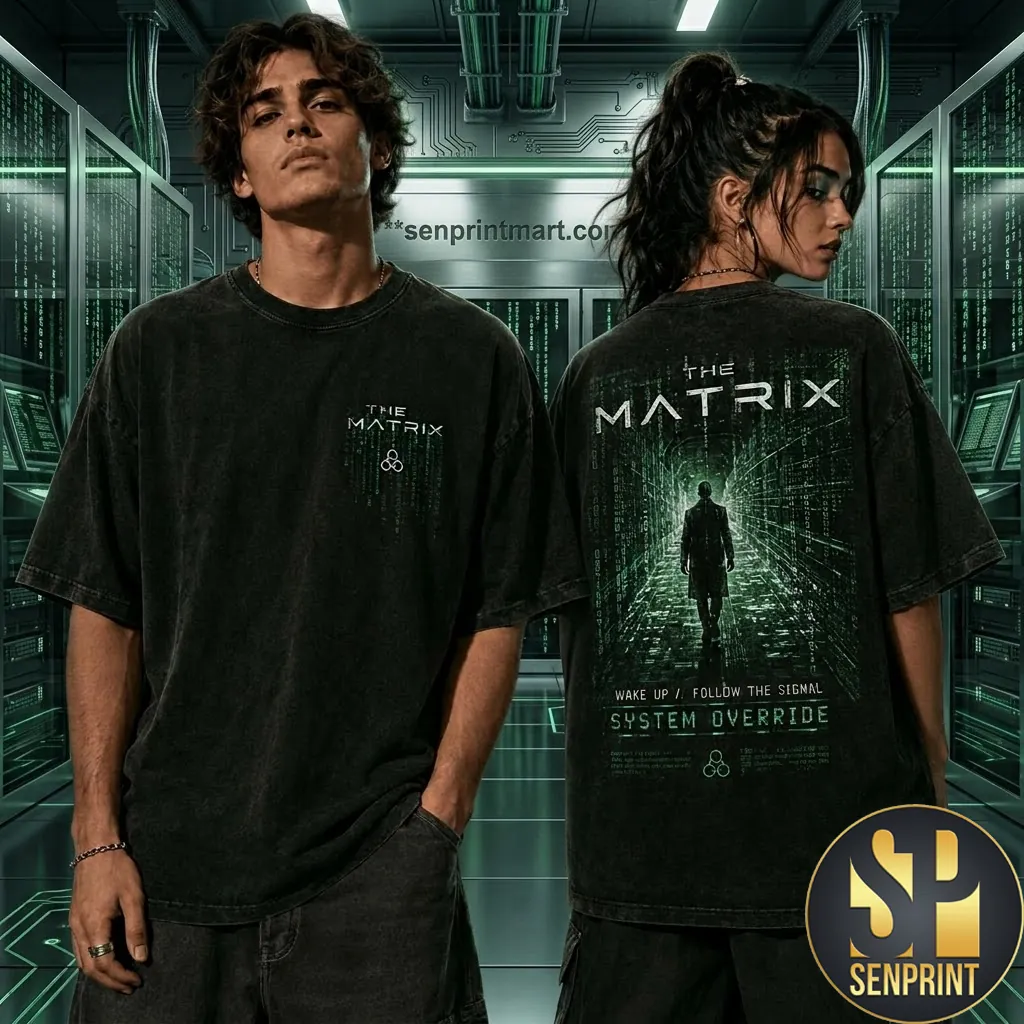
This human-centric focus allows the franchise to inspire related merchandise without diluting its original identity. Items such as the Back To The Future Outatime Energy Graphic T-Shirt distill the film’s visual shorthand into apparel, sitting alongside items celebrating adjacent sci-fi milestones like The Terminator and The Matrix. These connections reflect shared cultural appreciation rather than direct promotional ties to the 2026 screenings.
Ultimately, the property’s adaptability highlights the strength of its core storytelling. Whether experienced through a theatrical motion screening, a live stage musical, or collectible apparel, the underlying characters remain instantly legible. The DeLorean shifts fluidly between comic device, nostalgic emblem, and high-octane theater ride.
For exhibitors, titles like Back to the Future provide an invaluable asset: innate dramatic clarity. Audiences instantly grasp the stakes of a car racing against a clock tower, turning technological enhancements into meaningful enrichments of beloved scenes. Whether viewers favor motion seats or traditional projection, the 2026 program successfully catered to diverse preferences.
While the one-night engagement establishes no permanent theatrical run or upcoming sequel, it reaffirmed a charming paradox. In 1985, Marty required a flux capacitor and a bolt of lightning to traverse decades; on October 21, 2026, moviegoers needed only a cinema ticket and a motion-engineered seat. The narrative remained unchanged, yet bridging the distance between past and present proved as compelling as ever.
Explore the Full Collection
A selection of film-inspired designs, music tributes, sports collectibles and seasonal pieces.





















and target audience