Life Style
Snoopy Returns to Paper as Peanuts and Pentel Launch New Stationery Collection
Oct
The latest Peanuts partnership returns Snoopy to the very medium where his universe originated: paper. On October 27, 2026, writing-instrument manufacturer Pentel unveiled a limited-edition series of pens and erasers adorned with Charlie Brown, Snoopy, and their iconic companions. Arriving at the threshold of a holiday season steeped in franchise nostalgia, the collection integrates classic comic strip imagery into everyday stationery rather than digital screens.
This timing infuses the release with added resonance. October 27 marked the diamond anniversary of It’s the Great Pumpkin, Charlie Brown, which premiered on television in 1966. While that milestone has refocused attention on the Peanuts gang’s quintessential autumn traditions, Pentel’s announcement—bolstered by a broader rollout on October 28—takes a more intimate approach. Rather than merely inviting audiences to observe the beloved characters on screen, the new merchandise encourages fans to pick up a pen and create independently.
This compact launch shares a remarkably precise connection with its source material. Charles M. Schulz constructed Peanuts through minimalist linework, meticulously timed dialogue, and the expressive potential of sparse pen strokes on paper. Over seven decades after the strip’s inception, his creations now embellish the very implements that generate such marks. In a contemporary media landscape where Snoopy frequently appears as an animated projection or fashion motif, this return to handwriting forms the conceptual anchor of the collaboration.
The Drawing-Table Logic Behind the Collaboration
The unveiled lineup comprises limited-edition iterations of Pentel’s trusted EnerGel RTX gel pens, RSVP ballpoints, and Hi-Polymer erasers. Utilizing familiar writing and correction implements rather than fabricating novel gadgets for the occasion proves advantageous: the collaboration succeeds by elevating everyday objects through character art rather than introducing complex new items requiring explanation. A student can draft lecture notes with a Snoopy pen, a professional can deploy one in boardroom meetings, and collectors can preserve the instruments as a cohesive themed set.
Pentel’s digital storefront features five-packs featuring character artwork across both gel and ballpoint formats. A comprehensive collector’s bundle pairs two EnerGel five-packs—one spotlighting the broader ensemble and another dedicated exclusively to Snoopy—with a five-pack of RSVP ballpoints. The gel pens feature 0.7-millimeter tips and varied ink selections. While such technical specifications do not dictate commercial success, they reinforce that these are functional instruments rather than mere novelties stamped with cartoon decals. Every item is engineered for practical utility.
This practical application is precisely where the partnership gains narrative depth. Character merchandise typically reaches consumers in its completed state—whether as a printed graphic on apparel, a molded figure on a display shelf, or a fully scored television broadcast. A pen, however, inverts that dynamic. While the Peanuts artwork remains the primary draw, the user contributes the subsequent text. The iconic beagle becomes an understated companion for mundane tasks, accompanying grocery lists, marginal annotations, journal entries, or birthday greetings.
Though a wide gulf separates Schulz’s original newspaper strips from modern gel ink, their underlying mediums share a fundamental kinship. Both rely on lines transforming into meaning. Schulz’s artistry never relied on ornate visual embellishment; a subtle shift in Charlie Brown’s posture, the tilt of Snoopy’s ears, or the sharp geometry of Lucy’s expression conveyed immediate emotional resonance before a single line of dialogue was read. Consequently, stationery serves as an exceptionally fitting canvas for artwork whose potency has always resided in economical execution.
The inclusion of erasers introduces a more nuanced narrative element. Peanuts frequently mined its humor from missteps, second guesses, and the recurring inevitability that honorable intentions can falter. Charlie Brown could commit fully to an endeavor only to face public embarrassment. An eraser is an everyday utility built upon the premise that mistakes are inevitable, offering a clean slate to try again. While no grand philosophical lesson is required for standard stationery, the parallel gracefully aligns with the strip’s forgiving, wryly observational perspective on human vulnerability.
Why a Diamond-Anniversary Halloween Tale Still Resonates
This collection debuts concurrently with the diamond anniversary of It’s the Great Pumpkin, Charlie Brown. Originally broadcast on October 27, 1966, the landmark animated special transformed a modest seasonal escapade into an enduring autumn institution. In the classic narrative, Charlie Brown endures the perennial disappointment of receiving rocks while trick-or-treating, Linus maintains his lonely vigil in a pumpkin patch awaiting the Great Pumpkin, and Snoopy converts his doghouse into a biplane to engage the Red Baron in aerial combat.
These timeless sequences retain their potency because their underlying frustrations remain universally recognizable. Children immediately grasp the sting of exclusion, the earnest sincerity of unorthodox beliefs, and the fervent wish for a single evening to unfold differently. Adults recognize these exact emotions, tempered by retrospective empathy. The special deliberately avoids sugarcoating minor heartbreaks; its enduring tenderness stems from acknowledging small disappointments fully, allowing gentle humor to coexist with them.
The festive Halloween backdrop also clarifies why Snoopy translates so effortlessly onto seasonal merchandise. He shifts fluidly from daring flying ace to graceful dancer or steadfast companion. This imaginative versatility empowers designers to transplant him into diverse scenarios without forfeiting his distinct visual identity. If Charlie Brown embodies mortal anxiety and earnest striving, Snoopy provides kinetic energy and whimsical invention. Together, they grant the franchise a thematic breadth capable of transcending any individual holiday.
Although this anniversary does not entail a new broadcast production, and the original 1966 special remains distinct from the stationery rollout, their temporal alignment is deeply symbolic. Just as audiences revisit an animated masterpiece celebrated for its austere visual vocabulary and emotional clarity, a manufacturer translates that exact visual language onto tangible writing instruments. The partnership requires no direct tie-in to the television special to leverage its cultural momentum; it draws naturally upon the deep-seated affection generations harbor for these characters.
Furthermore, these two formats impose distinct demands on time. A television special commands a half-hour of focused viewing, whereas a pen is handled intermittently for brief seconds. The former establishes communal viewing rituals tied to specific calendar dates, while the latter quietly accompanies daily routines divorced from holiday schedules. This distinction grants the stationery an identity independent of seasonal marketing displays. While festive graphics initially capture attention, sustained daily utility dictates whether an item endures in a desk organizer long after holiday decorations are packed away.
A Seasonal Launch Designed Beyond the Calendar
Pentel has naturally framed the collaboration around autumn and holiday gifting—prime seasons for character-driven retail. However, the assortment fits equally well into school backpacks, office desks, and creative supply kits, ensuring its utility extends far beyond December. A Snoopy pen purchased as a stocking stuffer can easily transition into a daily writing implement come January, while a themed eraser can anchor a student’s pencil case. For character merchandise, long-term integration into everyday life represents a far more profound success than fleeting unboxing enthusiasm.
This assortment highlights a vital distinction frequently overlooked in collectible markets: while certain items are manufactured strictly for display, preservation, or occasional festive wear, others earn their keep through active physical handling. These pens belong firmly in the latter category, even if purists elect to leave packaging unopened. The primary allure extends beyond possessing a recognizable likeness; it lies in introducing a tangible fragment of a beloved universe into routine tasks, fostering a more intimate connection than static shelf displays typically afford.
None of this guarantees immediate commercial mania or instantaneous collector scarcity. Although designated as a limited edition, that classification alone does not dictate market demand, regional shortages, or secondary-market valuation. What remains indisputable is that the collaboration possesses a coherent creative vision and a robust product lineup. By merging iconic Peanuts branding with reliable, established writing implements during a period when the broader franchise is highly active across entertainment and retail sectors, the release stands on solid conceptual ground.
The franchise’s enduring contemporary reach renders this premise immediately accessible. Although the original comic strip premiered in 1950, subsequent generations unfamiliar with newsprint syndication have embraced the characters via television specials, apparel, toys, and holiday rituals. A child might encounter Snoopy initially as artwork on a pencil pouch; a parent may associate him with Charlie Brown’s iconic Christmas tree; a grandparent may recall reading the daily broadsheet strips. No single entry point is required for audiences to recognize these figures as components of a shared cultural lexicon.
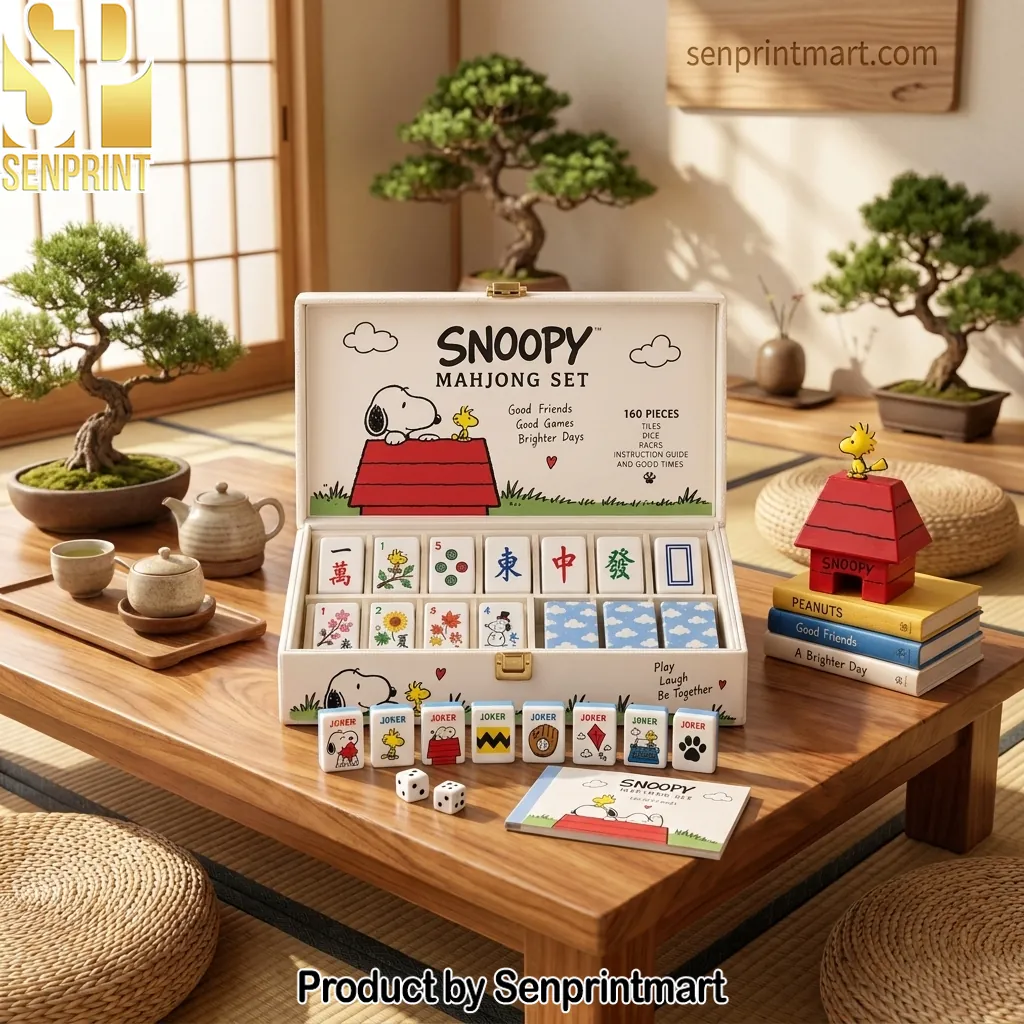
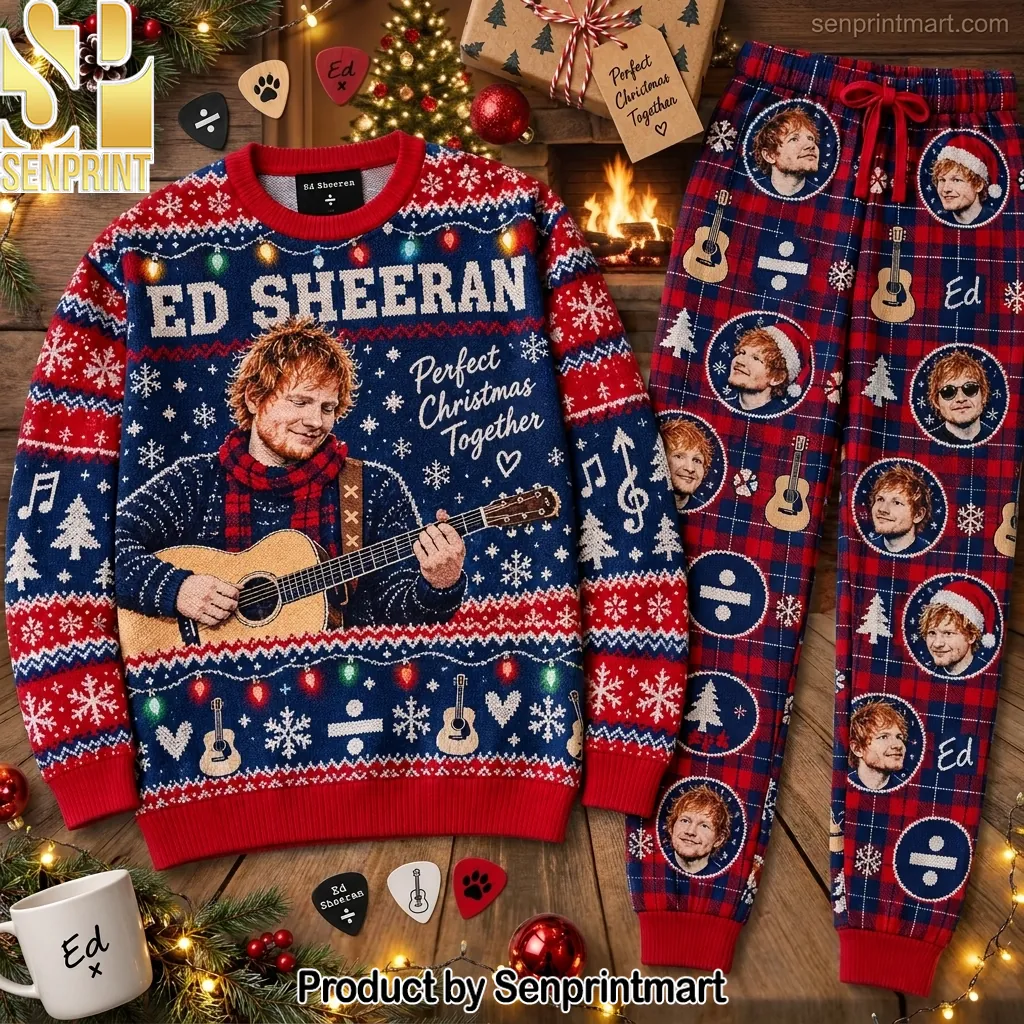
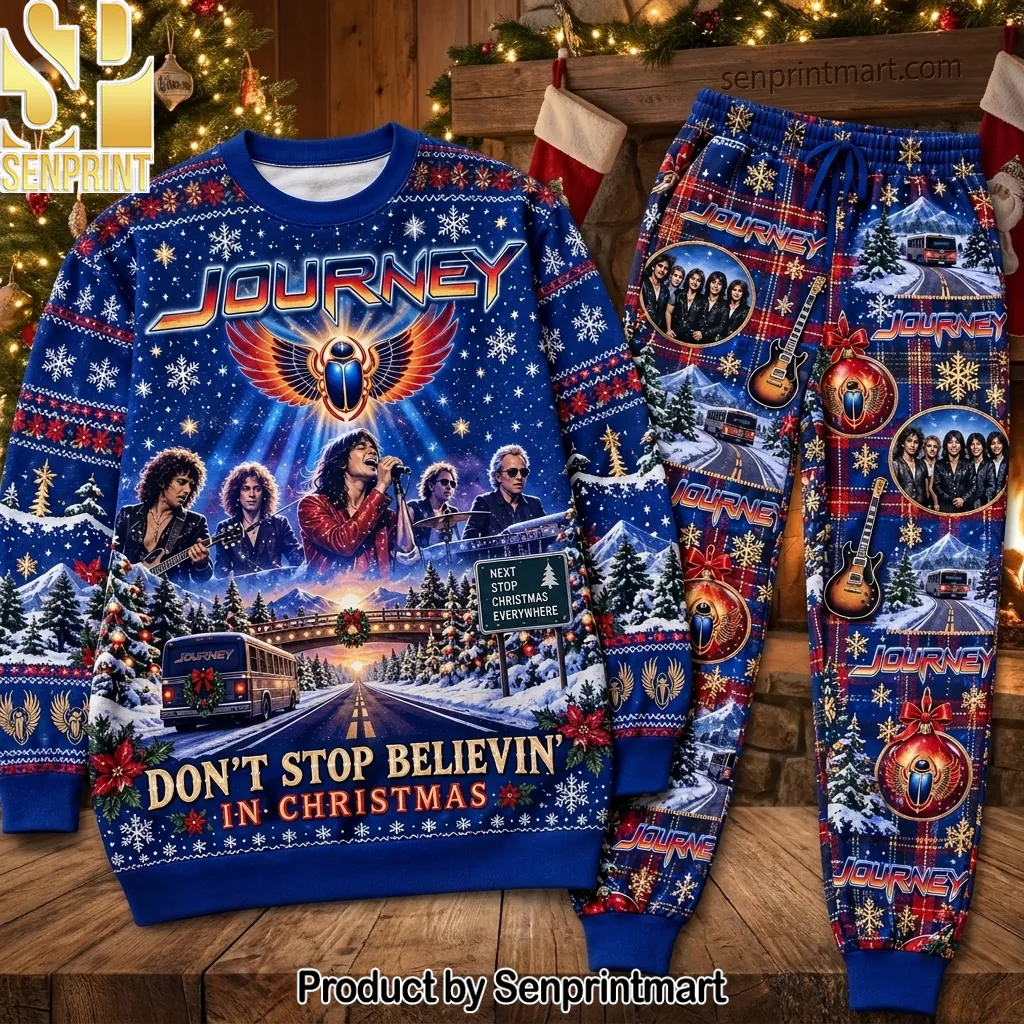
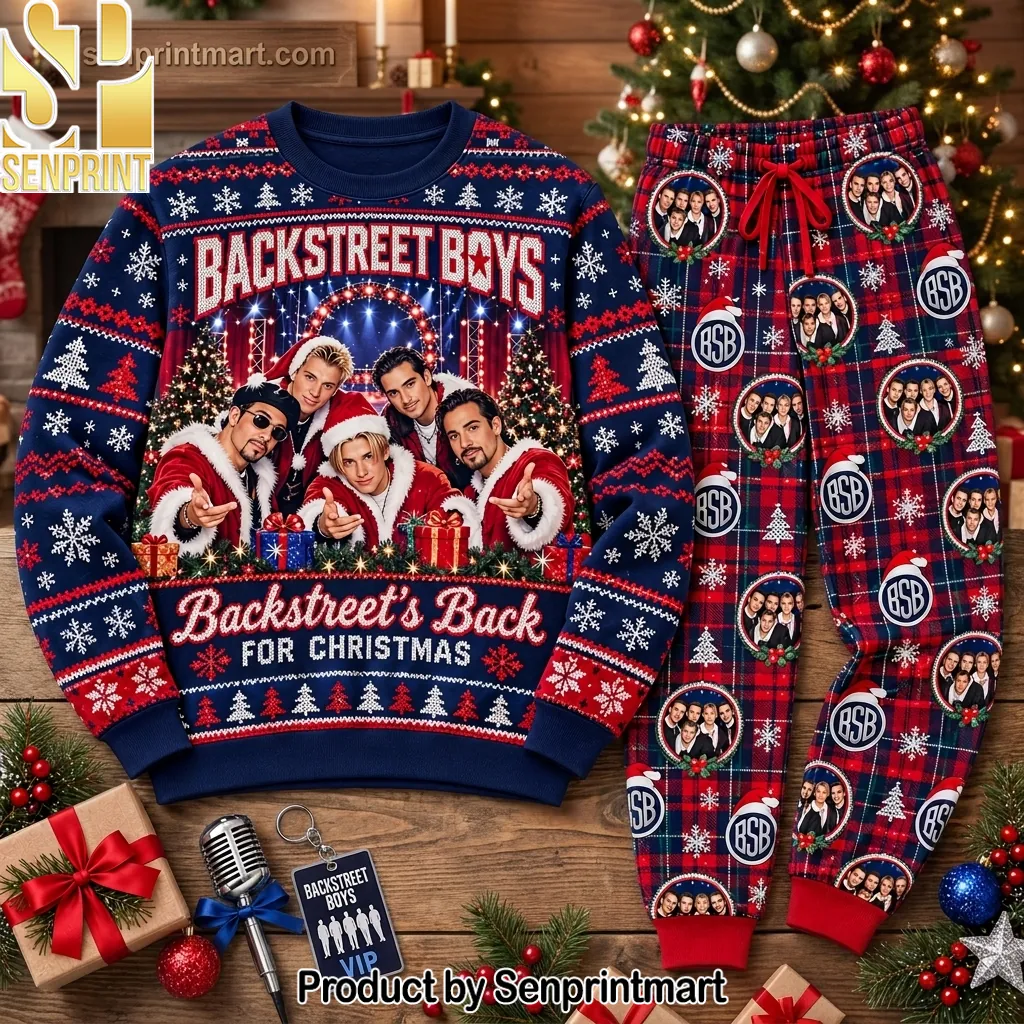
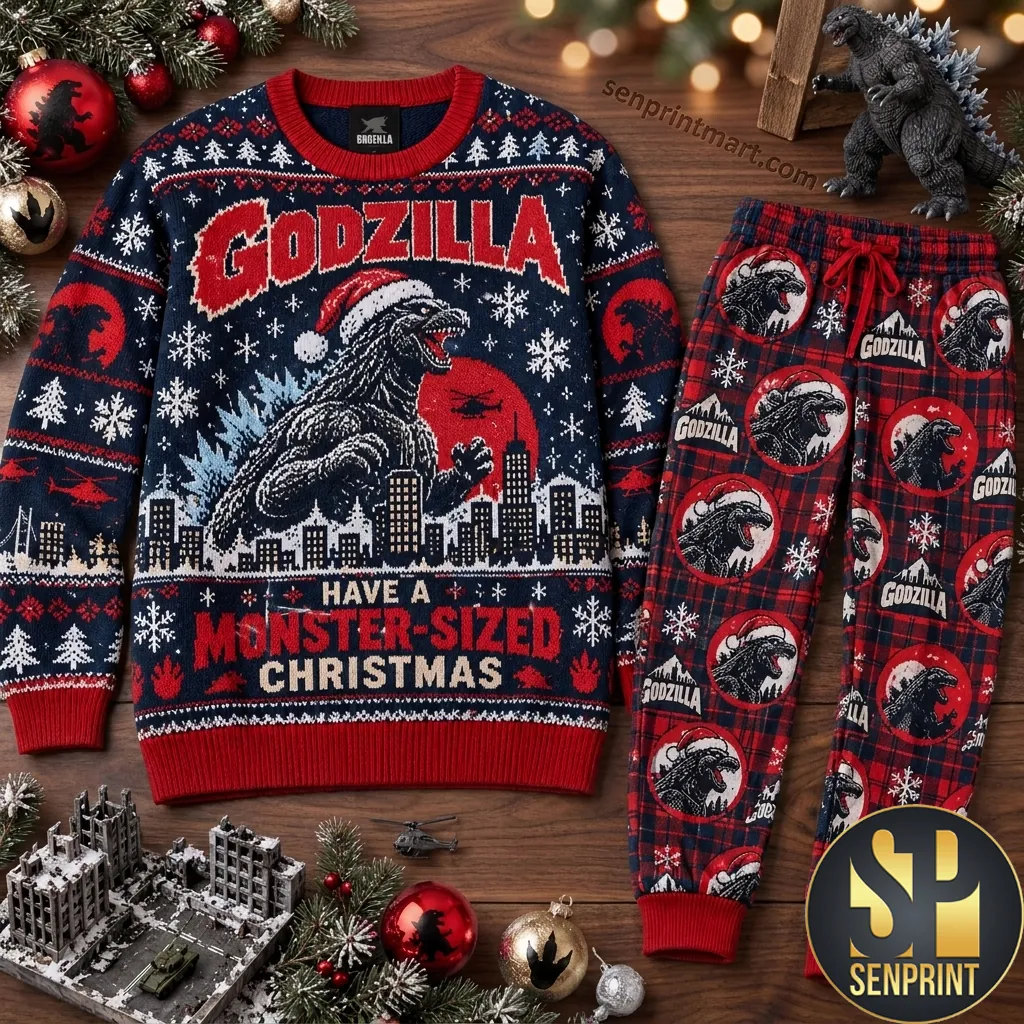
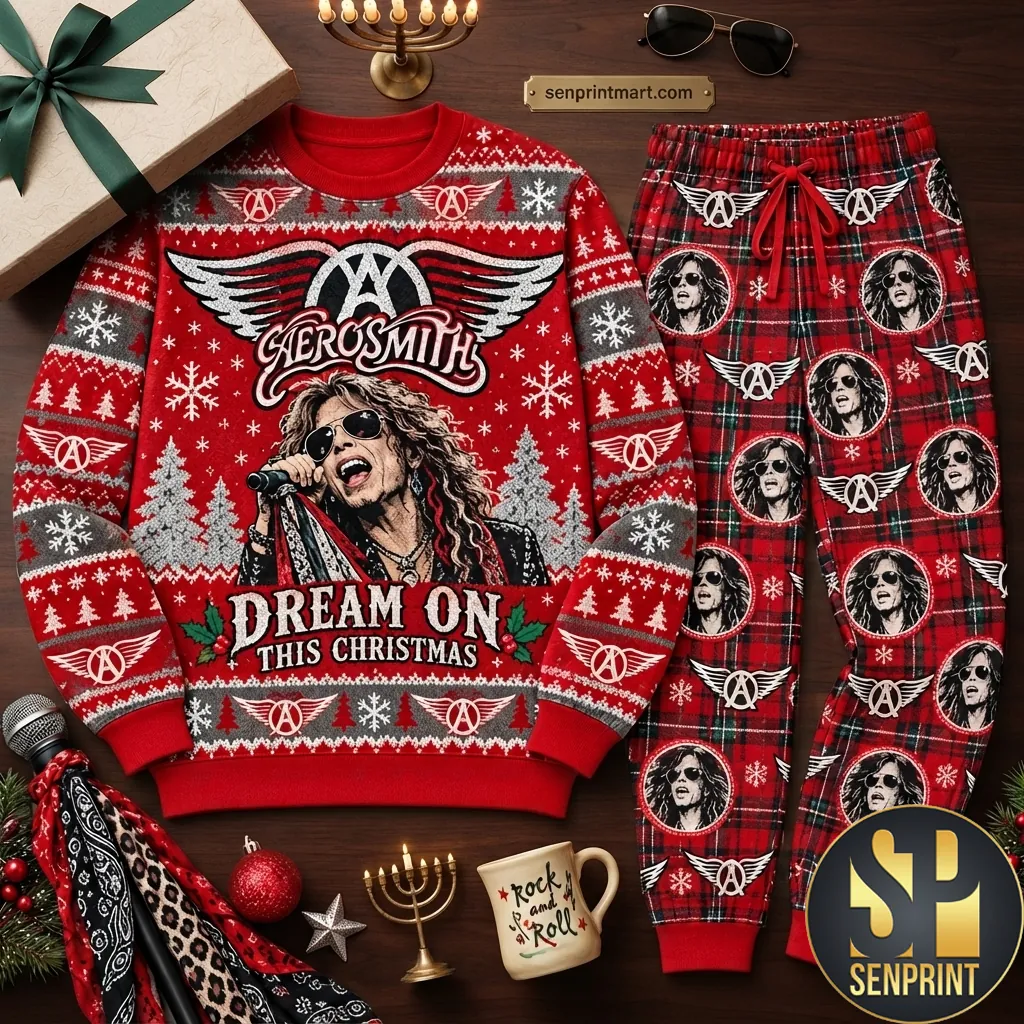
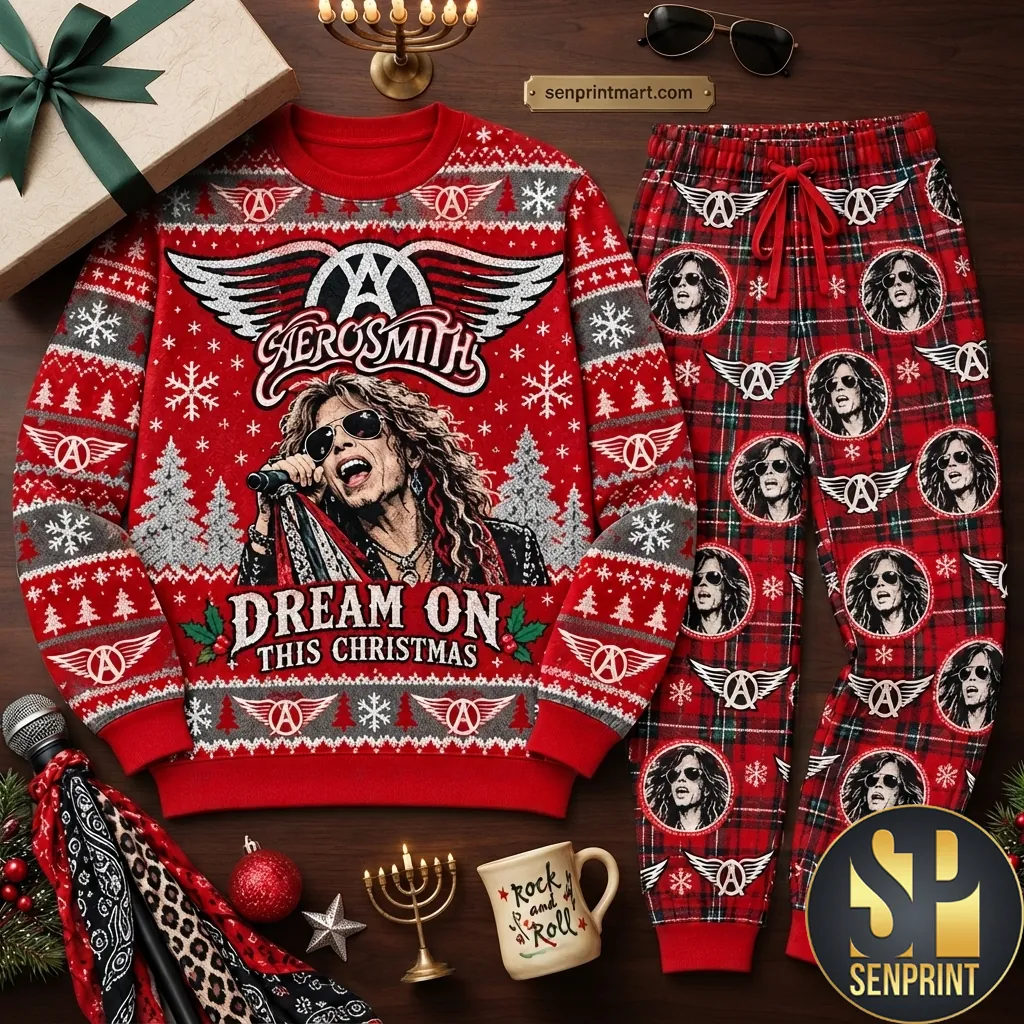
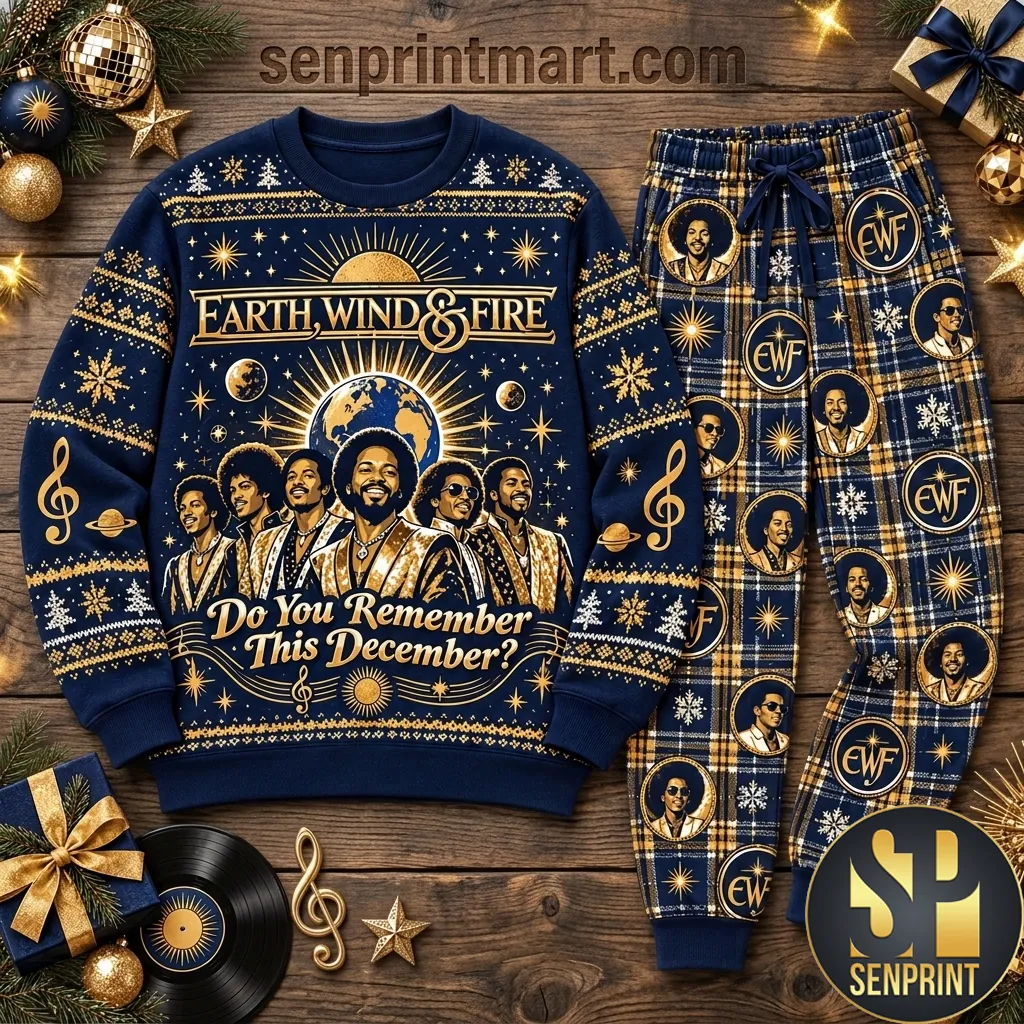
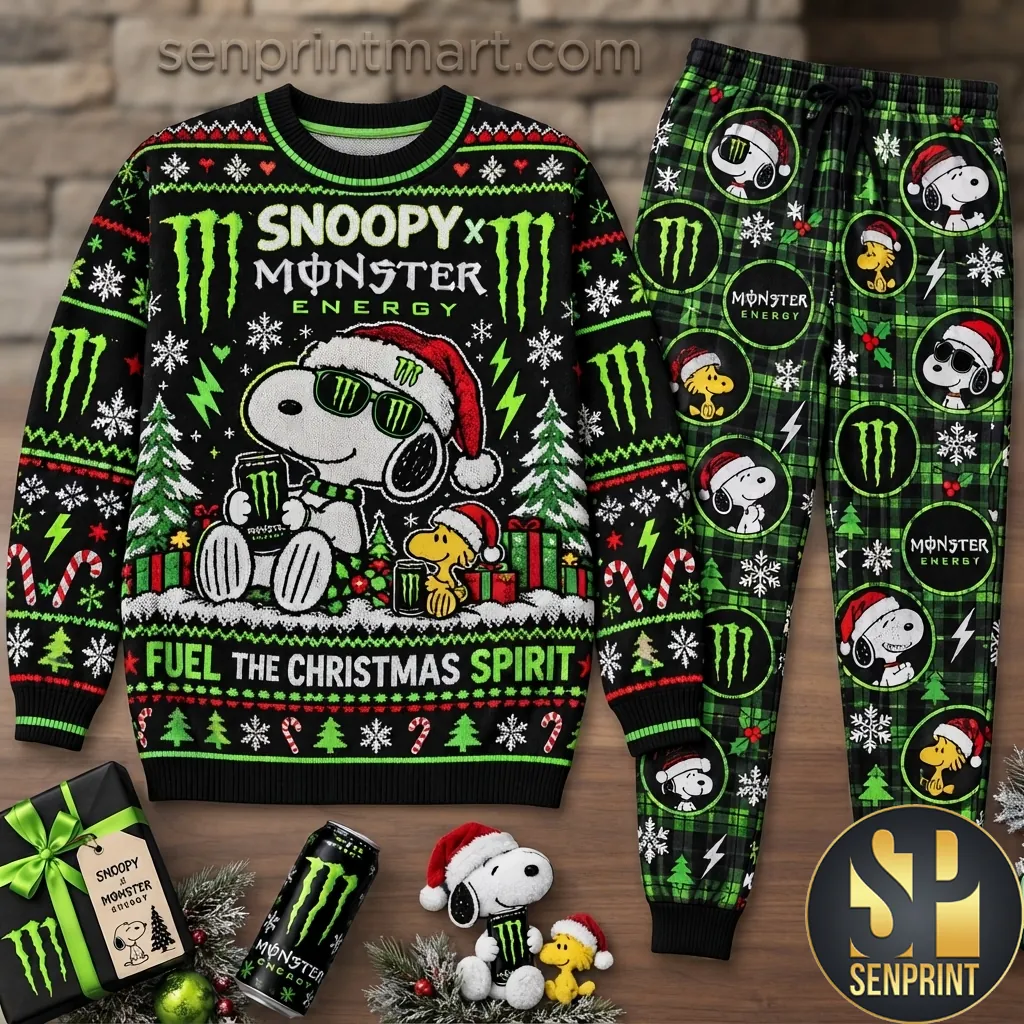
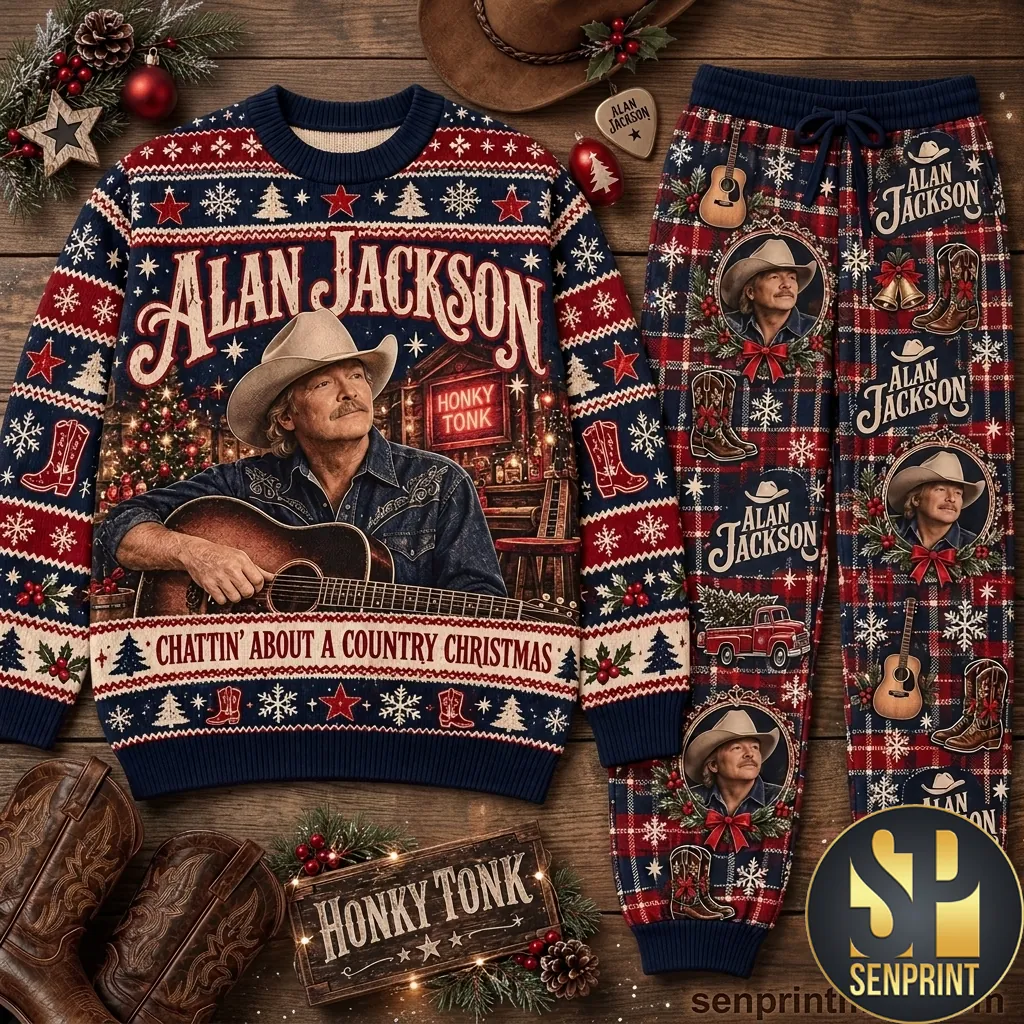
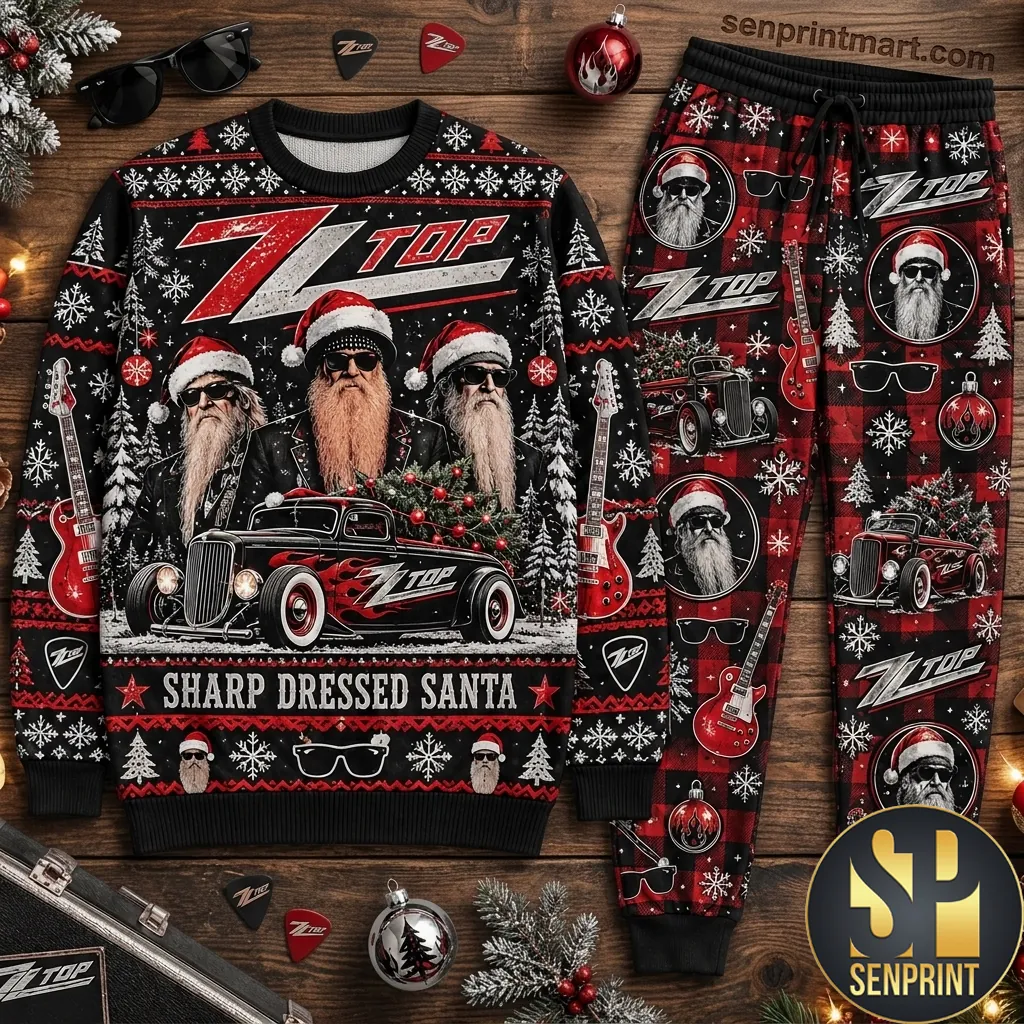
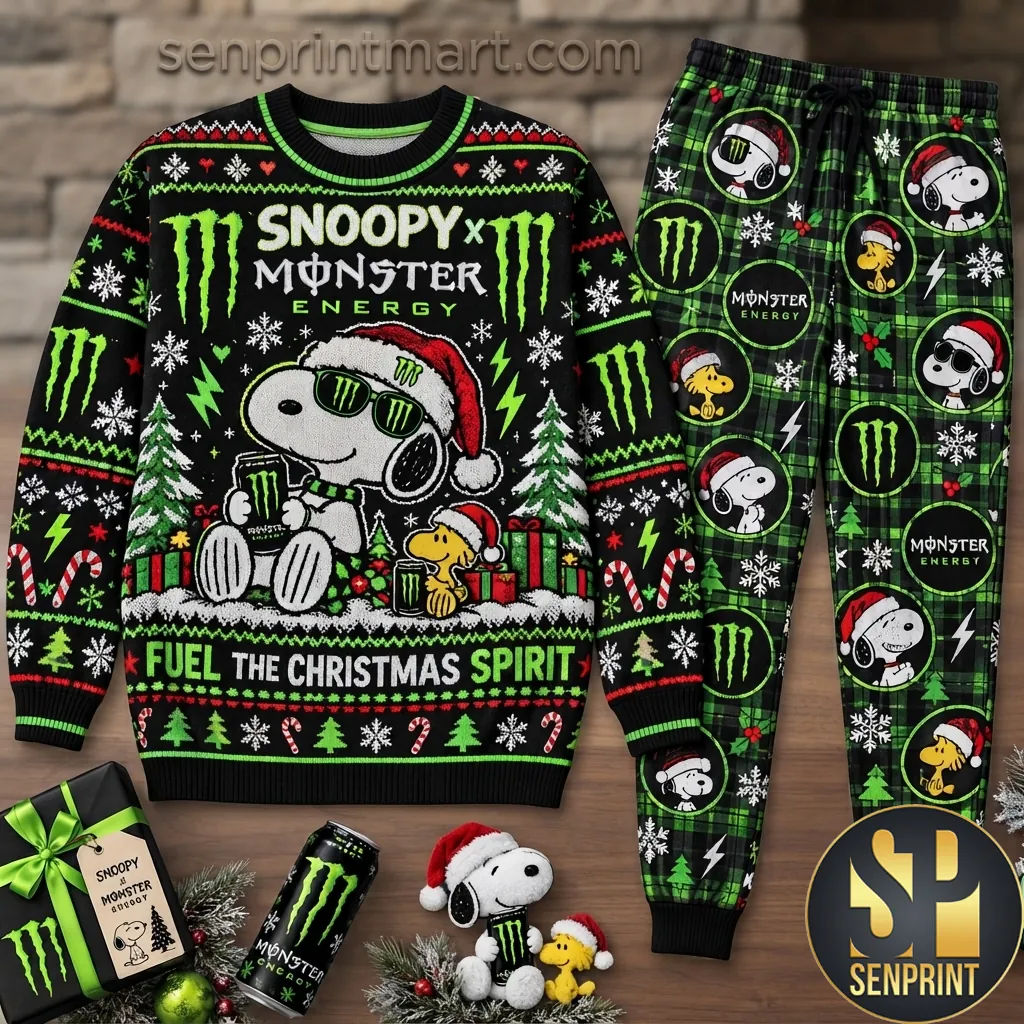
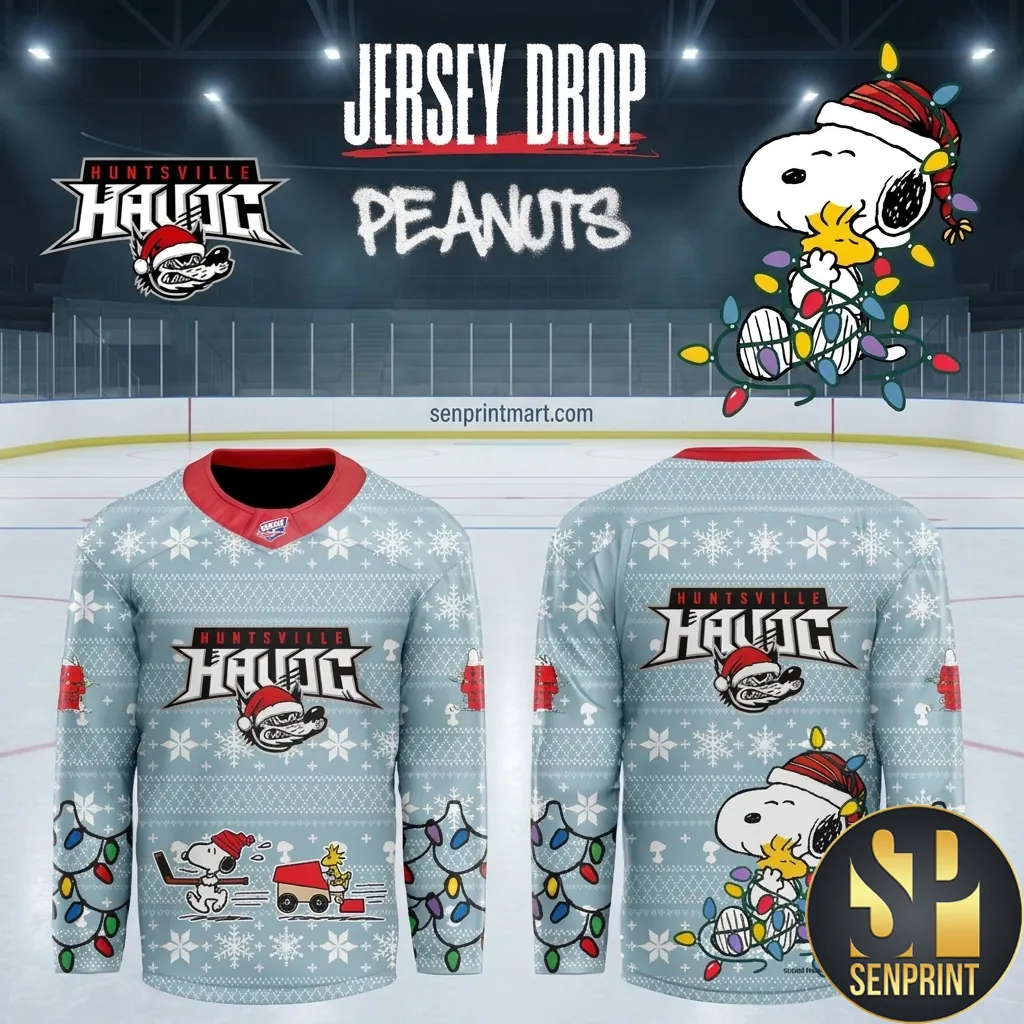
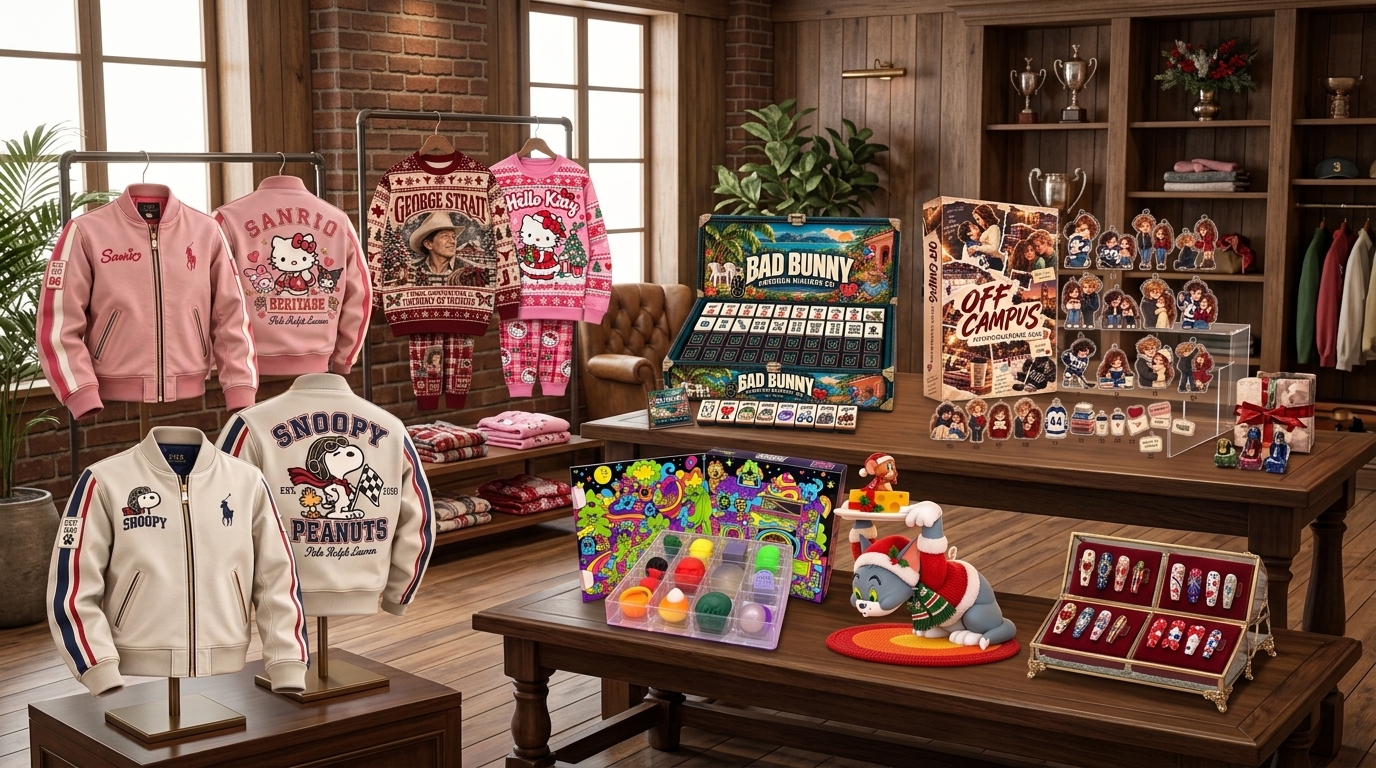
This shared cultural vocabulary is prominently displayed within holiday retail. A diverse spectrum of seasonal merchandise—ranging from music-themed festive sleepwear to animated character accessories—demonstrates how consumers personalize celebrations using established symbols. Snoopy-related items offer compelling comparative examples: a Snoopy Peanuts mahjong set, a Snoopy-themed Christmas pajama set, and a Peanuts Snoopy hockey jersey embed the character within vastly different contexts. While none of these form part of the Pentel stationery lineup, collectively they underscore the immense versatility one iconic cartoon canine commands across consumer goods.
Unlike corporate mascots engineered strictly for promotional branding, Snoopy originates from narrative roots where he effortlessly inhabits myriad personas. His propensity for elaborate daydreams was established long before commercial partnerships integrated him into decorative applications. This historical depth softens the transition across disparate retail formats. Even when stamped onto a ballpoint barrel, Snoopy easily evokes his classic persona atop his red doghouse, spinning imaginative tales entirely within his own rich inner world.
The Next Chapter for the Peanuts Franchise
The seasonal landscape will continue shifting rapidly in the wake of Halloween. A new animated holiday special, Snoopy Presents: 12 Days of Snoopy, is slated to debut on Apple TV on November 13, 2026. Furthermore, classic Charlie Brown Thanksgiving and Christmas specials remain anchors of the streaming platform’s holiday programming, complete with scheduled complimentary streaming weekends across November and December. While these broadcast initiatives operate independently of the stationery line, they clarify why late October serves as an optimal window for fresh Peanuts retail introductions.
While the forthcoming special introduces a fresh holiday narrative, legacy broadcasts preserve the comforting cadence of the franchise. Ample space exists for both traditions: veteran audiences revisit cherished childhood milestones without insisting that younger viewers engage with them through an identical lens. New merchandise achieves a parallel equilibrium by leveraging decades of accumulated goodwill while delivering a novel encounter with the characters—one initiated at a student’s desk rather than before a television screen.
For Pentel, the ultimate test remains straightforward. A character-branded writing instrument must maintain ergonomic comfort and reliable ink flow, just as a novelty eraser must perform basic corrective duties efficiently. While Peanuts imagery generates initial interest, enduring day-to-day functionality dictates long-term user satisfaction. For the intellectual property, the artistic inquiry is distinct: can minimalist illustrations retain a character’s distinct personality when compressed onto the limited canvas of a pen barrel? These designs wager that Snoopy and his companions remain vividly recognizable at virtually any scale.
This gamble succeeds thanks to extraordinary visual familiarity. The jagged stripe across Charlie Brown’s shirt, Snoopy’s iconic profile, and Woodstock’s diminutive silhouette communicate instantly without requiring elaborate contextual explanation. These graphics withstand rearrangement and miniaturization while evoking expansive narrative histories. Their efficacy on stationery depends precisely upon this minimalist compression; a handful of precise strokes instantly conjures childhood afternoons, autumn holiday traditions, and the poignant blend of optimism and wry resignation that defines the strip’s enduring emotional core.
Amid widespread industry focus on high-profile immersive experiences, the most telling aspect of this release may well be its modest scale. These products serve mundane functions that rarely constitute momentous events: inscribing a name on a greeting card, correcting a typographical error, or leaving a sticky note for a colleague. They avoid competing with high-production streaming specials or live entertainment, instead occupying the quiet hours between them. Consequently, this collaboration derives its significance less from grand spectacle than from the seamless harmony between a generational writing habit and a comic strip born from ink on paper.
Thus, the October 27–28 launch presents a charming inversion of the traditional trajectory for a legendary cartoon property. Having migrated from newsprint panels to television broadcasts, apparel, collectibles, and global retail markets, Peanuts returns full circle to the writing surface—not merely as an archival collectible, but as an object intended for active tactile engagement. Throughout his storied career, Snoopy has served as flying ace, novelist, and daring adventurer. This autumn, his newest role is refreshingly simple: accompanying everyday writers as they set their own words down on the page.
Full Product Collection
Explore the complete selection of designs featured in this collection.