Life Style
Hyrule Rebuilt: Ocarina of Time Launches on Switch 2 in Zelda’s 40th Year

Nov
A landmark adventure is playable anew as a rebuilt Hyrule tests the balance between preservation and change.
The November 5 release of The Legend of Zelda: Ocarina of Time as a comprehensive Nintendo Switch 2 remake places one of the medium’s most influential milestones squarely at the center of the autumn release calendar. Nintendo has reconstructed the iconic 1998 Nintendo 64 world from the ground up, substituting original assets with highly detailed environments, symphonic orchestral arrangements, expanded narrative sequences, and modern control mechanics while preserving the core geographical layout of Hyrule.
For veteran players, the launch revives a perennial dilemma: how extensively can a classic title be modernized before the nostalgic resonance of the original experience is altered? For new audiences, however, the offering represents an accessible entry point. A foundational work of 3D game design is now experienced natively on contemporary hardware, completely free from the technical constraints, camera limitations, and archaic control schemes characteristic of late-1990s consoles.
This timing coincides significantly with the franchise’s 40th anniversary in 2026, elevating Ocarina of Time beyond a standard catalog re-release. As the definitive narrative where youthful optimism collides with temporal displacement and a fractured world, the title’s central themes resonate strongly across generations. Nearly three decades after its initial launch, Nintendo has revisited this foundational premise with advanced technological capabilities.
Rebuilding an adventure without rewriting it
The remake remains faithful to the narrative spine established in 1998. Players guide Young Link, assisted by the fairy Navi, through an epic quest to thwart Ganondorf’s conspiracy to claim the Triforce. The journey bridges childhood and adulthood, casting familiar settlements and dungeons in hauntingly altered states when revisited years later in the timeline.
While the narrative architecture is preserved, the intimacy of exploration is radically enhanced. Settlements, sacred temples, and open fields have been completely remodeled rather than merely texture-filtered, introducing environmental depth and atmospheric detail. Characters who previously relied on restricted polygonal animations now inhabit expressive spaces that convey lore organically through ambient design, offering a distinct sensation where familiar pathways unfold with unexpected visual richness.
Gameplay mechanics receive vital modernization to eliminate historical friction. The implementation of right-stick camera control, fluid directional movement, and dedicated jump commands fundamentally alters how players traverse Hyrule, removing reliance on legacy automated-jump conventions and restrictive camera angles.
These enhancements naturally impact overall challenge levels. Improved responsiveness streamlines hazard navigation, and subtle layout refinements smooth out friction points well-remembered by returning veterans. Rather than stripping away the adventure’s identity, these adjustments separate genuine tactical difficulty from the hardware limitations of the past, addressing notorious bottlenecks like the Water Temple with measured structural balance.
Narrative presentation receives a similar editorial polish, integrating professional voice acting and expanded dialogue trees without altering Link’s foundational quest. The production prioritizes clarity and atmospheric immersion over radical story departures, striking a balance that will satisfy purists while inviting nuanced debate among critics.
Musical arrangement further highlights this careful equilibrium. Iconic melodic themes receive lush symphonic orchestration, maintaining their original motifs while gaining emotional depth. Furthermore, the integration of microphone-enabled ocarina performance allows players to hum familiar tunes directly into the Switch 2 hardware, blending nostalgic homage with novel interactive mechanics.
This innovative feature bridges historical play styles with contemporary hardware potential, grounding modern immersion in classic interactive rituals. While technologically ambitious, the design philosophy remains firmly rooted in traditional Zelda conventions.
Forty years of Zelda, concentrated in one return
Debuting in 1998 twelve years after the series’ 8-bit inception, the original Ocarina of Time successfully transitioned exploration, combat, and puzzle-solving into three dimensions, establishing industry blueprints that subsequent generations followed. This historical weight explains why the remake demands rigorous scrutiny: it revisits not merely a standalone game, but the architectural foundation of modern 3D adventure design.
The narrative’s exploration of time adds contemporary resonance, contrasting the boundless potential of childhood with the sobering consequences of adult responsibility. Revisiting this landscape in 2026 offers players a reflective lens through which to measure personal growth against a familiar virtual world.
Crucially, the release also addresses contemporary players nurtured on expansive modern iterations like Breath of the Wild and Tears of the Kingdom. While modern open-world titles champion boundless exploration, Ocarina of Time provides a tightly paced, structured narrative progression where individual dungeons and items drive a carefully orchestrated journey.
This contrast highlights the evolution of game design, allowing modern audiences to appreciate masterclass dungeon pacing while experiencing a tightly woven historical milestone. Critical reception has generally praised these improvements, though debates persist regarding whether a more daring narrative overhaul should have been attempted or if the exclusion of a tougher Master Quest mode leaves veterans wanting.
Such discussions underscore the inherent challenge of remastering legendary intellectual property: satisfying nostalgic expectations while remaining welcoming to contemporary players. The Switch 2 edition captures this exact tension.
The broader 40th-anniversary campaign reinforces the launch’s flagship status. A dedicated Zelda-themed Switch 2 console collection debuted on October 29, accompanied by collector’s edition physical packaging and digital wallpaper rewards for early purchasers through November 23, framing the release as a major cultural event.
Furthermore, video games have matured into historical artifacts capable of defining generational memories. Restoring these virtual spaces makes pioneering game design legible to new players while validating the formative experiences of original fans, provided preservation avoids becoming mere stagnation.
What Hyrule’s second arrival makes possible
For players embarking on this journey, the core experience remains an immersive, intricately plotted quest through time. The transition from peaceful childhood sanctuaries to a fractured future retains its narrative power, supported by modernized visuals that invite unhurried exploration.
To assist navigation without disrupting immersion, the Nintendo Switch App integrates expanded ZELDA NOTES features, offering progress logs, image-based location challenges, a virtual ocarina, and a daily trivia database exceeding 2,000 questions. These optional tools let players choose between independent discovery and guided assistance.
Anniversary celebrations will extend well into 2027, featuring regional symphonic concert tours, new amiibo figures, and an anticipated live-action film adaptation premiering on April 30, 2027. Amidst these multimedia extensions, the software remake remains the definitive core experience.
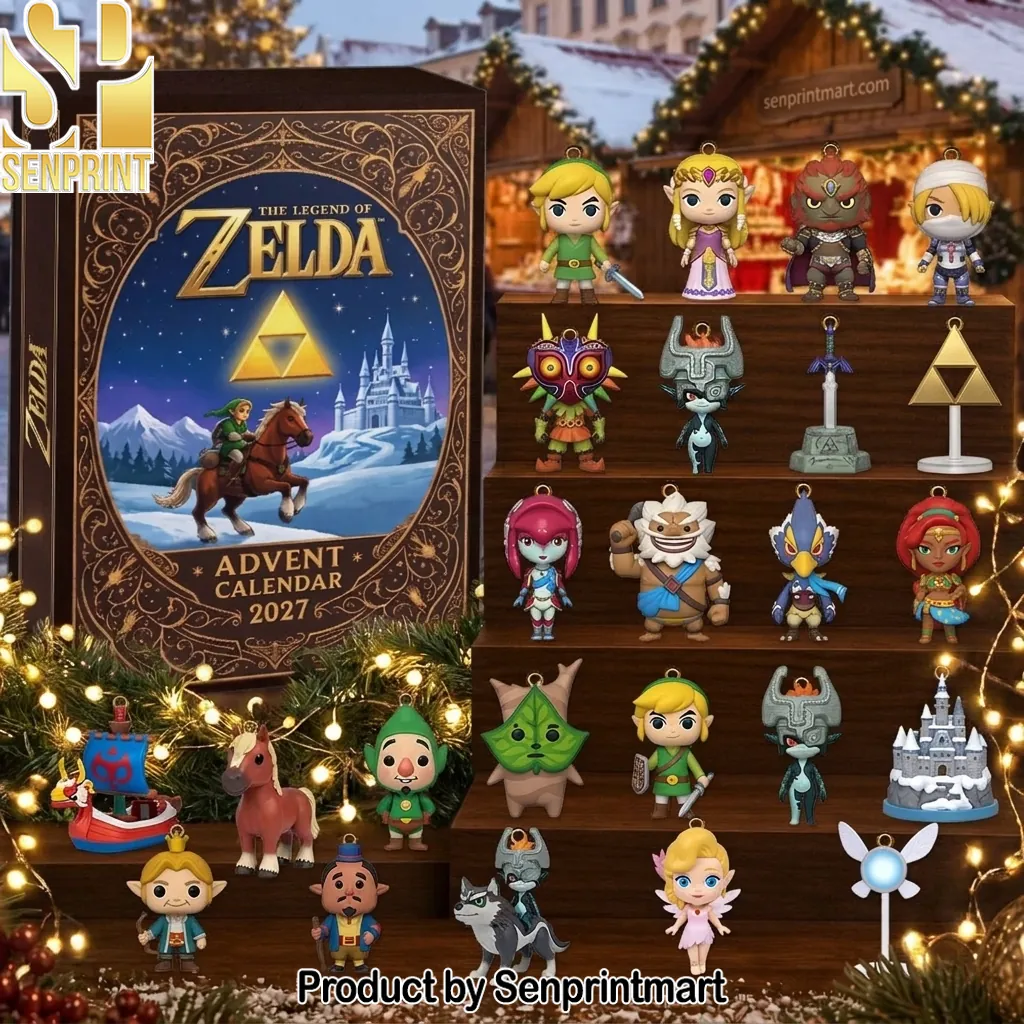
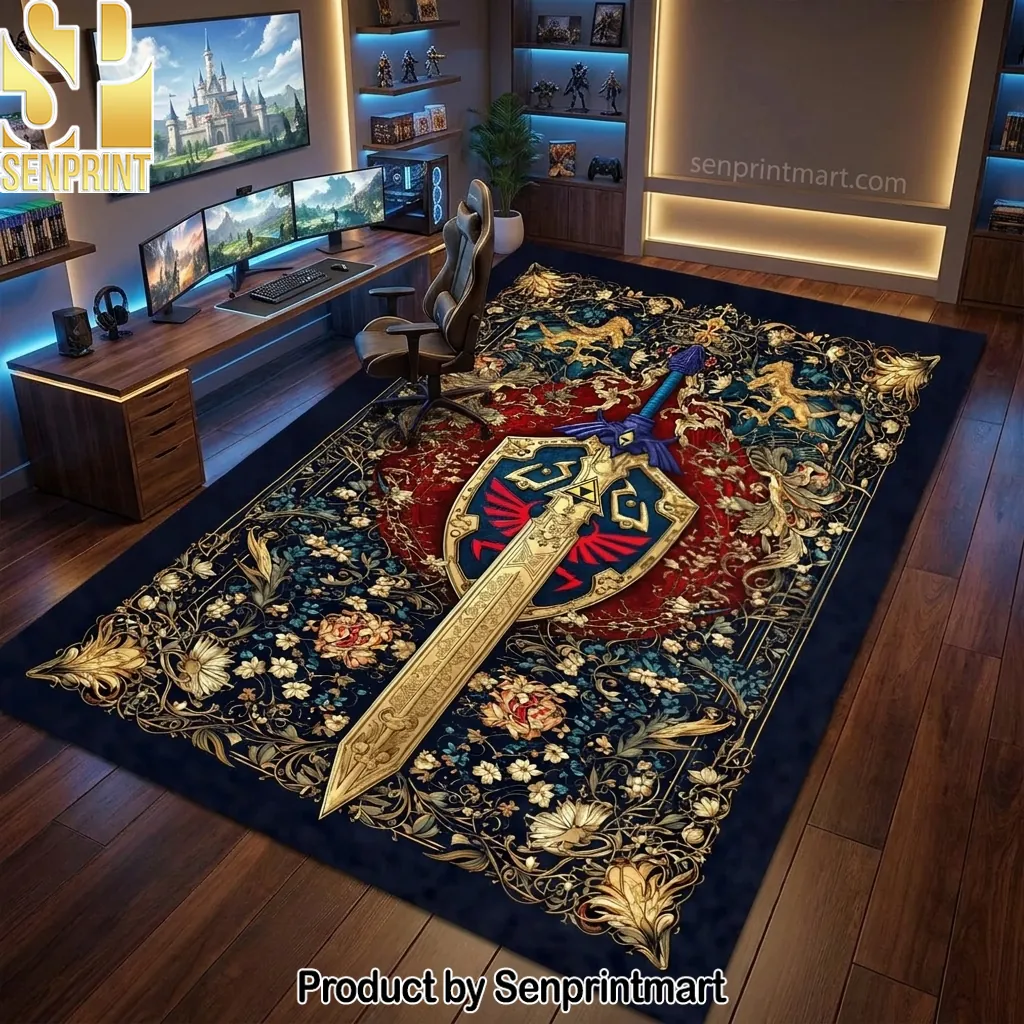
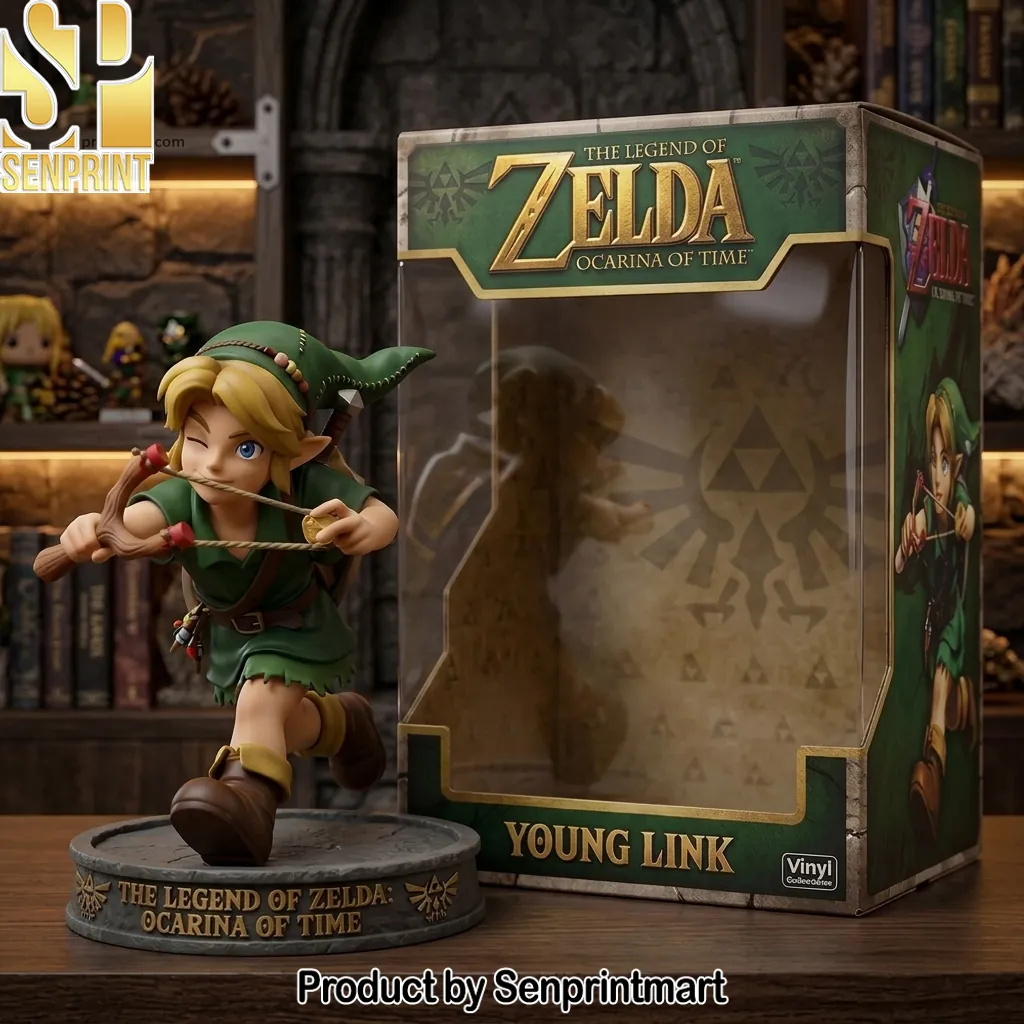
The enduring cultural footprint of the franchise is also reflected in related fan collections and merchandise, including commemorative vinyl figures, gaming rugs, and seasonal advent calendars, illustrating how Zelda imagery permeates everyday life independently of corporate release schedules.
Ultimately, the significance of this November launch transcends technical benchmarks or promotional tie-ins. When players hear familiar melodies echoing across redesigned landscapes, the true value of the remake reveals itself—proving that great adventures acquire new meaning when revisited across changing eras.
Explore the Fan Collection
From fantasy-game keepsakes to holiday décor, music collectibles and team-inspired designs, browse the full selection featured alongside this story.