Life Style
Fortnite Unleashes Kado’s Curse, Transforming Nitemare Island Into a High-Stakes Pursuit

Oct
The October 8 launch of Nitemare Island: Kado’s Curse redefines Fortnite Reload with high-stakes pursuit mechanics, Siphon weaponry, and a competitive ranked reset.
Fortnite infused its seasonal Halloween event with heightened peril on October 8 with the debut of Nitemare Island: Kado’s Curse in Reload, introducing a fresh competitive chapter, restorative weaponry, and a targeted tracking mechanic that turns participants into mutual prey. While the environment wears seasonal aesthetics, the fundamental gameplay shift alters core match dynamics: survival on the island increasingly depends on hunting down adversaries before they turn their sights on you.
Introducing a new match modifier dubbed The Hunt, the update instills combat with objectives extending well beyond standard eliminations. Overseen by Kado Thorne, the island’s central authority figure, the system designates specific targets via a Mark assignment. Participants receive geographical clues regarding their quarry’s location, with successful eliminations yielding tangible rewards. As subsequent storm circles contract, target parameters shift, transforming routine map rotations into complex tactical calculations of whether to pursue, evade, or press forward.
This mechanical evolution elevates the October update far beyond standard cosmetic rollouts. While Fortnite has a rich history of integrating popular fantasy and horror icons, the Nitemare Island expansion immerses competitors directly into an active horror narrative rather than superficial roleplay. Against the backdrop of Reload’s brisk combat pacing, a haunting environment, and tactical incentives that simultaneously expose hunters to counterattacks, the update delivers a compelling seasonal gameplay loop with genuine competitive ramifications.
Establishing the Rules of Engagement on Nitemare Island
Nitemare Island transcends a transient seasonal reskin, returning under the Kado’s Curse theme with revamped points of interest, novel landmarks, and an active in-game presence for Kado Thorne himself. Competitors can confront him directly at Terror Turrets, where environmental storytelling intersects with core match mechanics. While dramatic monikers are easily overlooked, an interactive NPC capable of altering tactical positioning demands immediate attention.
Even when inactive, the mere possibility of The Hunt fundamentally alters the psychological tension of lulls between firefights. Knowing a designated target operates nearby forces pursuers to weigh the value of an uncertain trail. Concurrently, marked participants must balance their pursuit status against standard survival pressures: scavenging equipment, maintaining position within safe zones, and managing opportunistic third-party threats.
Operating on imperfect information, the modifier rewards spatial interpretation alongside raw marksmanship, as approximate location clues replace pinpoint tracking. Successful target eliminations amplify incentive rewards, while shifting assignments with each storm boundary prevent matches from degenerating into isolated duels. The resulting dynamic is a fluid pursuit punctuated by tactical errors, interruptions, and dramatic momentum swings rather than a linear race toward a static objective.
Complementing the tracking mechanics is the Siphon weaponry suite, anchoring Nitemare Island’s aggressive combat identity. Specialized firearms including Kado’s Siphon Deadeye Assault Rifle, Siphon Gatekeeper Shotgun, and Siphon Monarch Pistol replenish user health proportional to damage inflicted. This restorative capability incentivizes proactive engagement, frequently compelling players to embrace calculated risks when defensive caution might otherwise prevail, thereby harmonizing offensive aggression with self-preservation.
In a fast-paced environment where momentum dictates survival, this dynamic carries significant weight. Initiating an engagement can yield vital restorative health for subsequent skirmishes, yet aggressive pushes carry inherent failure risks before payoffs materialize. Consequently, weapon utility depends heavily on spatial positioning, timing, and closing speed. Beneath the atmospheric horror styling lies a pragmatic design philosophy: injecting fresh uncertainty into the perpetual dilemma of whether to engage or disengage.
Terrain evolution across Nitemare Island directly influences pursuit success, as structural corners, elevated vantage points, buildings, and fractured sightlines dictate evasion and interception rates. The modified landscape offers no guaranteed ambushes or safe escapes; instead, it reframes standard movement mechanics within a theater engineered to sustain constant peril between pivotal firefights.
Debuting as a comprehensive Reload competitive season rather than a superficial map swap, the update introduces a competitive rank reset alongside exclusive Elite Kado Thorne rewards and Halloween-themed Map Mastery quests. This structure provides long-term incentives for revisiting the playlist. While casual participants may view the tracking mechanics as an engaging diversion, dedicated grinders will find robust progression pathways driving their return to the island.
Integrating Horror Mechanics Beyond Cosmetic Appeal
The expansive Fortnitemares cultural festival provides a fitting backdrop. Prior to the October 8 Reload overhaul, seasonal content had already permeated other Fortnite modes via themed weaponry, supernatural abilities, and iconic guest figures. Notable crossover presences—such as Freddy Krueger in Nightmare Neighborhood and nods to Five Nights at Freddy’s animatronics—exemplify a broader design philosophy: embedding psychological tension directly into core player actions rather than relying solely on visual spectacle.
Contrasting cinematic encounters with interactive multiplayer spaces highlights this shift. While films dictate narrative pacing and monster appearances unilaterally, competitive titles distribute agency among participants, requiring transparent rules coupled with disruptive, dynamic events. Kado’s Curse embraces this interactive tension by implementing structured tracking and reward loops rather than leaning exclusively on ambient darkness, atmospheric scoring, or jump scares.
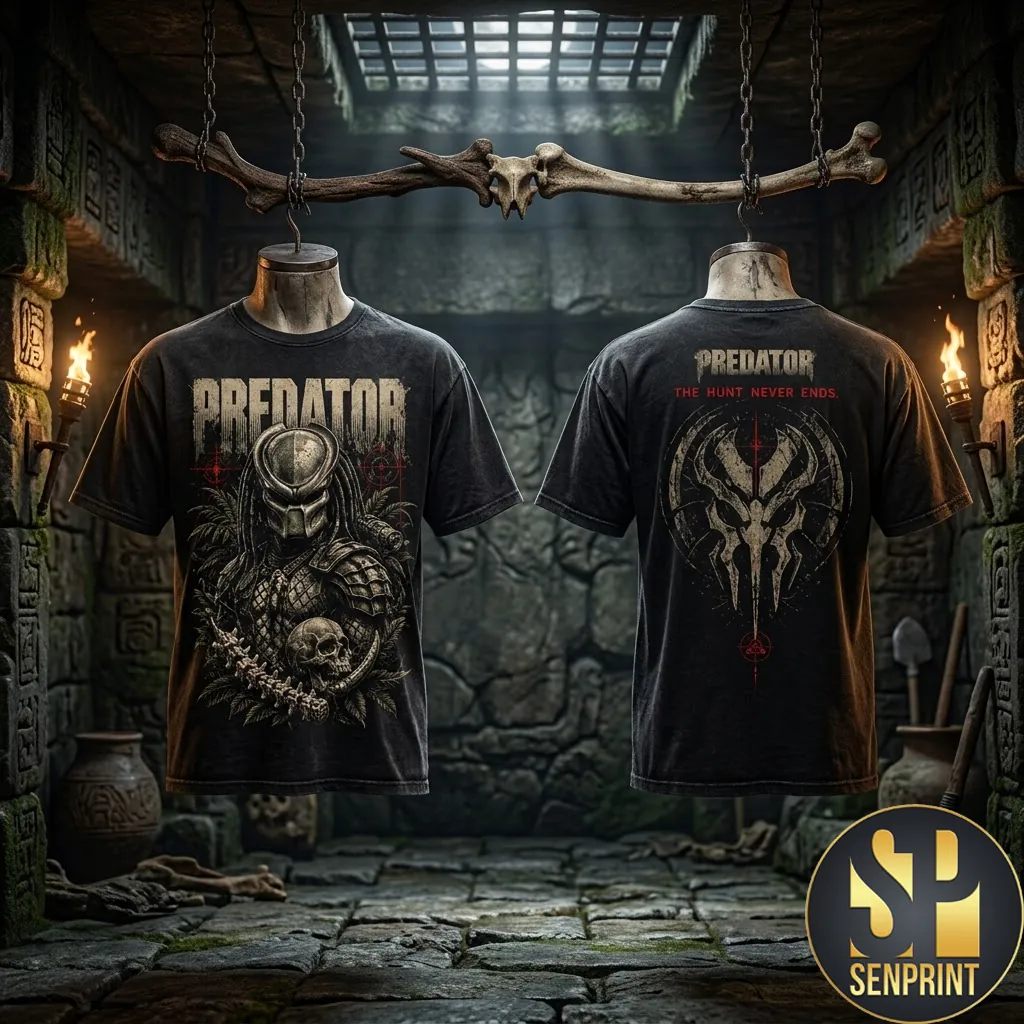
This thematic focus aligns naturally with the October calendar, a period when cinematic icons pervade mainstream consciousness. Legendary figures such as Freddy Krueger, Michael Myers, Jason Voorhees, and the Predator explore a unified narrative premise: the relentless mechanics of pursuit once a predator selects its quarry. Fortnite’s tracking framework translates this timeless archetype into competitive gameplay dynamics, independent of whether specific characters feature directly in the current patch.
This distinction holds true for franchises like Predator. While associated with October promotional roadmaps, promotional schedules do not dictate immediate in-game availability dates. Regardless, thematic ties transcend specific release timelines. Narrative frameworks centered on tracking, stealth, and survival mirror the core gameplay loop established by the new Reload season, enabling general competitors to experience asymmetric pursuit mechanics firsthand.
Cross-media collaborations serve primarily as an initial hook, but sustained player retention hinges on core mechanical depth. On Nitemare Island, success depends on tactical intuition, resource management, and calculated engagement choices. While horror aesthetics provide the atmospheric framework, the tracking mechanics supply the vital competitive tension.
Reintroduced seasonal gear—including the Pumpkin Launcher and Woodstake Shotgun—enhances the theatrical atmosphere while remaining integrated into standard competitive weapon pools. Atmospheric audio cues and iconic props establish mood, but tactical weapon matchups dictate survival outcomes. This functional interactivity distinguishes a sophisticated live-service update from a static digital haunted house.
This balance explains the event’s broad appeal across disparate demographic groups. Tactical combat enthusiasts may have minimal familiarity with cinematic horror histories, just as horror buffs might ignore competitive playlist ladders. The October 8 deployment bridges these communities through a shared gameplay loop: the visceral sensation of pursuit governed by masterable competitive rules.
Navigating the Long-Term Meta Beyond the Initial Chase
An auspicious launch week does not dictate the long-term meta of an entire season. Due to Reload’s map rotation system, Nitemare Island functions as part of a dynamic playlist pool rather than a permanent fixture. This rotation fosters gameplay variety while requiring competitors to master specialized landmarks, weapon balancing, and pursuit tactics on demand, embedding environmental adaptability into the seasonal rhythm.
For competitive participants, the seasonal refresh introduces immediate stakes. Navigating a fresh ranked ladder requires proving oneself anew, with Elite Kado Thorne cosmetic milestones and the exclusive Unreal-rank Axe rewarding sustained progression. While competitive incentives do not guarantee universal endorsement of the tracking mechanics, they imbue standard matches with objectives extending far beyond individual skirmishes.
For casual participants, appeal stems from moments of emergent chaos where the environment appears to target the player directly. Receiving a target assignment introduces peril to routine paths, while Siphon weaponry encourages aggressive defensive stands. Encounters with Kado Thorne force rapid tactical pivots. The system succeeds not by enforcing scripted horror scenarios, but by disrupting established match routines organically.
Naturally, this design philosophy invites critique. Competitors favoring predictable combat pacing may resist mechanics that disrupt calculated rotations, while enthusiasts of the pursuit system might desire higher frequency during map rotations. Such friction represents an inherent trade-off in systems engineered around tactical uncertainty. Ultimately, success is measured not by universal consensus, but by whether introduced variables foster engaging, repeatable decisions.
Scheduled to run through November 1, Fortnitemares extends seasonal engagement well beyond a transient launch window. Broader promotional plans promise additional character releases through October, supported by structured seasonal progression milestones. While specific cosmetic rollouts depend on verified patch notes, the fundamental shift occurred decisively on October 8: the island transformed, fundamentally rewriting the rules of engagement.
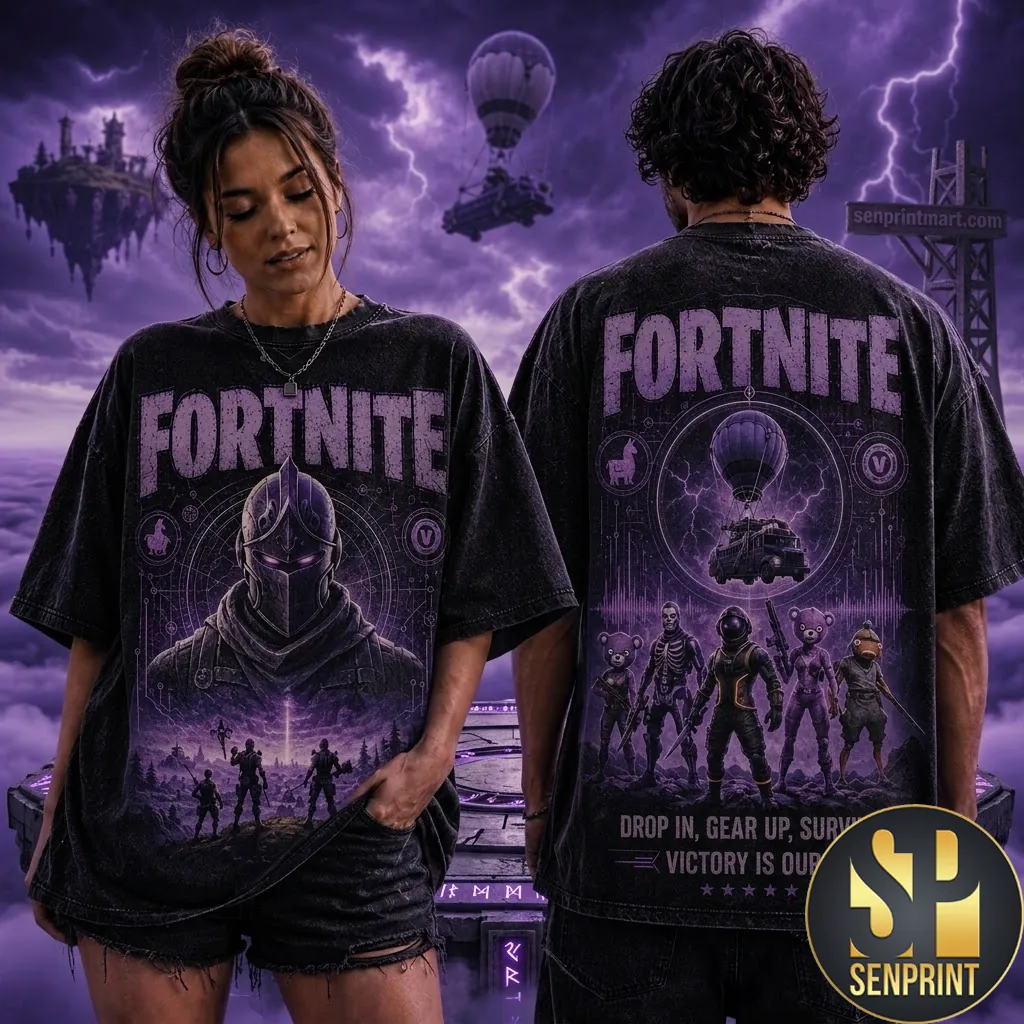
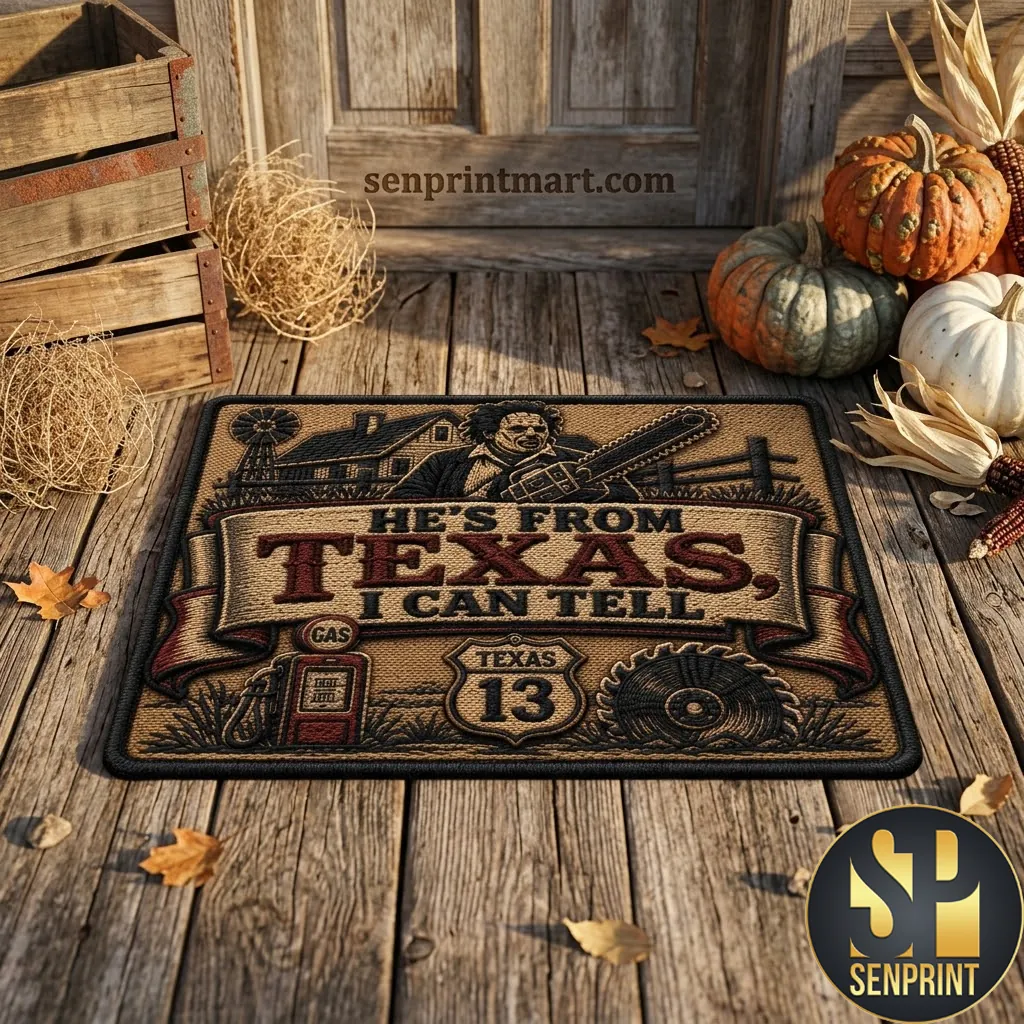
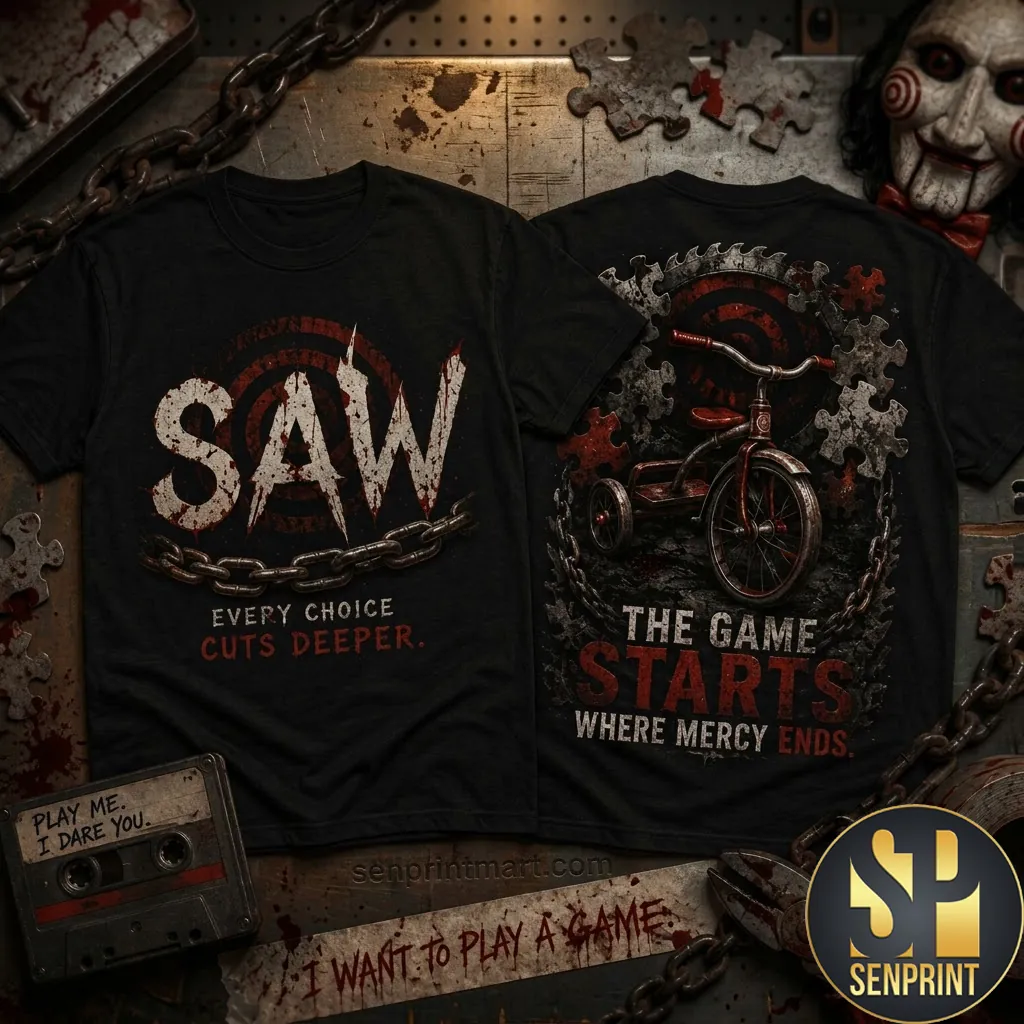
Beyond digital screens, the synergy between gaming culture and classic horror finds expression in fan apparel and collectibles. Survival-themed gaming merchandise shares clear thematic ground with cinematic predator apparel, just as footwear or graphic tees dedicated to slasher icons explore shared visual lexicons of peril and pursuit. These items represent organic expressions of pop-culture fandom rather than literal indicators of in-game character rosters.
This broader cultural resonance underscores the enduring impact of seasonal game updates. Horror transcends traditional cinematic mediums, just as interactive gaming generates suspense independently of direct film adaptations. Across apparel, collectibles, and virtual worlds, enthusiasts engage with atmospheric dread through distinct formats. Fortnite’s latest iteration distinguishes itself by introducing tangible competitive consequence: roles remain fluid, targets retain defensive agency, and survival hinges on real-time tactical execution.
The defining image of this Fortnitemares update is not promotional storefront imagery, but a competitor deploying onto Nitemare Island uncertain whether the impending storm surge will deliver optimal gear, an assigned target, or an unseen pursuer already closing distance. Seasonal decorations will eventually vanish; the enduring legacy of Kado’s Curse will be whether inter-player hunting establishes a sustainable layer of suspense capable of enduring long after the seasonal specters depart.
Full Product Collection
Explore the extensive selection of apparel, collectibles, sports memorabilia, and seasonal merchandise from the current catalog.