Life Style
Dolly Parton’s Final Studio Recording Arrives on U2’s ‘Torn,’ Turning a Duet Into a Farewell
Nov
Dolly Parton’s voice returned to new music on November 13, nearly three months after her death, in a duet with U2 frontman Bono that was never envisioned as a farewell. “Torn,” the closing track on the Irish rock band’s new studio album, Carnaval De Luz, captures the final vocal performance Parton ever recorded, turning an unexpected pairing of country and rock into a poignant final chapter in her musical legacy.
The track first reached radio in a country arrangement on November 12 before debuting more broadly the following day alongside U2’s sixteenth studio album. Rather than being assembled from archival tape or revisiting an older hit for a posthumous tribute, the recording dates to June 2026, when Parton laid down her vocals in Nashville, co-wrote on the song and heard the collaboration take shape during her lifetime. That history gives “Torn” a distinct weight: it stands as one final document of Parton actively creating new work.
The song’s subject matter deepens the impact of those studio origins. “Torn” examines family bonds strained by competing beliefs and loyalties—people tied together by shared roots or a common roof who struggle to remain close. Placing that tension inside a duet allows two contrasting voices to inhabit the same unresolved fracture. Rather than offering a neat resolution, the track lingers on the ache that makes reconciliation necessary in the first place.
Parton died on August 25 at age 80. When she and Bono recorded the duet earlier that summer, neither the public nor the musicians involved could have foreseen the role the song would ultimately assume in her catalog. Arriving in November at the threshold of the holiday season, the release invites audiences to hear an unmistakable voice in unfamiliar musical company while confronting the reality that no new studio recordings will follow.
Two Distinct Musical Worlds Meet on Common Ground
On paper, the pairing might appear built on stark contrast. Parton spent decades defining an expansive American country tradition, while Bono’s voice has anchored U2’s arena-scale rock through generations of reinvention. Yet both performers have long understood that intimate storytelling can travel far beyond its native genre. Those differing backgrounds do not clash on “Torn”; instead, they supply its dramatic tension, framing two singers approaching emotional division from separate vantage points and meeting through the shared act of song.
Parton, U2 and songwriter Johnny McDaid share writing credits on the track. Producer Jacknife Lee guided the studio sessions, while Daniel Lanois added pedal steel, lending a distinctly country resonance to an expansive rock arrangement. Those creative choices underscore that the duet was built from the ground up rather than stitched together merely to pair two marquee names, placing the guest vocal at the structural heart of the composition.
Before the album’s wider arrival, the country-leaning Kent Wells version reached radio on November 12. Wells, a longtime collaborator of Parton’s, foregrounds the song’s traditional country contours in that mix. On Carnaval De Luz, the album arrangement leans into broader, atmospheric production around the two voices, while an additional interpretation by T Bone Burnett offers a third perspective on the same song without altering its core identity.
Taken together, the three versions illustrate how production choices can shift a listener’s reading of the material. A pedal-steel line frames estrangement as private sorrow, whereas a wider sonic backdrop gives the same lyric a communal resonance. No single version needs to claim superiority; Parton’s vocal remains the emotional anchor throughout, while the varying arrangements open the song to audiences arriving from very different musical traditions.
That context also gives “Torn” an unusual function as an album closer. Final tracks typically gather an album’s overarching themes and leave a lingering impression once the music fades. On Carnaval De Luz, “Torn” carries an added gravity, concluding a collection of new songs with a voice listeners now know cannot return for another newly recorded collaboration. As a result, the album’s ending feels shaped less by studio sequencing than by events beyond it.
Evaluating the Weight of a Final Studio Performance
Posthumous releases often risk reducing an artist’s life’s work to the circumstances surrounding a single track. Parton’s career extended far beyond “Torn,” spanning songwriting, live performance, television, film, business ventures and a rare cultural reach across divided audiences. One newly issued recording cannot encapsulate that breadth, nor does it need to; its significance lies in capturing a working musician still eager to test new collaborations and fresh narrative forms.
Moving across stylistic boundaries was never a departure for Parton. She could deliver a character study with plainspoken precision, command a theatrical stage spectacle and bring conversational intimacy to a sweeping ballad. Those instincts serve a duet about household division particularly well. Rather than treating the session as a ceremonial farewell, she stays faithful to the characters and conflict inside the lyric—a restraint that resonates more deeply than any manufactured tribute.
Bono’s presence brings an additional layer of meaning. Throughout U2’s catalog, questions of faith, conscience and moral friction have often been cast on a public canvas. “Torn” redirects that sensibility inward toward domestic life, where ideological divides can be hardest to untangle from love and loyalty. A lyric about fracture applies just as naturally to an argument across a kitchen table as to a rift within a wider community, and the song gains its force by allowing both readings to coexist.
The release also highlights an important distinction often blurred when music arrives after an artist’s passing: the difference between a finished collaboration and an archival fragment assembled posthumously. Parton tracked her vocals in June and helped write the song specifically for a new U2 album, rather than leaving behind an unfinished sketch requiring context after her death. That clarity allows listeners to engage with the recording as a deliberate artistic choice rather than solely a memorial artifact.
Even so, audiences will inevitably hear the track through the lens of remembrance, and the two responses reinforce each other. The sound of a familiar voice after death can immediately summon personal history—for longtime listeners, recalling concerts, family gatherings or older records woven into daily life. For rock audiences encountering Parton through U2’s album, “Torn” may instead serve as an entry point into the vast catalog behind the performance.
A Landmark U2 Release Gains an Unforeseen Closing Note
For U2, the duet arrives on a milestone project of its own. Carnaval De Luz marks the band’s sixteenth studio album and its first collection of new material in nine years, arriving in a year that also commemorates five decades since the group formed. Even without Parton’s appearance, the record would stand as a major release in a career defined by landmark public moments and periodic reinvention.
Placing “Torn” at the end of the tracklist, however, reshapes how the album is experienced. Rather than functioning as a standalone promotional single, the duet follows a full sequence of songs that establish the record’s musical and thematic terrain, delivering the final emotional note as country inflections cut across U2’s familiar sonic palette. The sequencing creates a compelling artistic arc, even as the real-world circumstances behind it remain somber.
Its dual rollout further broadens how listeners encounter the song. While the album mix situates the duet inside U2’s broader statement, the country-radio premiere introduced a tailored arrangement to audiences who have followed Parton for decades. That approach respects both traditions, allowing country and rock listeners alike to meet the song on familiar ground without needing to cross genre lines first.
Such openness suits a song whose central concern transcends musical style. “Torn” asks how people sustain affection when shared roots no longer guarantee shared convictions. In an era when public disputes frequently turn family disagreement into a test of allegiance, the lyric refuses the easy comfort that every rift can be healed within a single chorus. Its warmth sits beside unresolved tension, giving the collaboration resonance for two veteran acts with distinct followings.
Assessing the release requires no speculative commercial forecasts or unverified claims of chart dominance. Its significance rests on clear facts: a November 12 radio debut, a November 13 album release, an original co-written composition and Parton’s final recorded vocal. Whatever meaning listeners draw from those elements is likely to outlast any initial wave of attention.
What ‘Torn’ Leaves Behind for Audiences
Arriving in mid-November, the release also intersects with a familiar moment on the cultural calendar. As households prepare for holiday travel, reunions and gift exchanges, songs centered on home and kinship naturally take on added resonance. “Torn” is not a holiday song and should not be framed as one, yet its portrait of affection under strain speaks directly to a season when relatives separated by distance or outlook gather under the same roof.
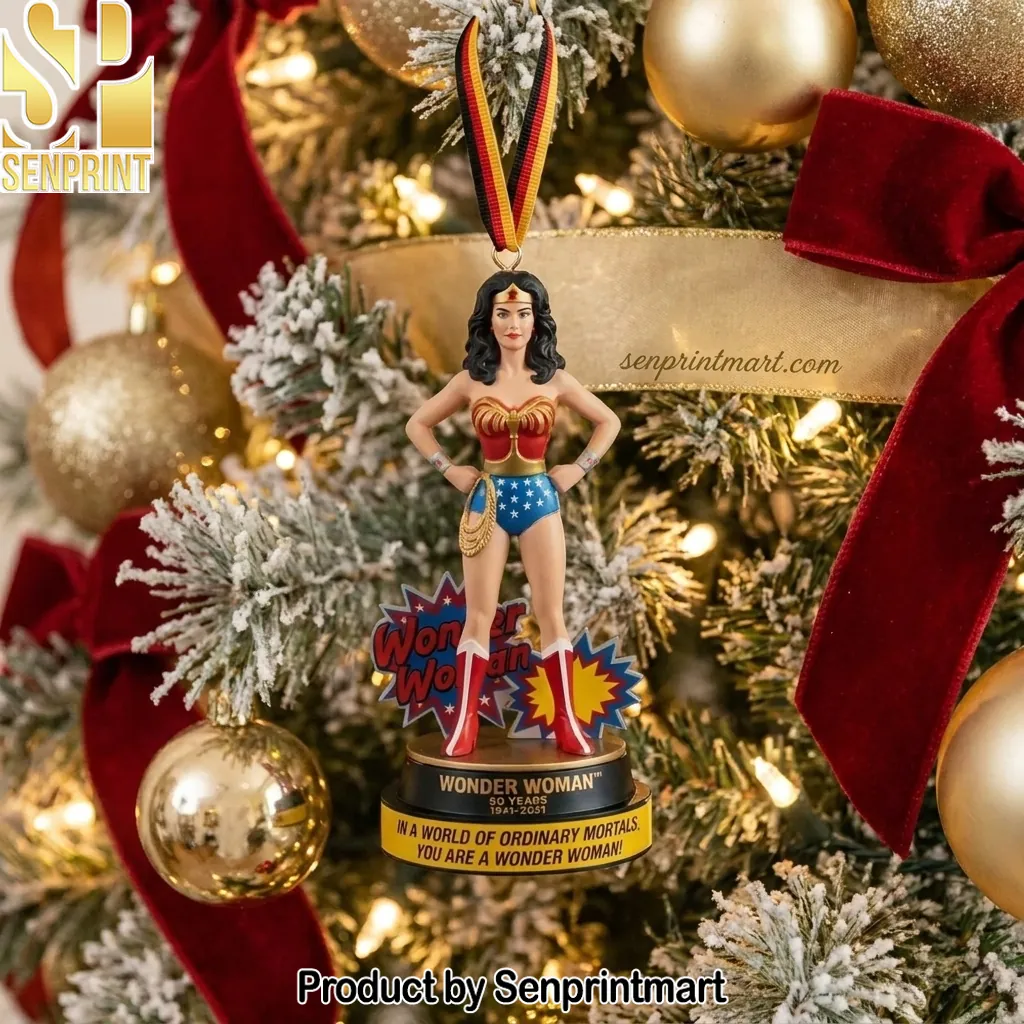
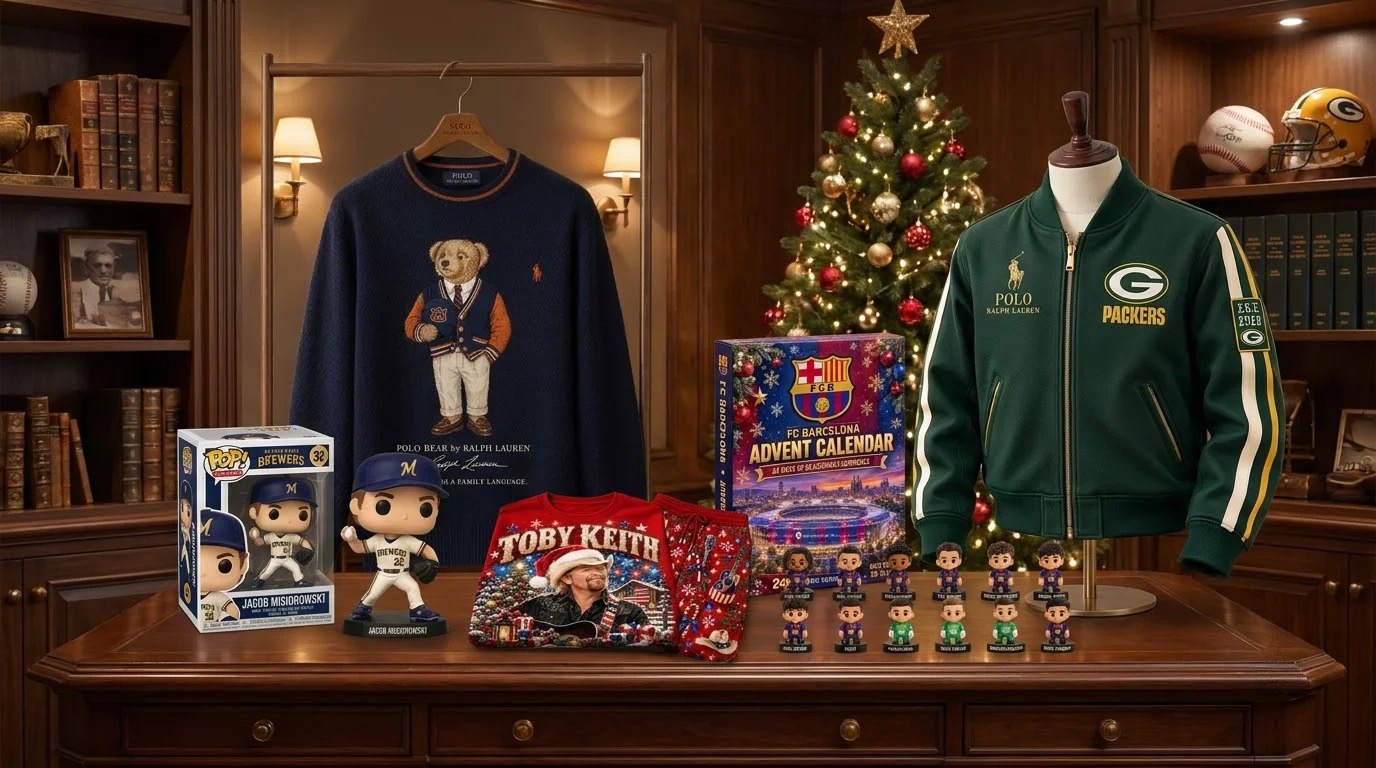
That seasonal connection helps explain why Parton’s presence continues to surface in holiday keepsakes, ranging from the Dolly Parton 31 Days Of Christmas Limited Edition Advent Calendar featured in this roundup to music-themed sleepwear and ornaments. Those items are fan-oriented retail offerings rather than official endorsements tied to the single’s release, reflecting how listeners keep favorite performers woven into everyday celebrations and shared traditions.
The accompanying retail selection carries that commemorative thread across multiple genres and eras. Items such as the David Bowie Starman Christmas Glow Graphic Pajama Set and the Fleetwood Mac Dreaming Of Christmas Holiday Pajama Set sit outside the story of “Torn” itself, illustrating instead how music lingers in daily routines—whether through spinning a record on a quiet evening or unpacking seasonal keepsakes year after year.
For Parton’s listeners, however, “Torn” offers something more immediate than memorabilia. It invites audiences to engage with the performance on its own artistic terms rather than treating every lyric as veiled autobiography. The song explores generalized human conflict rather than documenting Parton’s personal family history, and the most fitting tribute honors her craft: choosing to interpret a story whose truth extended beyond herself.
No additional newly recorded Parton tracks from these sessions have been announced to follow. Instead, what remains is the act of listening—comparing the three versions, hearing how Carnaval De Luz works as a complete album and living with a song recorded in life that now speaks across loss. “Torn” arrives both as a contemporary collaboration and as the final studio entry in a completed career, with each dimension deepening the other.
Across the distance separating a Nashville studio from the stadium stages long associated with U2, the duet ultimately rests on a quiet human exchange: one voice reaches out, another answers, and neither pretends to erase the ache at the heart of the lyric. In that restraint, Dolly Parton’s final recorded performance reaches the public not as a staged goodbye, but as a living piece of music still asking how love endures across a divide.
Featured Music, Sports and Seasonal Collectibles Roundup
Browse the complete 50-item catalog accompanying this feature.