Life Style
Final Fantasy’s Yuna Becomes a Thunder Deity as Tokyo Museum Unveils Classic Japanese Art Crossover
Nov
Yuna is stepping into a markedly different kind of summoning scene. On November 16, newly unveiled artwork for the upcoming Final Fantasy 40th-anniversary exhibition placed the heroine of Final Fantasy X inside a reinterpretation of a celebrated Japanese folding screen, casting her as a thunder deity alongside Rydia of Final Fantasy IV. The piece is one of several new commissions bringing video-game characters into direct dialogue with centuries of Japanese visual art.
Rather than relying on conventional character portraits or nostalgic montages of familiar scenes, the artworks take a more ambitious approach. They explore what emerges when figures known from digital worlds enter the visual grammar of a museum—gilded folding screens, hand-crafted woodblock prints, lustrous textiles and paintings rooted in traditions far older than modern gaming. For a franchise recognized for intricate worlds and enduring characters, the result is both visually arresting and closely tied to the artistic heritage that shaped Japanese popular culture.
The collaboration will be staged at Tokyo National Museum’s Hyokeikan building, where Neverending Journeys: Final Fantasy 40th Anniversary Exhibition is set to run from January 8 through April 4, 2027. November’s reveal gives audiences their clearest look yet at the exhibition’s centerpiece commissions rather than a broad outline. While the franchise marks its 40th anniversary in December 2027—four decades after the original game debuted in 1987—the museum’s program opens months ahead of that milestone.
A Summoner Enters a Historic Folding Screen
The Yuna composition draws inspiration from the renowned Wind God and Thunder God Screens, a work associated with painter Ogata Korin. In the new version, Yuna takes on the role of the thunder god while Rydia appears as the wind god. Rather than placing the two characters onto a historic backdrop purely for novelty, the design builds on their shared identity as summoners, translating their familiar abilities into a much older visual tradition.
That pairing highlights a notable thread across the franchise. Although Yuna and Rydia belong to separate installments released years apart, both represent key chapters in how Final Fantasy has defined the summoner—figures whose power rests on bonds with extraordinary beings rather than brute force alone. Depicting them as elemental deities underscores a quality the series has long cultivated through music, creature design and narrative: rendering the supernatural both grand in scale and deeply personal.
The piece is also crafted to echo the physical presence of a traditional screen instead of functioning merely as a modern poster. Produced with gold-colored paper and high-definition printing, it draws directly on the luminous surface quality of the historic form. That material emphasis changes how viewers engage with the image. On a screen at home, players control cameras, menus and motion; in a gallery, ambient light, texture and physical distance shape what stands out.
Artist Yasuhisa Izumisawa created the reinterpretation as one of twelve franchise-affiliated creators contributing to the anniversary project. Their participation gives the exhibition a contemporary creative pulse. Instead of simply hanging historical works beside existing game illustrations, the show presents newly conceived compositions requiring deliberate decisions about posture, material, gesture and symbolism.
Featuring Yuna also opens a clear doorway for visitors who may not regularly attend museum exhibitions. A character widely remembered for the emotional gravity of Final Fantasy X serves as an accessible entry point into an artistic tradition whose original context may be unfamiliar to international audiences. Viewers need not set aside what they know about Yuna; instead, the artwork invites them to see how her story’s themes of ritual, duty and spiritual strength resonate within another visual lineage.
Sephiroth, a Great Wave and the Craft of Reinterpretation
The November reveal extends well beyond the summoners. Tetsuya Nomura has reimagined Final Fantasy VII antagonist Sephiroth in conversation with Beauty Looking Back, a celebrated painting by Hishikawa Moronobu. The work places one of gaming’s best-known villains inside a composition defined by subtle motion, flowing drapery and the quiet drama of a backward glance. It is an intriguing shift for a character typically framed through theatrical entrances and looming menace, redirecting attention toward stance and surface.
To echo the gentle sheen of the original painting, the piece was produced on a glossy satin textile. Material choices like this sit at the core of the exhibition’s concept. Reinterpreting a classic work involves more than redrawing a familiar figure; it requires considering how an image behaves when printed, lit and displayed in a physical room. Here, Sephiroth remains unmistakable without relying on combat staging or cinematic spectacle.
Another newly unveiled work brings Final Fantasy IX into Katsushika Hokusai’s The Great Wave off Kanagawa, weaving the game’s maritime fantasy—including the summon Leviathan—into the surging crest of the iconic wave. Notably, the piece was created through traditional woodblock-printmaking methods involving a designer, carver and printer. The craft is central to the crossover: a modern fantasy world is realized through an artisanal process rooted in Japanese print history.
That commitment to technique helps the collaboration avoid a common pitfall. When borrowing an image as famous as Hokusai’s wave, simply inserting a recognizable character can feel superficial. Here, the production aims for genuine visual integration. The sweeping force of the water, the tension of the crest and the mythic scale of Leviathan share a natural graphic rhythm, allowing the two worlds to feel organically aligned.
Final Fantasy XVI protagonist Joshua Rosfield also features in a reinterpretation of the Buddhist Peacock Wisdom King motif. Drawing on Joshua’s bond with the Phoenix, the piece incorporates gold powder into select details so the surface catches light differently as viewers move past it—an effect suited both to its sacred-art inspiration and to a character associated with fire, sacrifice and rebirth.
Taken together, the selections show that the exhibition looks beyond only the franchise’s most commercially ubiquitous icons. Instead, it spans distinct eras and visual styles, from earlier pixel-art roots to contemporary cinematic entries. Each creator had to locate common ground between a specific game’s identity and the formal language of a historic work—whether through obvious thematic links like summoners and deities, or through unexpected contrasts that give the images lasting intrigue.
Why a Museum Becomes a New Stage for Video-Game Fantasy
Behind these pairings lies a broader cultural question: how does video-game art fit into the wider history of visual expression? While major institutions have staged gaming exhibitions before, the Tokyo project goes further by placing newly commissioned, game-inspired works in direct dialogue with a national museum’s artistic heritage. Rather than relying solely on the prestige of its venue, the exhibition tests whether shared visual questions—around movement, narrative, symbolism and craft—can bridge centuries.
The venue itself reinforces that theme. Opened in 1909 and designated an Important Cultural Property, Hyokeikan blends Western architectural elements into a Japanese museum setting—a fitting parallel for Final Fantasy, which has long fused medieval European fantasy tropes with Japanese design traditions, science fiction and world mythology. Neither the building nor the game series belongs to a single cultural tradition.
Although the 40th-anniversary exhibition was announced earlier this year, November’s artwork reveal clarifies what sets it apart. Eight collaborative pieces are slated for the opening phase of the show, with five additional works arriving in the second phase for a total of thirteen. Those later additions include the Yuna-and-Rydia folding screen and the Final Fantasy IX wave print, giving the exhibition an evolving lineup rather than a single static display.
The approach also reflects a thoughtful view of anniversary programming. Milestones often lean heavily on looking backward, celebrating longevity through familiar highlights. While this exhibition embraces nostalgia, it moves beyond simple retrospection by treating characters and worlds as adaptable artistic subjects capable of fresh interpretation without losing their emotional core.
For longtime players of Final Fantasy X, encountering Yuna on a museum folding screen offers a different kind of connection than a remastered character model or an orchestral arrangement. Many associate her with quiet resolve, responsibility and difficult personal choices. Seeing her reimagined with mythic stature invites viewers to appreciate both those narrative qualities and the physical craftsmanship of the screen itself—not as a substitute for the game, but as a new lens on why the character endures.
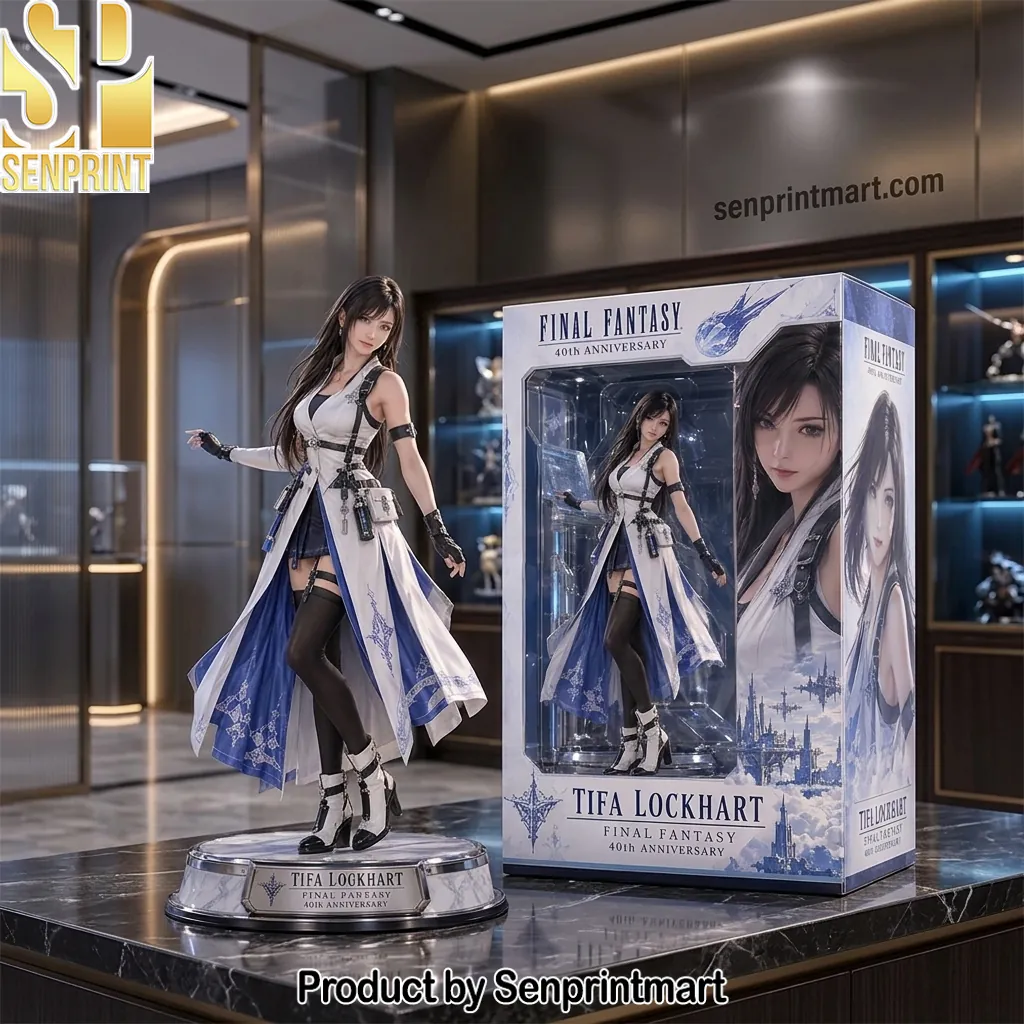
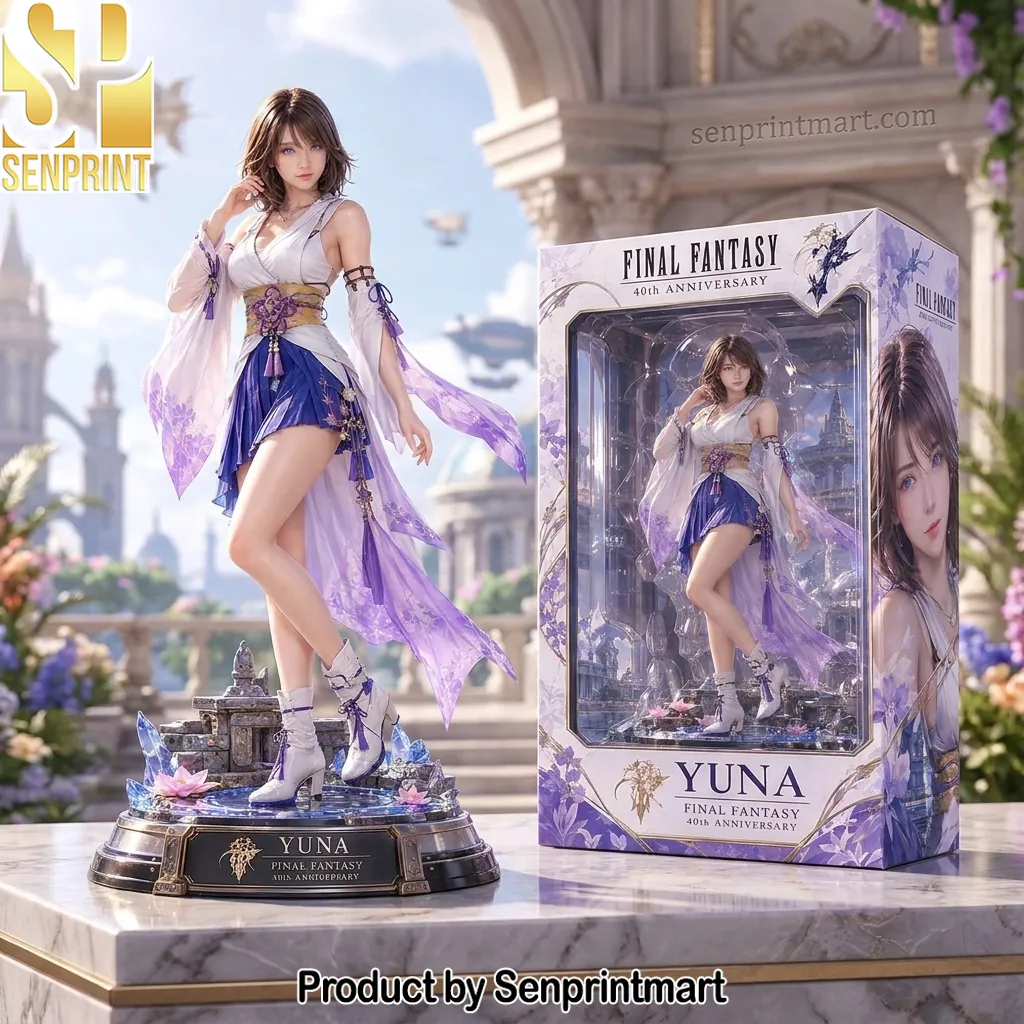
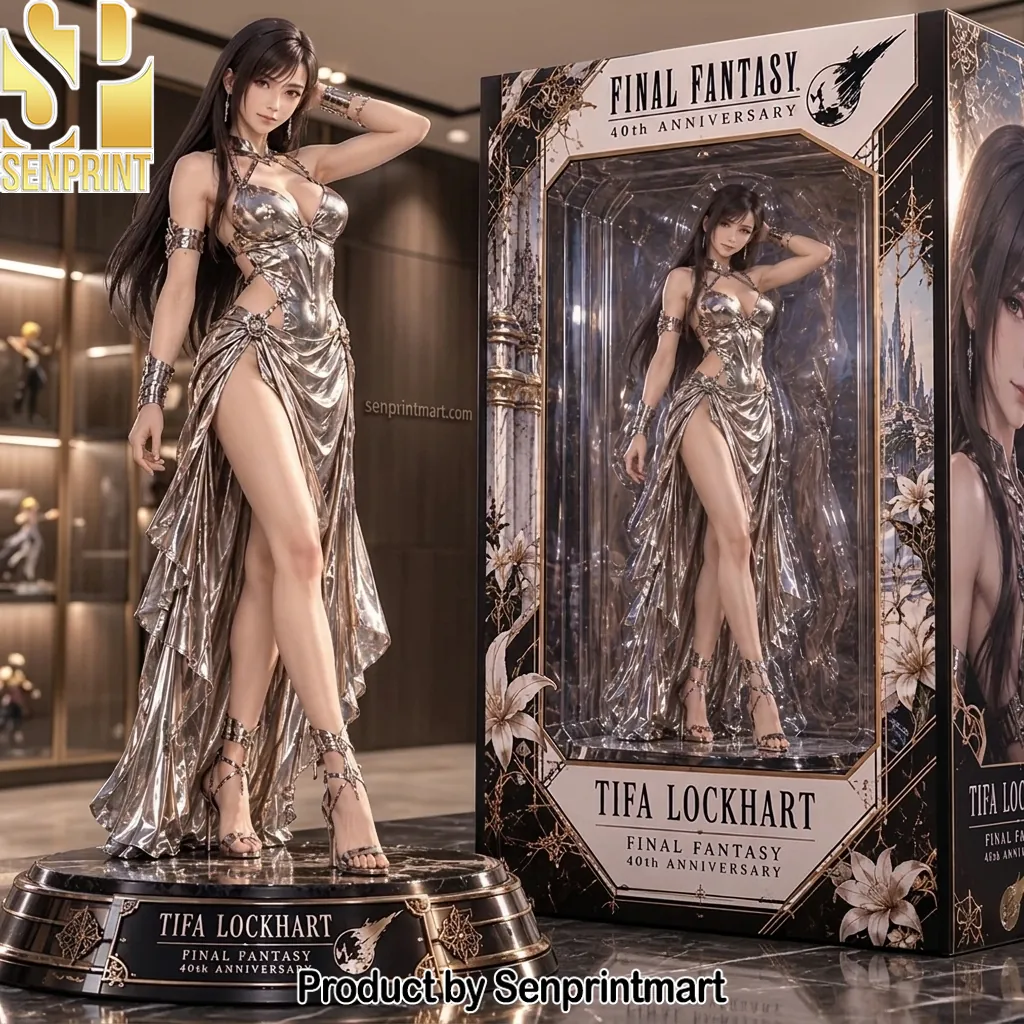
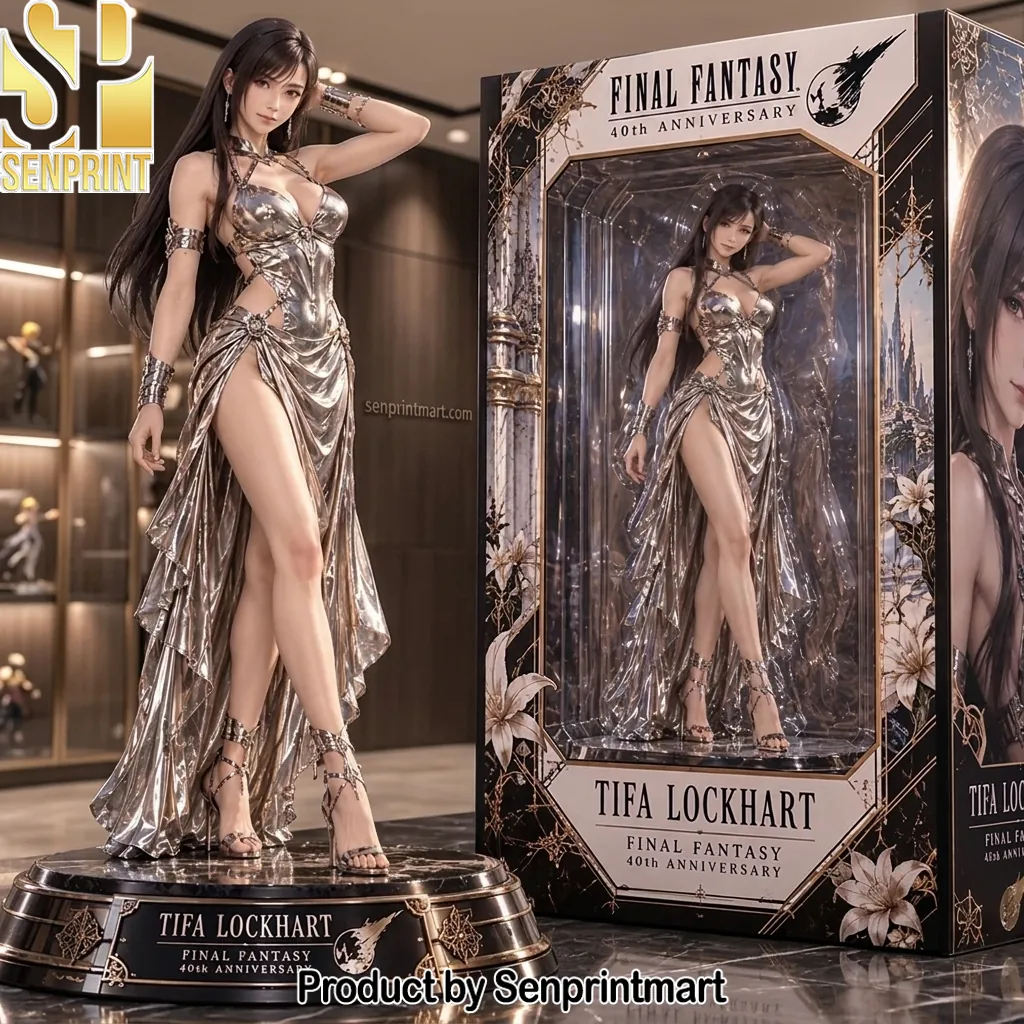
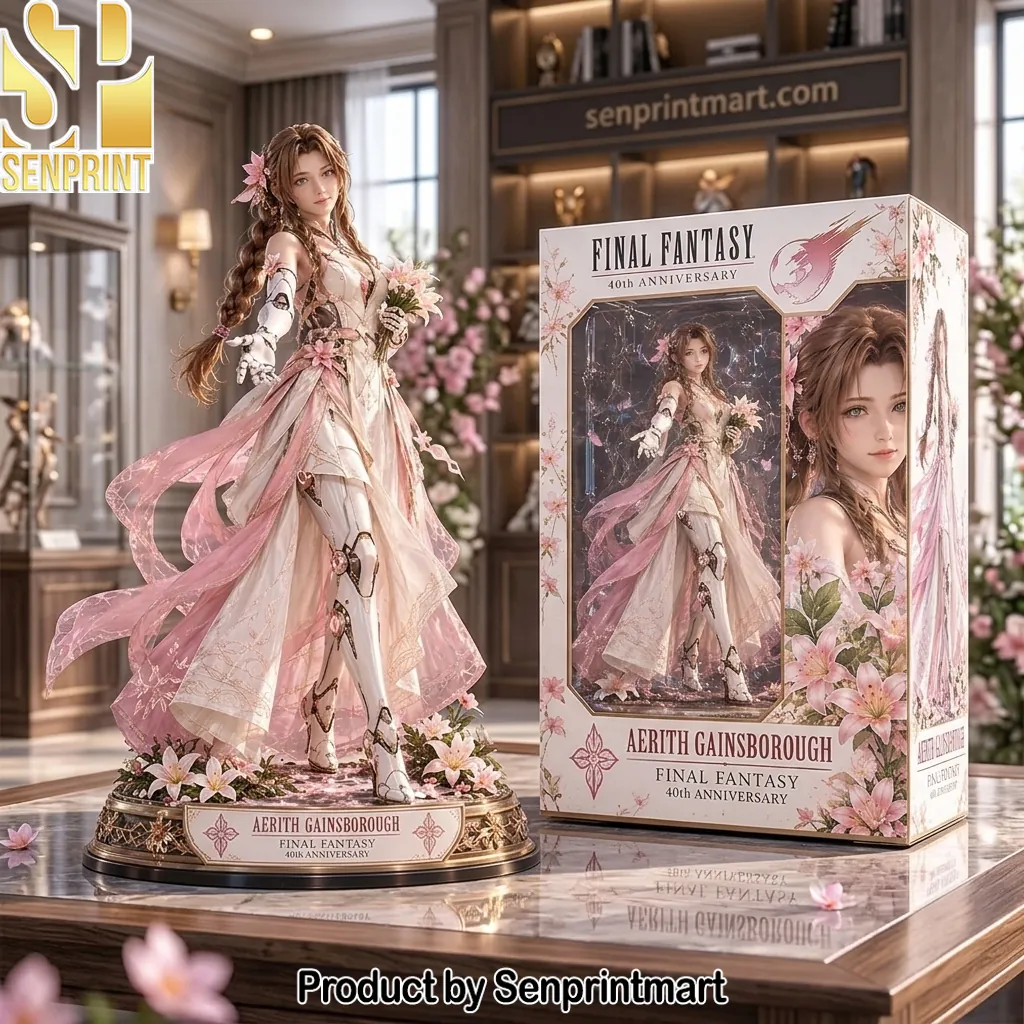
Much the same can be said for Tifa Lockhart and Aerith Gainsborough, two other beloved figures whose cultural footprint extends well beyond any single appearance. Neither character is among the specific art pairings detailed in the November reveal described here, so they should not be presented as featured in those newly unveiled pieces. Even so, their ongoing popularity in fan displays and character collectibles underscores a wider desire to bring digital characters into physical spaces, from home shelves to conventions and galleries.
Recognizing that distinction is useful for audiences interested in themed collectibles. A commercial character figure is separate from a museum-commissioned artwork, and retail items should not be confused with exhibition exclusives or officially affiliated merchandise. Yet both address a related impulse: translating characters born on screen into tangible objects with physical presence. The newly revealed artworks pursue that goal through fine-art materials and traditional craft rather than sculpted figures.
What Visitors Can Expect When the Exhibition Opens
The exhibition runs from January 8 through April 4, 2027, with its second display phase opening on February 16. Alongside the thirteen collaborative artworks, organizers plan to trace the franchise’s four-decade history through memorable scenes, music and immersive installations. Balancing traditional craft pieces with experiential displays will be central to giving the show cohesion while letting individual artworks command attention.
November’s announcement also outlined official exhibition merchandise created around the commissioned designs, including textiles, bags, acrylic art blocks, apparel, cards and keepsakes. Those items belong to the museum collaboration’s dedicated lineup and remain distinct from unrelated fan-themed goods available through outside retailers—an important clarification for readers navigating seasonal gift assortments.
On the practical front, early-bird dated tickets for the exhibition’s second and third admission windows went on sale November 12. Organizers have also previewed promotional art cards linked to specific visit periods, featuring the newly unveiled crossover imagery so attendees can take home a small print souvenir of the collaboration. Admission terms and ticket availability remain subject to change ahead of opening day.
For international travelers, the appeal rests on more than spotting a favorite character. Specialty printing, gold-toned surfaces and hand-pulled woodblock textures depend on in-person viewing, where subtle shifts in light, surface grain and scale come through in ways digital reproductions cannot match. A museum gallery also encourages a slower pace of looking, contrasting sharply with the rapid momentum of gameplay.
Even for fans following from abroad, the November reveal captures the exhibition’s creative ambition. A role-playing series that began in 1987 has generated enough visual and emotional resonance for a dozen artists to reinterpret centuries-old Japanese artistic motifs through its cast. Rather than altering the franchise’s roots, the project shows how far those fictional worlds can travel when placed in conversation with older traditions.
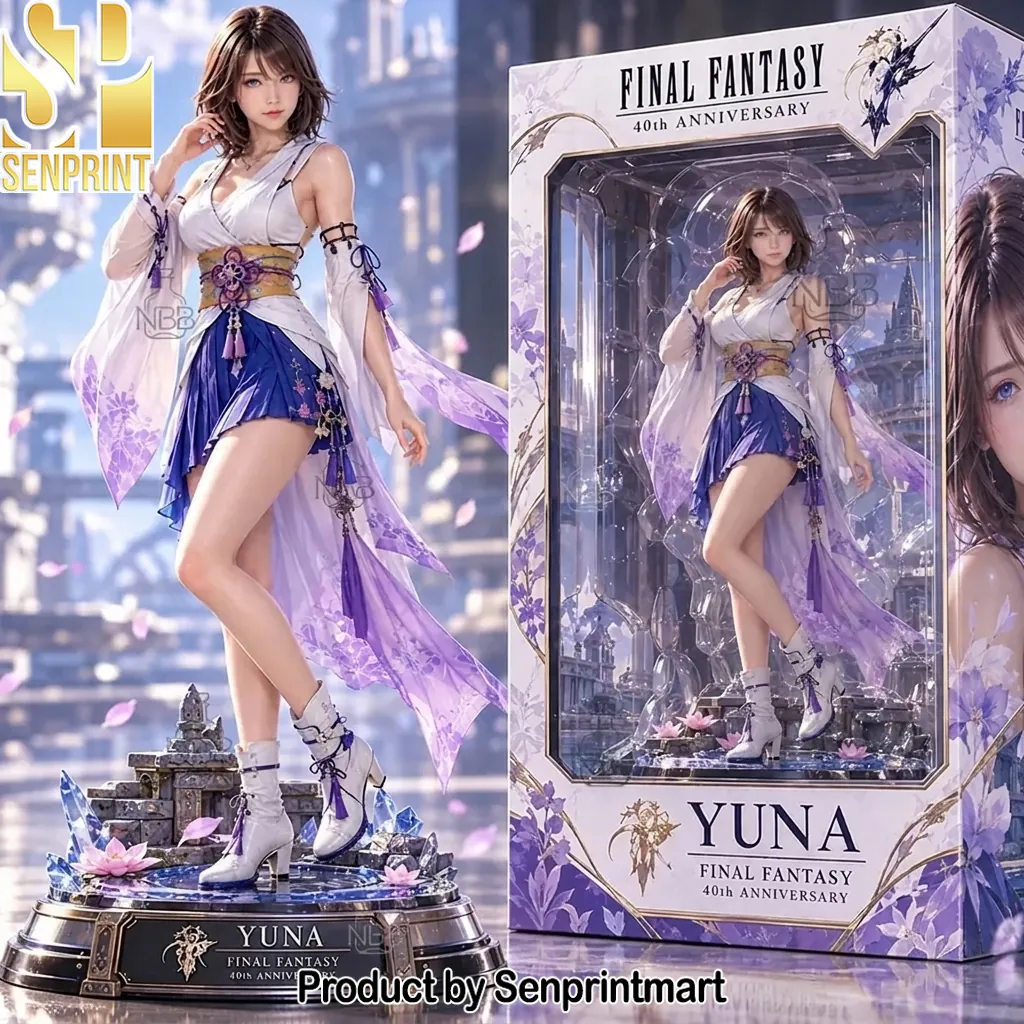
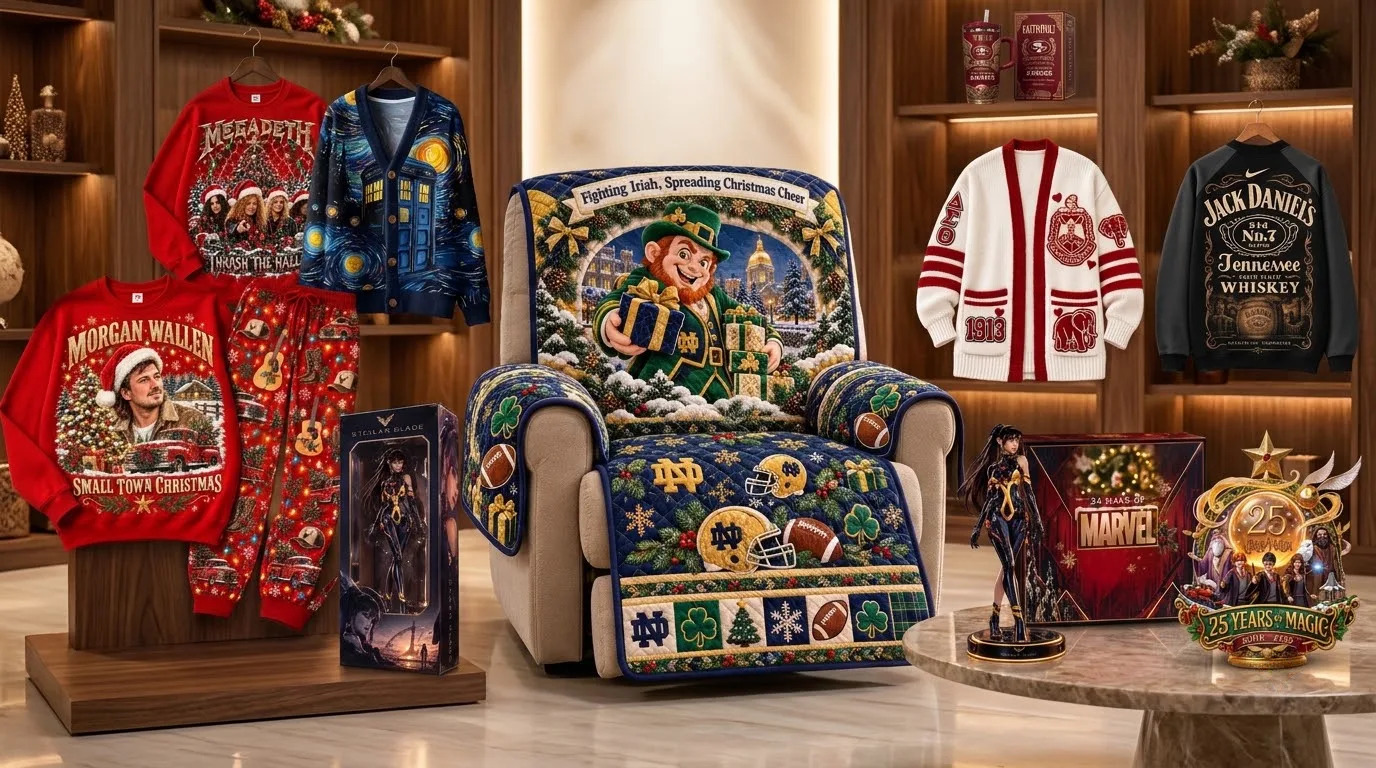
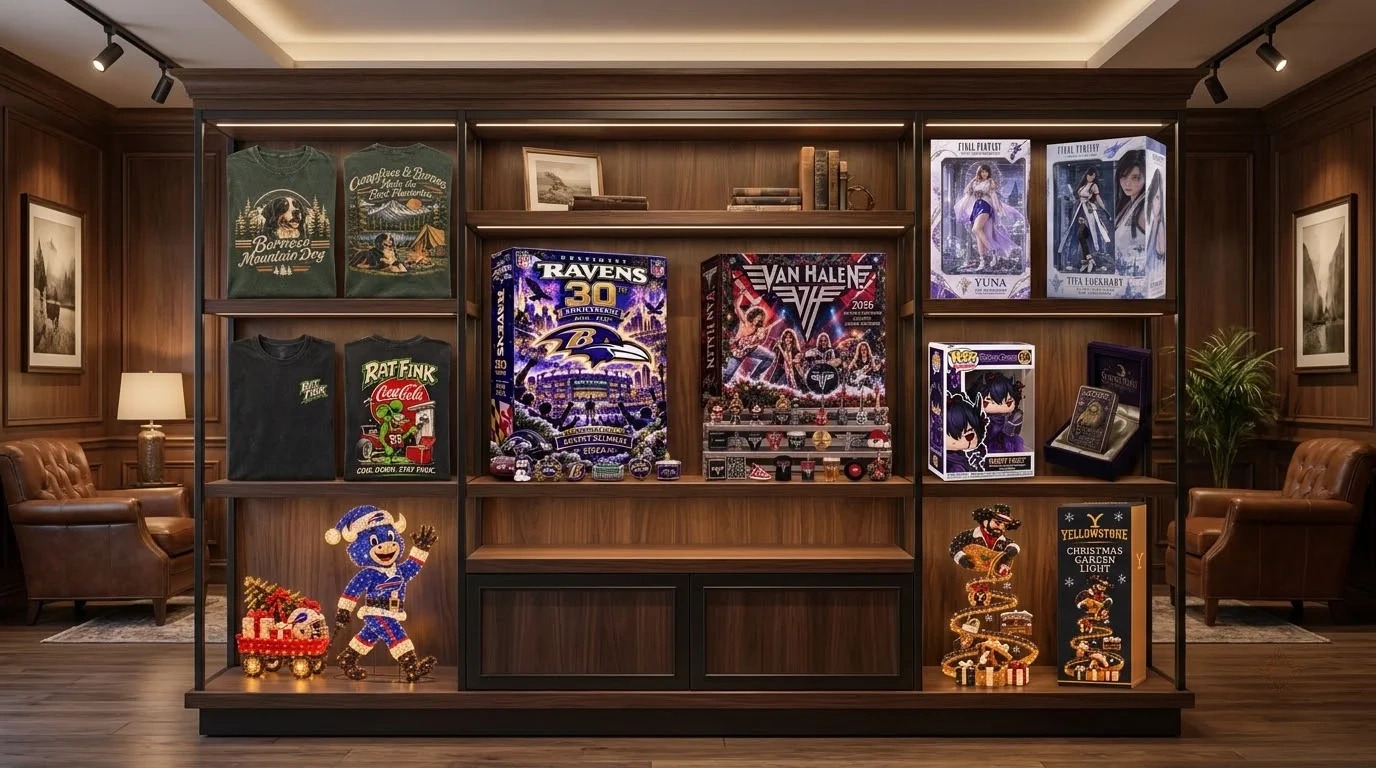
The items in the collection below reflect that broader enthusiasm for memorable pop-culture worlds. Alongside several Final Fantasy character pieces—including Yuna, Tifa and Aerith—the assortment spans gaming, music, sports and seasonal holiday designs. Their connection to this story is one of shared fan interest rather than official exhibition sponsorship, illustrating how character figures and keepsakes help enthusiasts keep familiar universes close at hand.
Ultimately, the defining image from November’s reveal may also be its clearest: two summoners from different eras of the series, reimagined as wind and thunder deities across a gilded folding screen. While the artwork is newly created, it brings together centuries of Japanese artistic memory and decades of player attachment. When doors open in Tokyo this January, those preview images will give way to physical works visitors can study up close—another unexpected chapter for a series built around never-ending journeys.
Featured Gaming, Pop-Culture & Holiday Collection
Browse all 50 designs featured in this collection, spanning Final Fantasy character figures, seasonal decorations, music keepsakes and sports collectibles. Items listed below are separate retail products and are not represented as official exhibition merchandise.