Life Style
U2 Set for 24-Year Halftime Return as NFL Schedules First Thanksgiving Eve Clash
Oct
U2 is slated to headline an NFL halftime show on November 25, elevating the league’s inaugural Thanksgiving Eve fixture far beyond a standard encounter between the Green Bay Packers and Los Angeles Rams. Unveiled on October 20, the performance will emanate from SoFi Stadium in Inglewood, California, and stream globally on Netflix. For a legendary group celebrating five decades together, the booking transcends a routine television spot, marking a return to the grandest broadcast stage where U2 delivered one of the most resonant performances in Super Bowl history.
The scheduling introduces a fresh dynamic to the sporting calendar, marking the NFL’s first-ever game on the Wednesday evening preceding Thanksgiving. Simultaneously, U2 prepares to unveil its first studio album of original material in nine years. Together, these convergent milestones weave a dual narrative: a major sports league expanding its holiday footprint, and an iconic rock band re-entering a massive global television arena.
While kickoff and broadcast details remain weeks away from execution as of October 25, the confirmed engagement immediately alters the cultural landscape of the matchup. Packers–Rams acquires a prominent entertainment anchor, while U2 secures a massive audience spanning demographics far beyond traditional concertgoers. The defining question centers not merely on setlist selection, but on how effectively the band can command the intensely compressed environment of a football halftime.
Charting a New Course for Holiday Football Traditions
Scheduled for an 8 p.m. Eastern (5 p.m. Pacific) start on Wednesday, November 25, the Packers-Rams showdown will be broadcast worldwide via Netflix, with pre-game coverage commencing earlier in the evening. Hosted at SoFi Stadium, the venue provides a state-of-the-art backdrop optimized for mega-scale entertainment. Although structured as a regular-season fixture rather than a postseason clash, the addition of a world-class musical headliner imbues the evening with the theatrical anticipation typically reserved for marquee championships.
This scheduling innovation challenges established holiday viewing habits. Traditionally, American football fans structure their Thanksgiving celebrations around established game slates and family gatherings. Introducing a Wednesday precursor demands distinct appointment viewing rather than borrowing momentum from Thursday’s festivities. While a band with fifty years of cultural footprint provides a powerful draw, it also raises audience expectations for broadcast production quality.
The sporting matchup offers a compelling baseline. Green Bay carries storied ties to the NFL’s foundational era, whereas Los Angeles represents a vibrant contemporary media market. Rather than conflicting, these identities complement one another, bridging traditional football continuity with cutting-edge stadium spectacle. U2 introduces a third layer of allegiance, anchored by a multi-generational catalog rather than geographic loyalty.
Netflix enters this venture backed by growing streaming-sports experience, having previously hosted high-profile musical productions during holiday fixtures, including Beyoncé’s 2024 Christmas Day performance and Snoop Dogg’s 2025 holiday showcase. This Thanksgiving Eve production extends that strategic playbook into a novel calendar slot, pairing a historic Super Bowl headliner with an unprecedented league schedule.
The streaming distribution model fundamentally alters viewer access. Unlike traditional network broadcasts anchored to domestic television grids, Netflix delivers the performance to subscribers across international markets. While global reach does not guarantee specific viewership figures, it ensures the production is engineered to resonate far beyond the competing teams’ regional fanbases.
Operationally, the primary hurdle lies in seamless execution. Halftime constraints allow zero margin for sprawling intros or leisurely encores, requiring production crews to coordinate fluid transitions between athletic competition and live music within strict television windows. Every creative choice is magnified: a universally recognized chorus instantly connects with casual viewers, while striking stage design cements the broadcast in public memory.
Echoes of a Historic Super Bowl Stage
U2’s return to the NFL gridiron evokes powerful historical parallels, though under vastly different circumstances. On February 3, 2002, at Super Bowl XXXVI in New Orleans—held just months after the September 11 attacks—the band delivered an emotionally charged halftime tribute featuring the names of victims scrolling across screens alongside Bono revealing an American flag. That evening saw the New England Patriots defeat the then-St. Louis Rams 20–17.
The historic connection to the Rams franchise adds a poetic geographical resonance to the November booking. In 2002, the team represented St. Louis on the championship stage; in 2026, the relocated Rams serve as hosts in Los Angeles. While the Patriots are absent from this upcoming fixture, the historical thread highlights the sweeping evolution of NFL geography, broadcasting reach, and public profile over the past twenty-four years.
Observers should avoid expecting a direct replication of the solemn gravity that defined the 2002 performance, which was forged in a singular moment of national grief. The upcoming Thanksgiving Eve appearance serves a distinct purpose: celebrating a milestone anniversary, launching a league innovation, and anchoring a major streaming event. The true intrigue lies in witnessing whether U2 can channel the discipline that made their earlier stadium performance unforgettable into a vibrant holiday showcase.
U2’s remarkable longevity provides a solid foundation for the endeavor. Formed in Dublin in 1976 after drummer Larry Mullen Jr. posted an audition notice at Mount Temple Comprehensive School, the lineup of Bono, the Edge, Adam Clayton, and Mullen has endured through decades of shifting musical landscapes and production technologies. Reaching a fiftieth anniversary represents an extraordinary milestone of creative continuity in the modern music industry.
This enduring partnership explains the profound weight carried by a brief halftime set. A single listener might associate the band’s early tracks with youth, while another discovers them through stadium tours or cinematic syncs, and younger audiences encounter the catalog afresh. Successfully unifying these disparate generations within a single live performance demands immense artistic precision.
New material further enriches the timing, with U2’s sixteenth studio album, Carnaval De Luz, slated for release on November 13—just twelve days before the kickoff. Marking their first collection of new studio tracks in nine years, the release naturally aligns with the broadcast, though official setlist details remain unconfirmed.
Anticipation Builds Amid Unconfirmed Setlist Details
While organizers have teased potential special guest appearances, definitive confirmations remain under wraps. Technical staging, running orders, and visual design elements have not been disclosed ahead of the October 25 briefing. Halftime spectacles inherently invite speculation by condensing concert-scale expectations into tight timeframes, yet the core pillars remain concrete: U2, Packers–Rams, SoFi Stadium, November 25, live on Netflix.
The choice of artist establishes a distinct tonal direction. A veteran rock outfit commands a different demographic presence than contemporary pop headliners, relying on immersive atmosphere, gradual crescendos, and arena-filling visual aesthetics. Balancing stadium-scale grandeur with intimate broadcast transmission remains a central artistic test.
Consequently, the inaugural Thanksgiving Eve fixture offers a multifaceted cultural proposition. Holiday television thrives on shared rituals and communal viewing habits. While competitive football drives engagement on the field, the halftime spectacle provides a vital secondary gateway, welcoming viewers who prioritize musical entertainment alongside dedicated sports enthusiasts.
Ultimately, the musical showcase complements rather than overshadows the athletic competition. Green Bay and Los Angeles will settle their contest strictly between the opening kickoff and the final whistle. The entertainment booking does not predetermine on-field performance or game outcomes, but rather frames an unpredictable sporting battle with an iconic cultural backdrop.
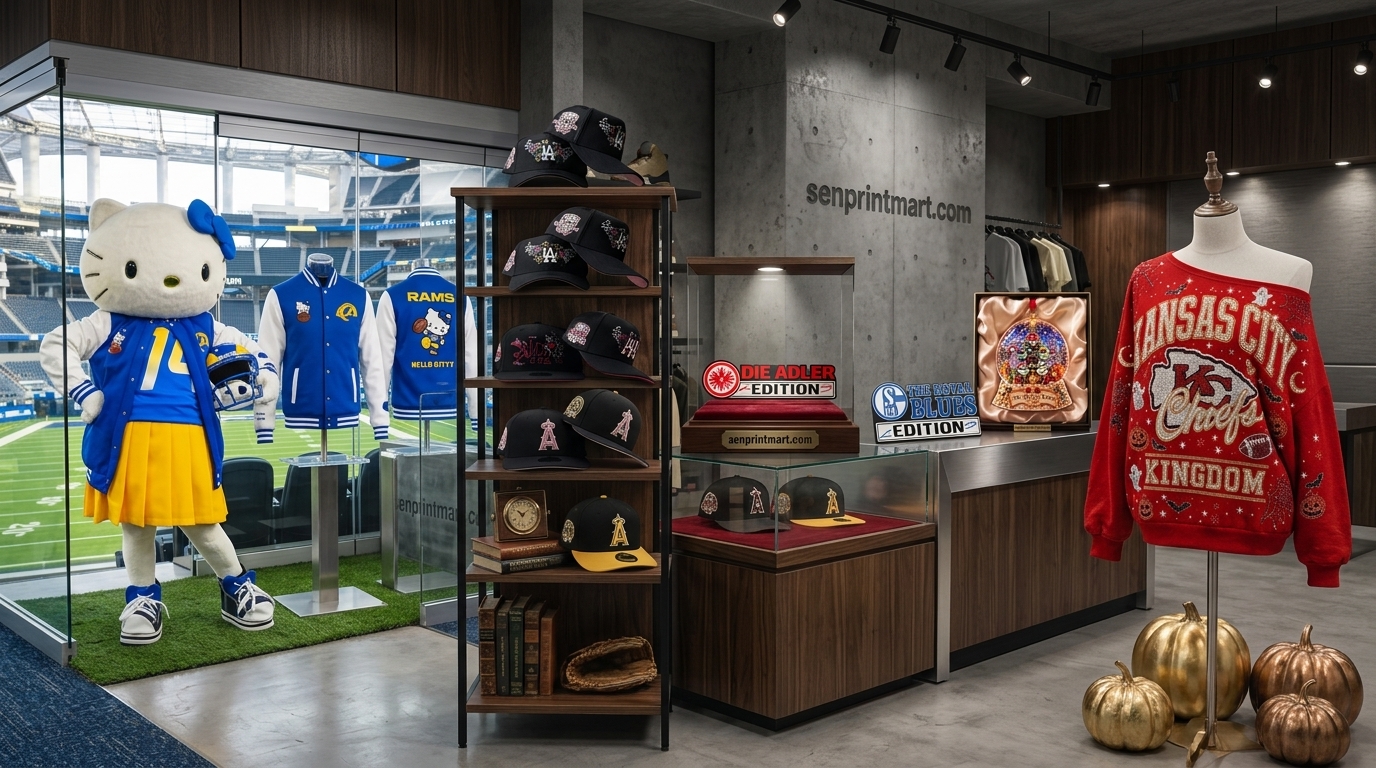
The intersection of sports and music fandom frequently manifests in tangible memorabilia. Enthusiasts often commemorate such milestones through apparel, whether wearing a U2 50th-anniversary shirt, a Packers-themed sweatshirt, or a Rams varsity jacket. While independent of official broadcast partnerships, these items reflect the deep-seated loyalties fans bring to major televised events.
Historical touchstones further reinforce this sense of continuity. Items like a Patriots-themed home piece evoke franchise allegiance in much the same way classic recordings preserve musical memories. Although separate from the upcoming broadcast, these cultural touchpoints demonstrate how enduring fandom bridges eras.
While anniversary broadcasts often lean heavily into nostalgic retrospection, U2 approaches this appearance with forward momentum, anchored by an impending studio album and a league forging new holiday traditions.
With Carnaval De Luz arriving November 13 and the historic Packers–Rams clash following on November 25, the intervening weeks are defined by eager anticipation. Nearly a quarter-century after their iconic New Orleans appearance, U2 returns to an NFL stage—not to recreate a solemn historical moment, but to stamp a unique musical identity onto a brand-new holiday tradition.
Explore the Full Collection
Discover music, football, seasonal and collectible designs in this collection.