Life Style
Inside ‘Project Shamrock’: How a Lost Reel Rewrites the Origins of Michael Myers
Oct
An independent horror short draws a chilling connection between Michael Myers and the sinister maskmaker of Halloween III, offering a provocative reinterpretation without disrupting official franchise continuity.
Director Jason Eisener has thrust Michael Myers into the one corner of the Halloween universe long thought entirely separate from him. In the short film Project Shamrock: The Secret Origins of Michael Myers Exposed, the iconic slasher’s backstory is reimagined as the byproduct of clandestine experiments conducted by Silver Shamrock—the malevolent novelty corporation central to 1982’s Halloween III: Season of the Witch. Debuting during the peak October viewing window, the project immediately captured the attention of genre enthusiasts.
Rather than offering an authorized studio sequel or attempting to untangle decades of convoluted franchise lore, Eisener’s production operates as an independent, non-profit fan venture. Its central conceit is both striking and unconventional: what if the iconic white mask worn by cinema’s silent stalker originated from the very same terrifying product line featured in Season of the Witch? Across a brisk runtime of under five minutes, the short frames this hypothesis as a newly discovered archival artifact.
This timing lends the release an undeniable seasonal resonance. Amid peak horror-viewing weeks, Eisener presents a narrative experiment that challenges audiences to reexamine two classic films as if they had covertly intersected for over four decades. While introducing no official canon alterations, the project demonstrates how enduring franchise mythos can be revitalized through an imaginative narrative pivot.
The Franchise Entry That Left Michael Myers Behind
This imaginative leap hinges on a well-known divergence in cinematic history. John Carpenter’s seminal 1978 original established Michael as an inexplicable force of nature, a child who slays his sister in Haddonfield, Illinois, before returning years later to stalk the suburban night. Stripped of motive or understandable psychology, his pale, expressionless mask functioned as a blank slate of pure, unadulterated dread.
When Halloween III: Season of the Witch premiered in 1982, director Tommy Lee Wallace deliberately broke from that established template. Shifting focus away from Myers, the film explored an entirely different terror centered on Silver Shamrock Novelties—a sinister enterprise weaponizing television broadcasts and deadly microchips embedded in children’s masks. The installment envisioned an anthology framework where the holiday itself, rather than a lone murderer, served as the primary catalyst for horror.
While initially polarizing among fans expecting the return of Haddonfield’s serial killer, the film forged a distinct visual legacy defined by hypnotic television jingles, colorful holiday masks, and the chilling premise that mass-produced consumer goods could harbor lethal intent. The contrast with Carpenter’s original vision was absolute: one menace materialized as an isolated human threat, while the other was masked behind corporate branding and commercial festivity.
Project Shamrock embraces this dichotomy as fertile narrative ground. Within its framed fictional chronology, Silver Shamrock’s clandestine mask trials trace back as far as 1960, with the faux-archival footage implying that a young Michael Myers was subjected to the corporation’s early experiments. Consequently, an iconic piece of slasher iconography is reframed as the catalyst for his dark metamorphosis.
This bold proposition directly addresses a deliberate ambiguity established in Carpenter’s original masterpiece, which derived much of its terror from the character’s inexplicable nature. Eisener’s short takes the opposite tack by constructing a complex industrial apparatus behind the evil. This speculative approach works precisely because of the production’s unofficial standing, inviting viewers to explore a fascinating hypothetical scenario rather than a canon retcon.
Further expanding its scope, the short incorporates elements of the Cult of Thorn mythos introduced in later franchise installments. By weaving these threads together, the narrative suggests that disparate narrative directions across the series might stem from a single overarching conspiracy. Rather than offering a definitive resolution, the production succeeds by repurposing decades of cinematic lore into a tightly crafted, atmospheric vignette.
Uncovering a Conspiracy Through Weathered Archives
The aesthetic execution is equally vital to the project’s impact. Eschewing modern cinematic polish and overt exposition, Eisener frames the narrative as recovered industrial documentation. Featuring actor Dave Brunt as a former Silver Shamrock facility custodian, the short adopts the tone of firsthand testimony—piecing together fragmented evidence long after the fact.
Shot on authentic 8mm and 16mm stocks over a two-day production window across Dartmouth and Halifax, Nova Scotia, the project achieves an organic grit that digital effects cannot easily replicate. These lean production methods reinforce a storytelling style dependent on visual fragments, subtle cues, and atmospheric suggestion.
The deliberate deployment of film grain, period-accurate framing, and visual degradation serves a dual purpose beyond mere nostalgia, deliberately destabilizing viewer certainty. By presenting scratches and spliced reels as tangible evidence while remaining transparent about its fictional nature, the short creates an uncanny illusion of archival survival from a forgotten chapter of horror history.
Behind the camera, Eisener served as writer, director, and editor, collaborating with cinematographer Andy Appelle, composer and sound designer Andrew Gordon Macpherson, and production and effects supervisor Katie McQueston, alongside prosthetic contributions from Steven Kostanski. This collaborative craftsmanship underscores how successfully convincing world-building relies on meticulous physical detail and tactile design.
Brunt’s portrayal of a working-class employee anchors the narrative effectively, avoiding the tired trope of an over-explaining villain. By filtering corporate malevolence through the perspective of an ordinary worker grappling with unspeakable events, the facility is grounded first as a mundane workplace before descending into terror, highlighting how danger can lurk within everyday industrial routines.
This thematic synthesis forms the core of the short’s resonance. While Myers’ signature mask terrifies through total emotional vacancy, Silver Shamrock’s products inspire dread through corporate deception. By bridging these two concepts, the project reframes a simple costume piece as a literal nexus connecting isolated psychopathy to systematic industrial malfeasance.
The narrative also rewards seasoned genre literacy. Viewers familiar with Season of the Witch will immediately grasp the ominous significance of the corporate insignia, while long-time series devotees will appreciate the subtle nod to the Thorn mythology. Operating within a compressed runtime, the production relies on audience familiarity to imbue fleeting visual cues with immediate emotional weight.
The Appeal and Limitations of Alternative Lore
Within a franchise defined by fractured timelines and conflicting continuities, distinguishing between imaginative speculation and official canon is crucial. Because the Halloween series has repeatedly rebooted and reinterpreted its own history, independent productions enjoy the creative liberty to explore conceptual intersections that commercial studio projects cannot easily touch.
Eisener leverages this freedom to present a provocative hypothesis rather than a mandatory canon update. The short makes no claim to supersede the 1978 original or establish an official franchise link; its premise exists strictly within the confines of its own self-contained narrative. The entertainment lies in experiencing how an unorthodox crossover can be rendered briefly, convincingly tangible.
Nevertheless, rationalizing iconic horror figures carries inherent artistic risks. Myers derived much of his primal terror from his utter inscrutability. Introducing a clinical explanation or corporate conspiracy shifts the nature of the threat, replacing an inexplicable bogeyman with an engineered product of human malice and industrial design.
At the same time, this pivot taps into distinct anxieties regarding consumer trust and mass production. By entwining festive seasonal rituals with corporate malice, the narrative subverts familiar domestic comforts, transforming items purchased for celebration into conduits for dread.
Moreover, this creative reinterpretation elevates Season of the Witch from an outlier status within the series. Rather than being defined merely by the absence of its iconic slasher, the 1982 film is recast as a foundational pillar of a grander, unified horror conspiracy.
This dynamic highlights how enduring film properties transcend their official cinematic installments, entering the realm of shared cultural iconography. Familiar motifs—a stark white mask, an industrial backdrop, or a catchy corporate jingle—instantly evoke an entire atmospheric universe without requiring extensive exposition.
Releasing during the peak autumn viewing window, Project Shamrock offers a refreshing alternative to sprawling, high-budget franchise planning. Unencumbered by corporate mandates or sequel setups, the short succeeds entirely on the strength of a single, sharply executed speculative premise.
As current reports confirm, the production remains strictly an independent fan tribute with no official studio backing or commercial tie-ins. Whether this atmospheric experiment remains an isolated gem or sparks further creative explorations, it stands as a testament to inventive fan-driven storytelling.
Ultimately, the short serves as an engaging companion piece for enthusiasts navigating autumn horror marathons. By linking the raw suspense of the 1978 original with the corporate dread of its 1982 successor, the project invites viewers to experience classic cinema through an exciting new interpretive lens.
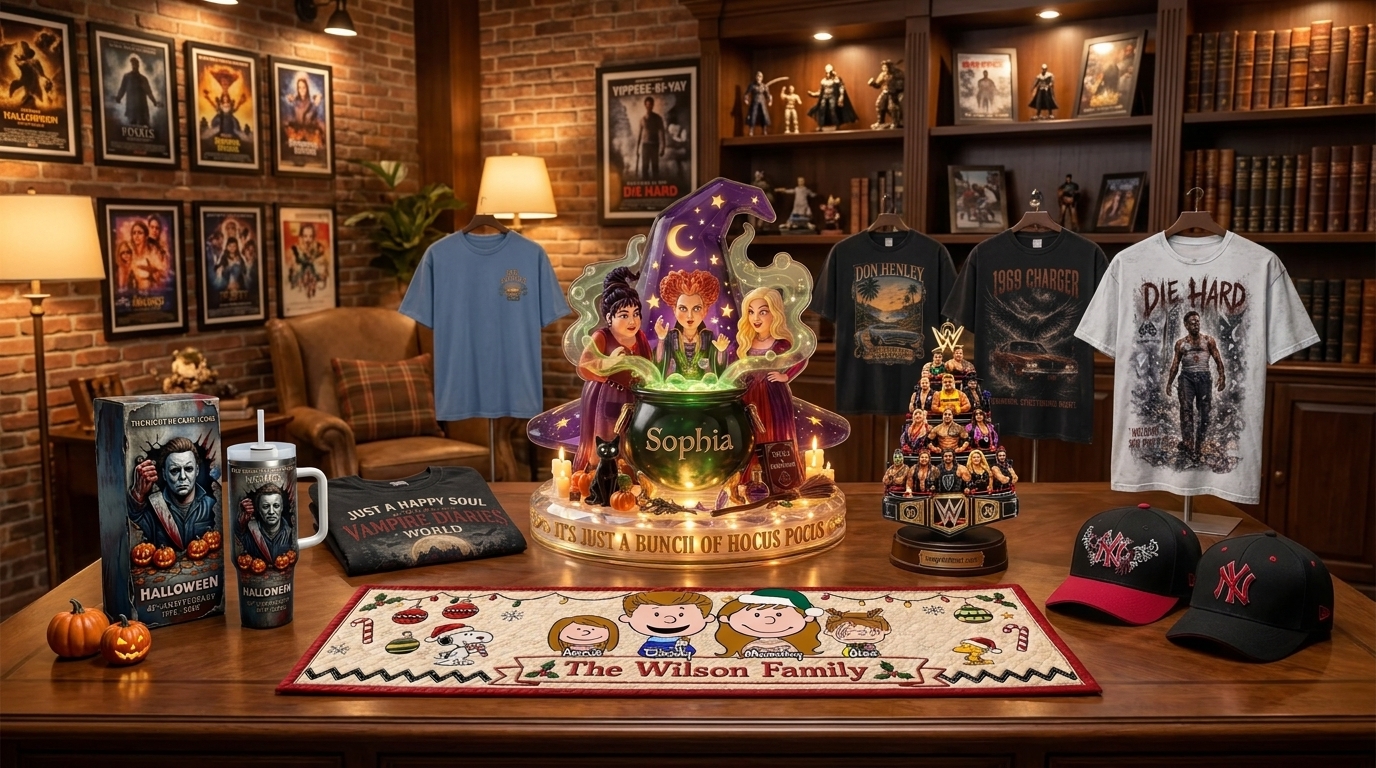
Physical iconography plays an enduring role in how audiences engage with horror culture off-screen. Enthusiasts frequently identify iconic antagonists through minimalist silhouettes and familiar motifs long before dialogue is spoken. This widespread cultural footprint is reflected in everyday fan merchandise—such as a custom Michael Myers decorative pillow or a themed holiday accent rug—demonstrating how classic cinematic imagery persists across diverse consumer formats.
Icons spanning the horror pantheon—from Ghostface and Chucky to Freddy Krueger and Art the Clown—have similarly transcended their original cinematic debuts through distinct visual branding. Yet Michael Myers remains uniquely malleable, his silent menace and expressionless mask providing an ideal canvas for ongoing artistic reinterpretation.
This enduring capacity for reinvention captures the true appeal of Project Shamrock. Rather than rewriting established canon, the short offers a compelling exercise in imaginative speculation—prompting audiences to ponder whether uncovering the machinery behind a monster diminishes his terror or deepens it further.
Explore the Full Collection
Browse all 50 designs in this collection, from horror-inspired favorites and music tributes to sports accessories and seasonal keepsakes.
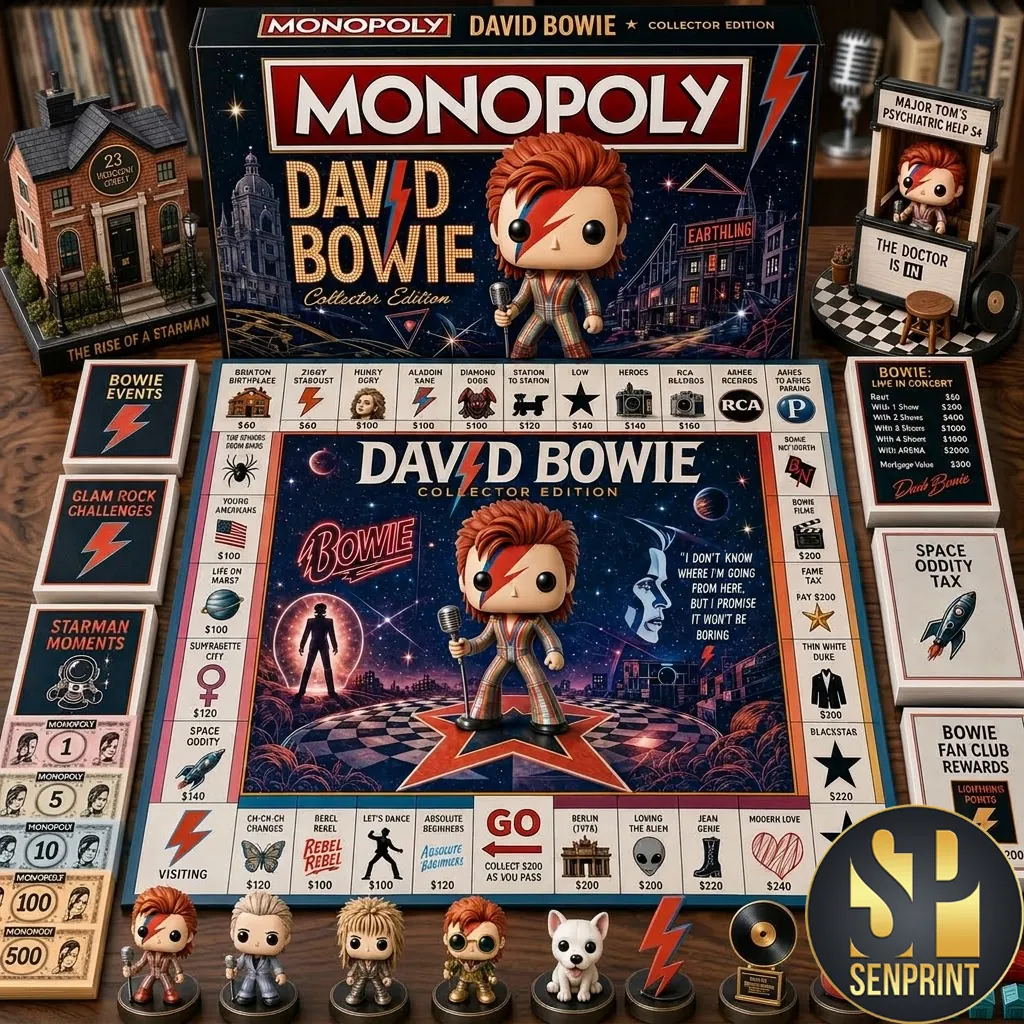
David Bowie Collector Edition Monopoly Premium Board Game
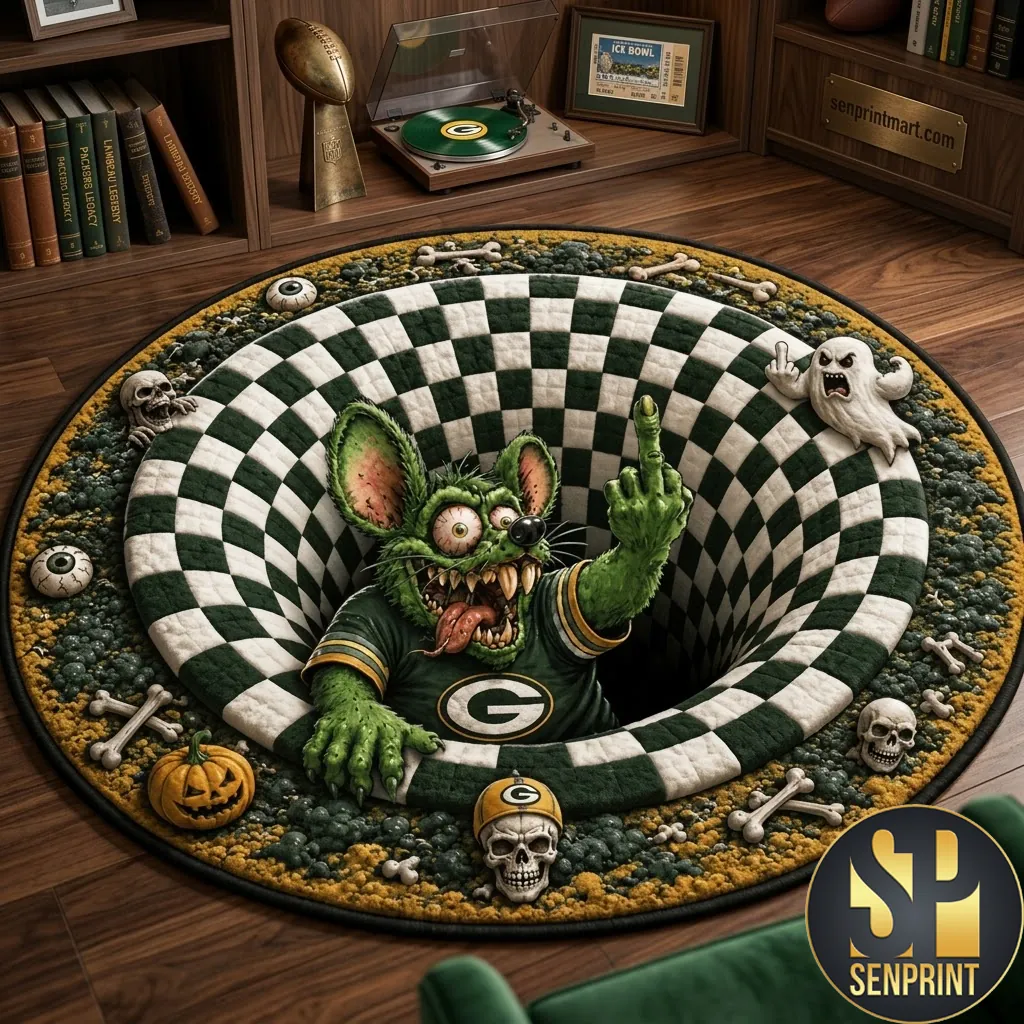
Green Bay Packers Halloween 3D Illusion Round Rug
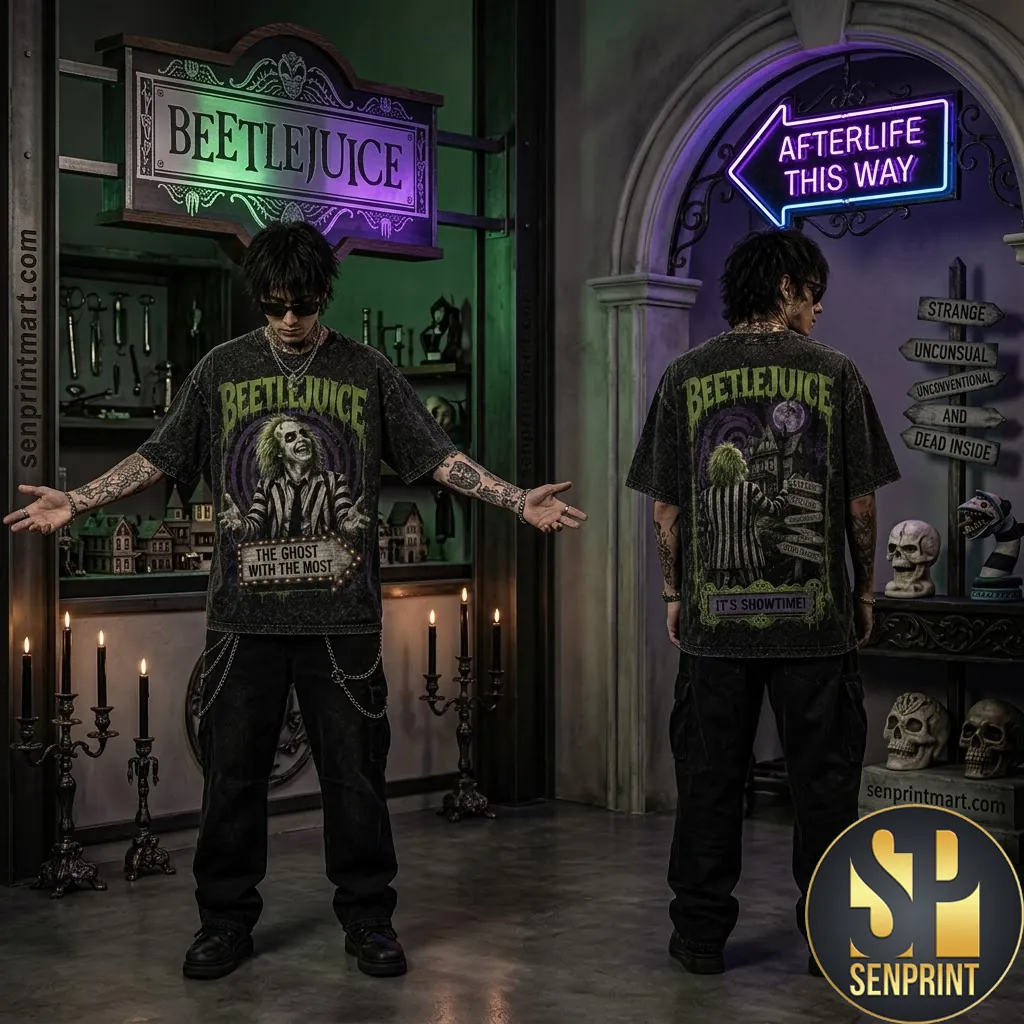
Beetlejuice The Ghost With The Most Graphic Vintage Wash Shirt
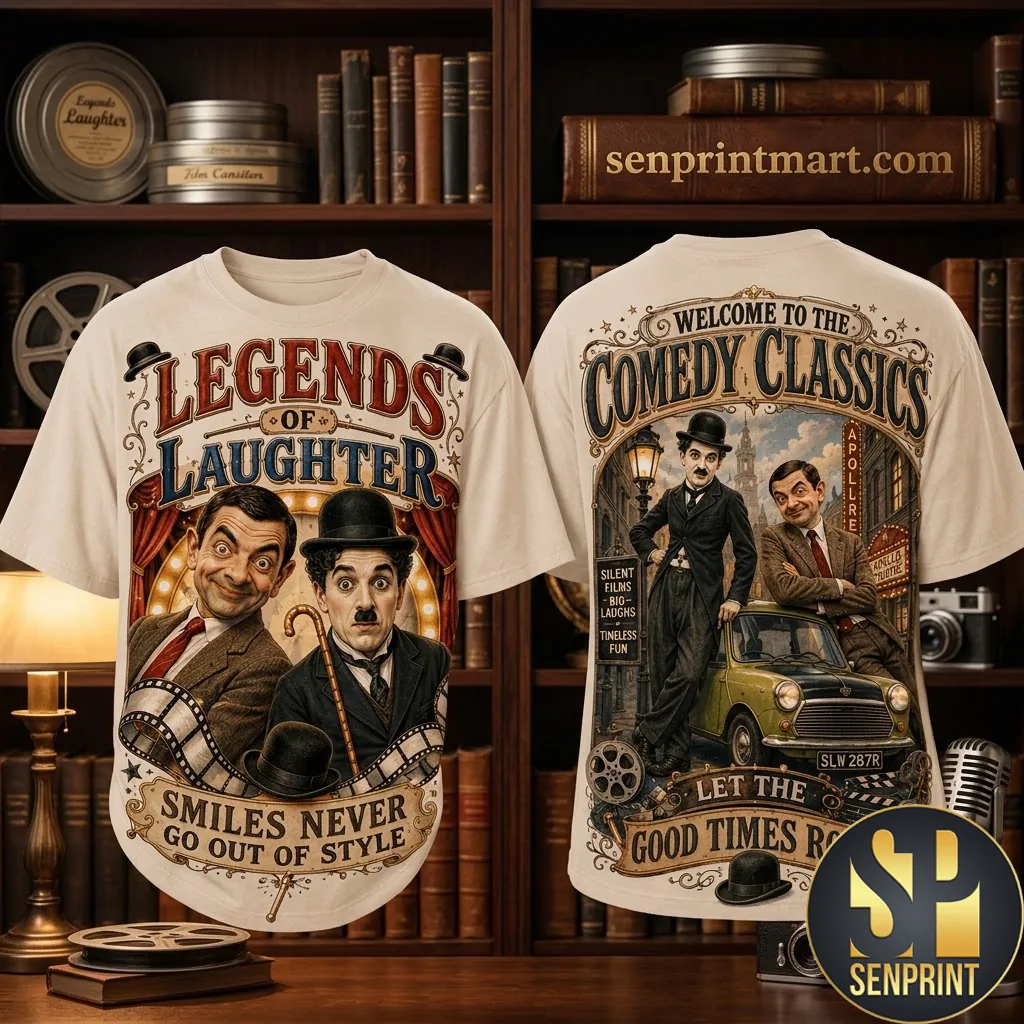
Legends Of Laughter Comedy Classics Charlie Chaplin Mr Bean 3D Shirt
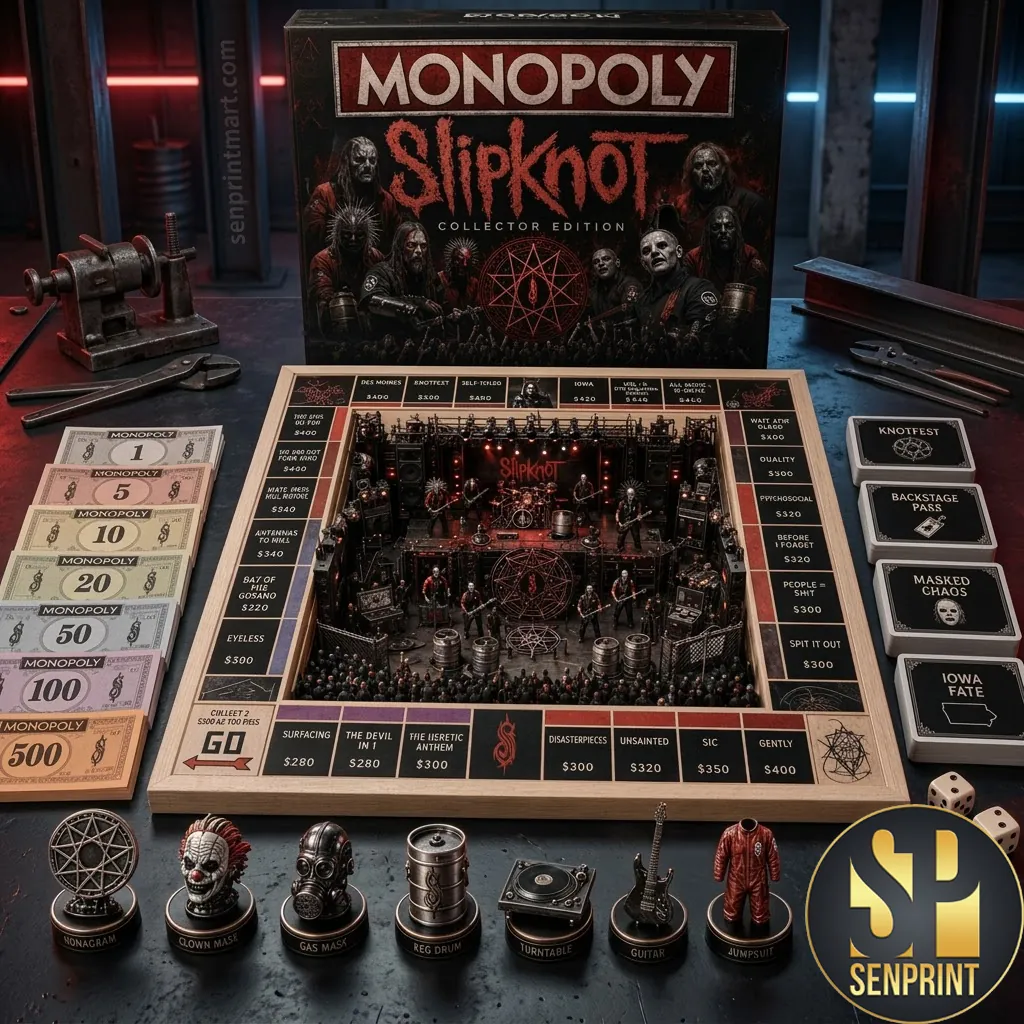
Slipknot Monopoly Collector Edition Official Band Board Game

New England Patriots Monopoly Collector Edition Board Game

Dallas Cowboys Rhinestone Halloween Graphic Off Shoulder Sweatshirt

Stray Cats Rock This Town Forever 2026 Vintage Style T-Shirt

Cat In The Hat Budicatt King Of The Cat House Graphic T-Shirt
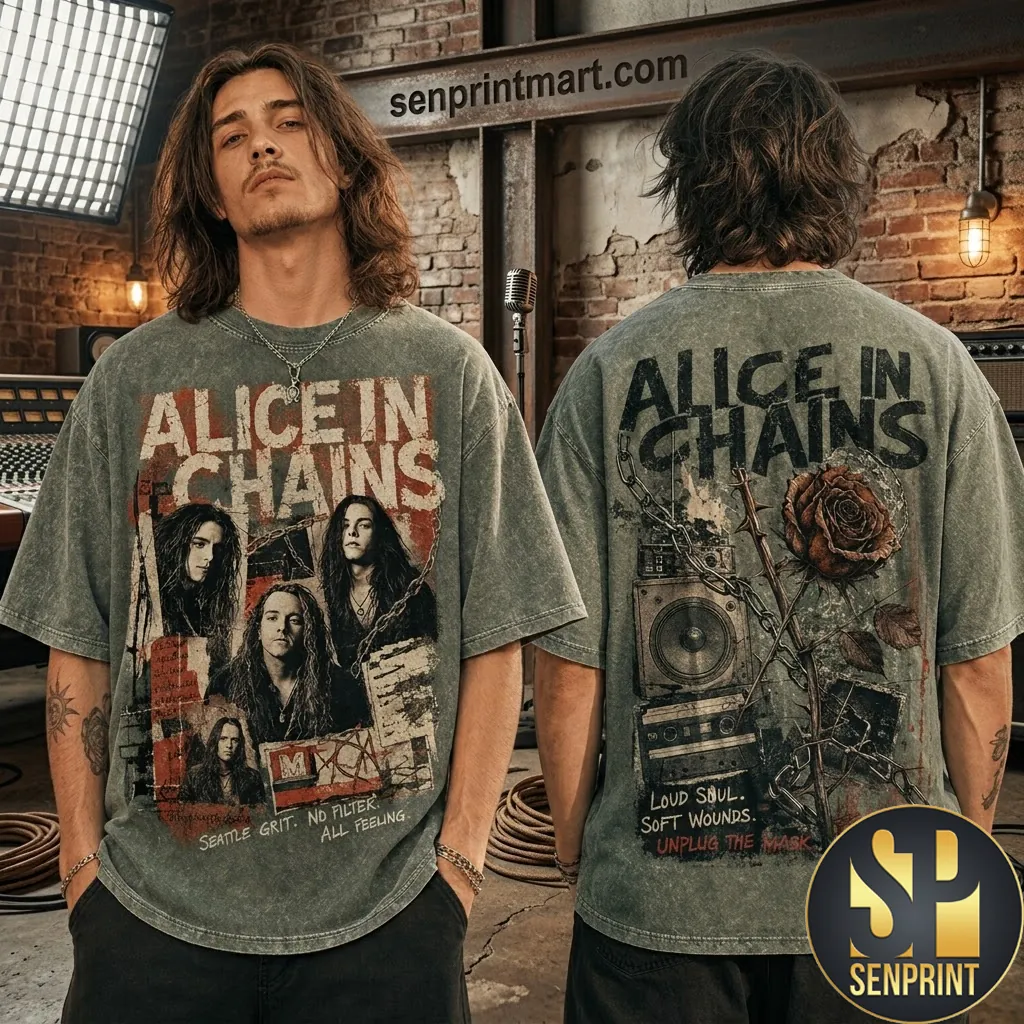
Alice In Chains Seattle Grit Vintage Style Graphic T-Shirt
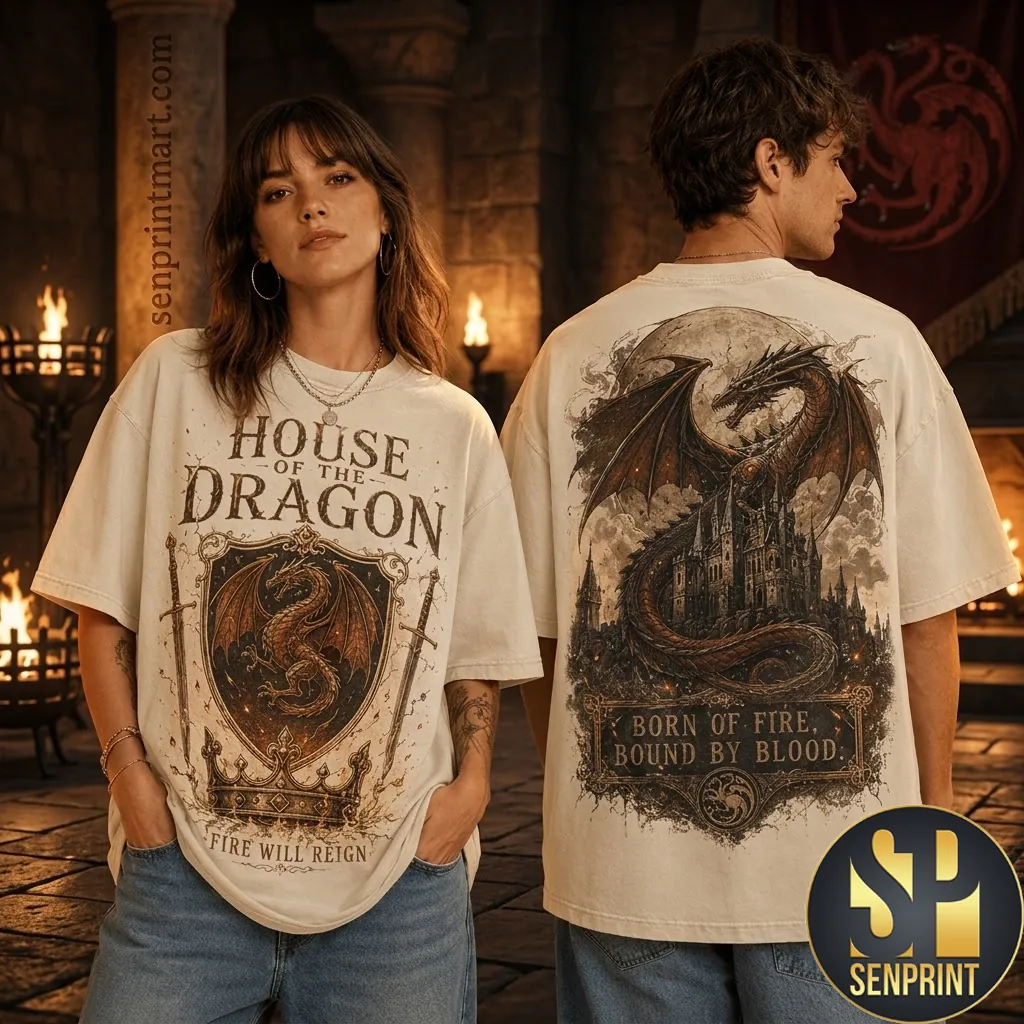
House Of The Dragon Born Of Fire Graphic 3D T-Shirt
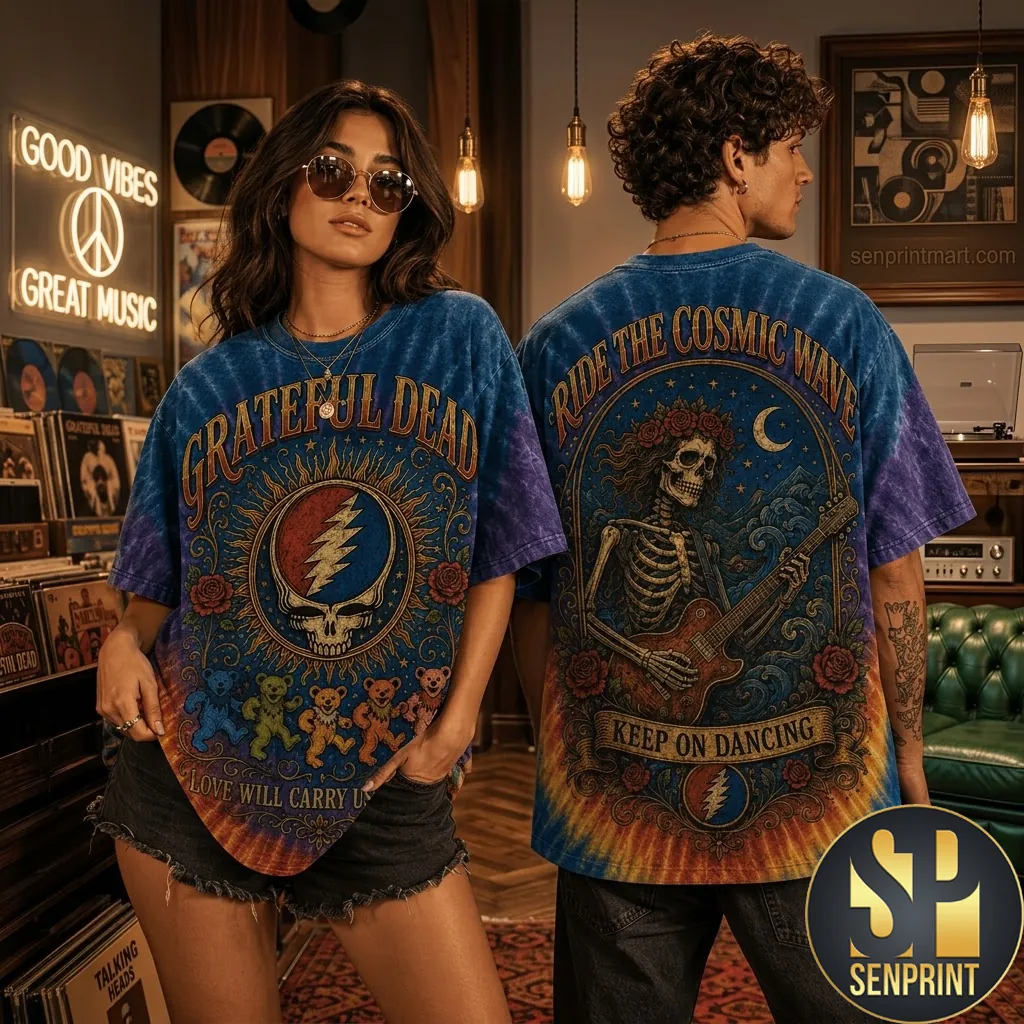
Grateful Dead Ride The Cosmic Wave Dancing Bears Graphic T-Shirt

AC/DC Live Wire High Voltage Nights Vintage Graphic T-Shirt
Earth Wind And Fire Shining Forever Vintage Graphic T-Shirt
Chucky Good Guys Nightmare Horror Movie 40oz Tumbler
Peanuts The Great Pumpkin Halloween Snoopy Bedding Set

BTS BT21 Purple Universe Limited Edition 40oz Travel Tumbler
The Exorcist The Power Of Christ Horror Movie Graphic T-Shirt

On The Waterfront Dignity On The Docks Graphic T-Shirt

Alabama Crimson Tide Roll Tide Premium Collector Edition Shoes

Jaws Summer Of Fear Amity Island Horror Movie Graphic T-Shirt
Devo New Wave Band De-Evolution In Progress Graphic T-Shirt
Pierce The Veil 20th Anniversary Collide With The Sky Graphic T-Shirt

The Big Lebowski The Dude Abides Graphic T-Shirt

Baltimore Orioles 50th Anniversary Bird Logo New Era 9Fifty Snapback Hat
New York Yankees 2000 Subway Series Olive Green Butterfly Logo Snapback Hat

Morgan Wallen Premium Denim Casual Shoes

Buffalo Bills Rhinestone Halloween Bills Mafia Sweatshirt

FC Union Berlin Die Eisernen Edition Premium Metal Car Emblem

Terrifier Art The Clown Horror Movie Graphic Casual Shoes
Ghostface Just A Happy Soul Horror Movie Graphic T-Shirt
West Virginia Mountaineers Football WVU Logo Performance T-shirt
Slipknot Chaos After Dark Halloween 3D Graphic T-Shirt
Back To The Future Halloween Night Vintage 3D Graphic Shirt
Welcome To The Nightmare Horror Movie Character Solar Garden Lamp

Delta Sigma Theta Monopoly Collector Edition Board Game
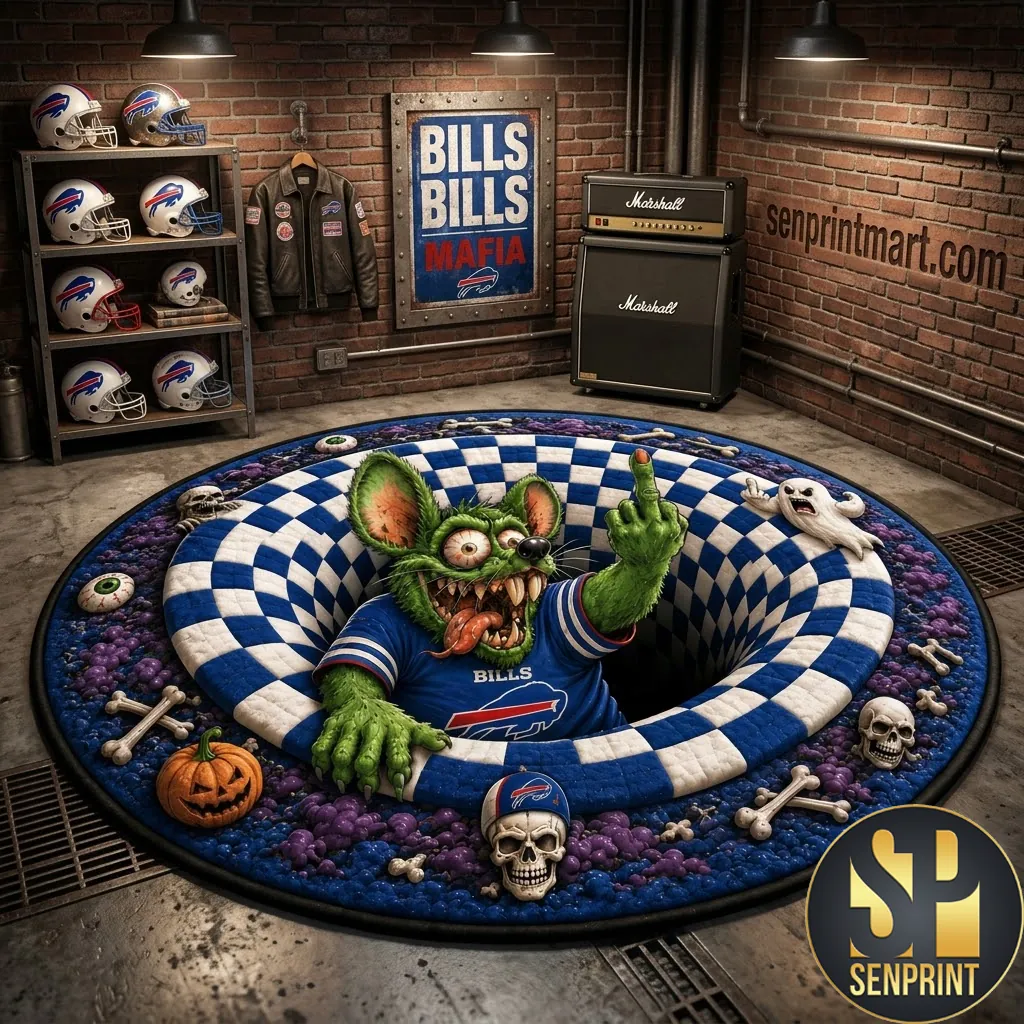
Buffalo Bills Mafia Halloween 3D Illusion Quilted Round Rug
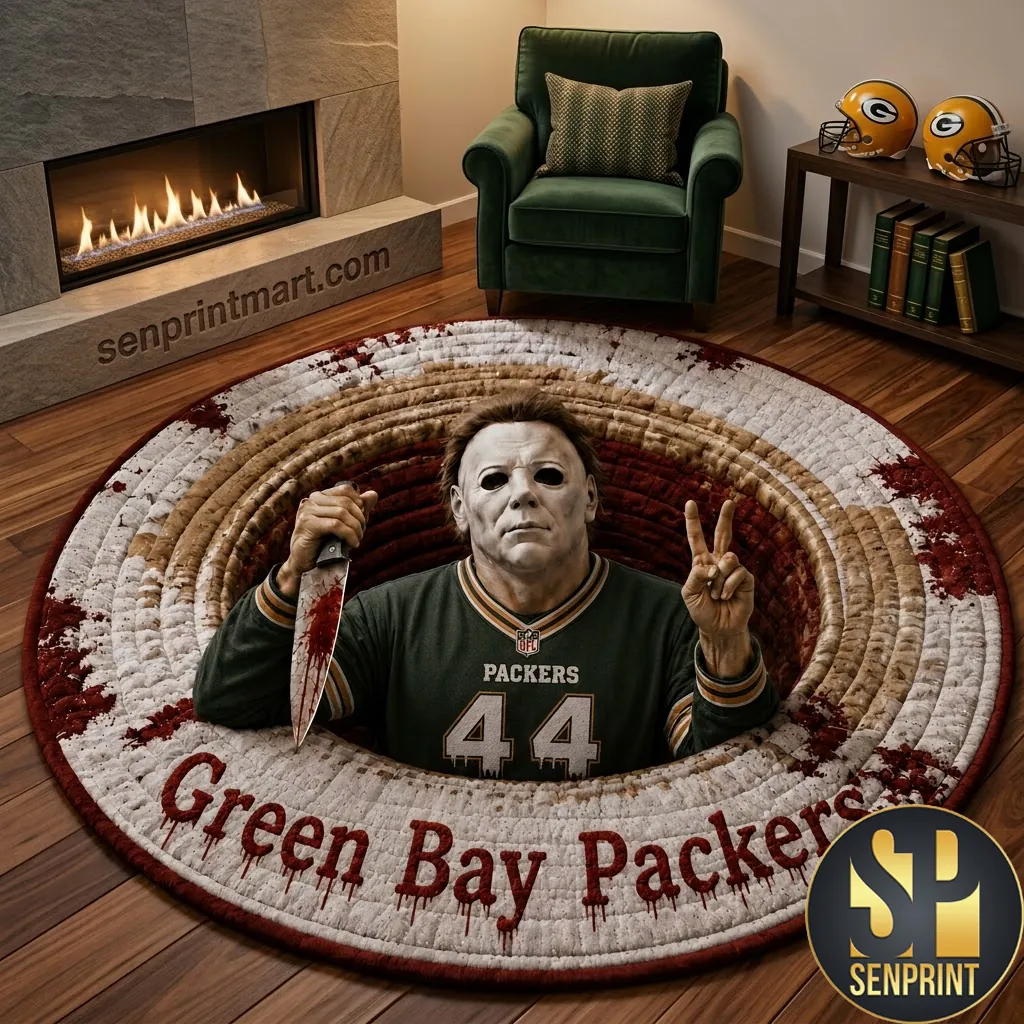
Green Bay Packers Michael Myers Halloween Horror Quilted Round Rug

Alpha Phi Alpha Fraternity Custom Clue Edition Board Game

Cher Queen Of Pop Music Legend Commemorative Shaped Pillow
Godzilla 2026 Kaiju Christmas 24 Day Holiday Advent Calendar
Ohio State Buckeyes Brutus Halloween Haunted Castle Countdown Calendar

The Legend of Zelda 40th Anniversary Limited Edition Advent Calendar

Personalized Leukemia Awareness Bear Fight Today Hope Tomorrow Pillow
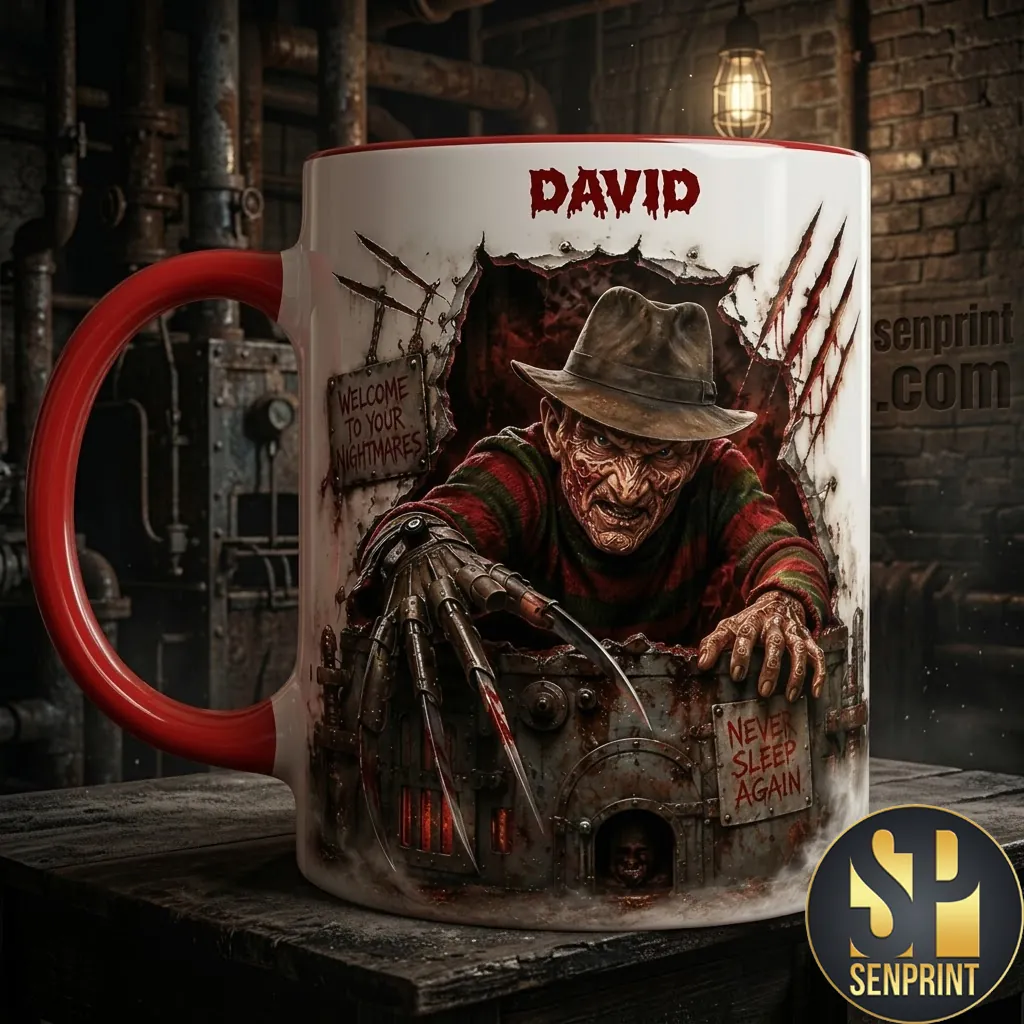
Freddy Krueger Welcome To Your Nightmares Personalized Horror Mug
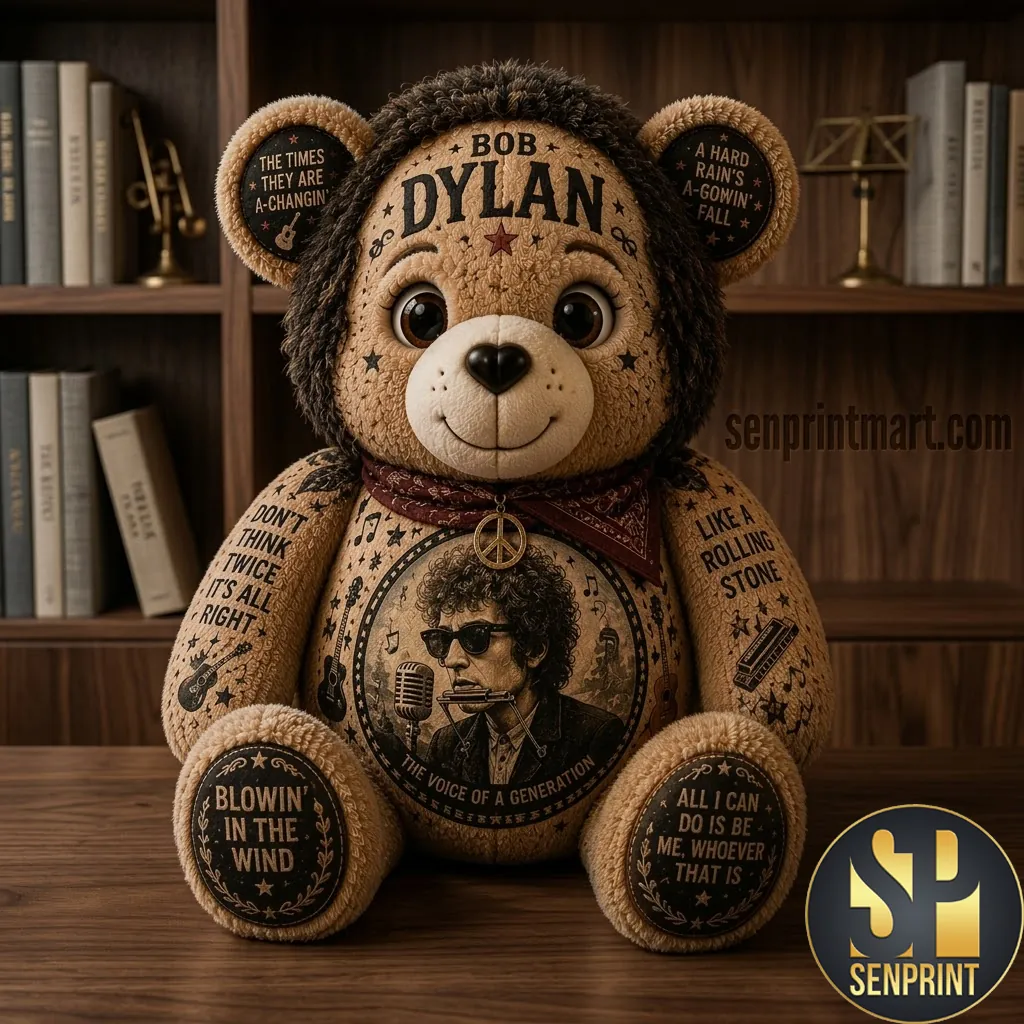
Bob Dylan The Voice Of A Generation Commemorative Plush Bear

Tennessee Volunteers 135th Anniversary 1891-2026 Go Big Orange Christmas Ornament
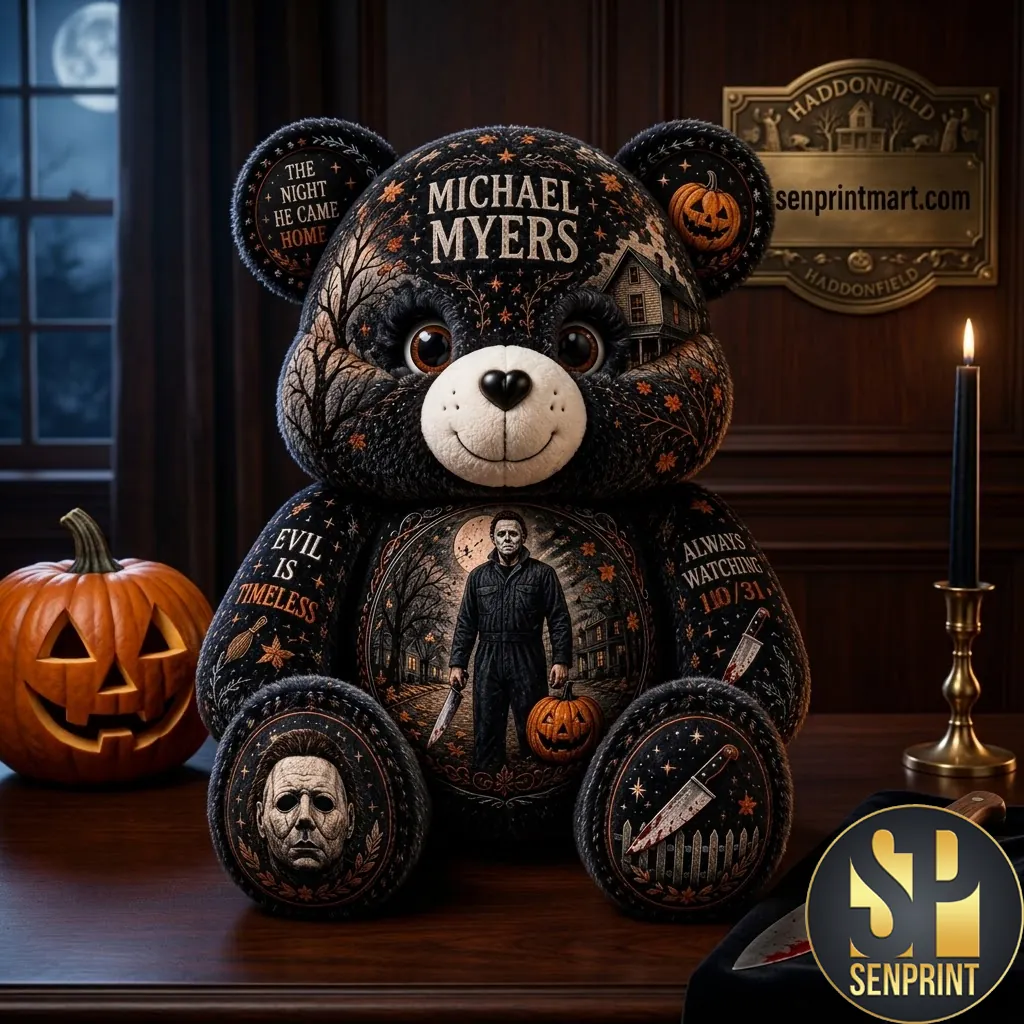
Michael Myers Halloween Horror Movie Custom Shaped Pillow

Turkey Farm 24 Piece Acrylic Ornament Advent Calendar
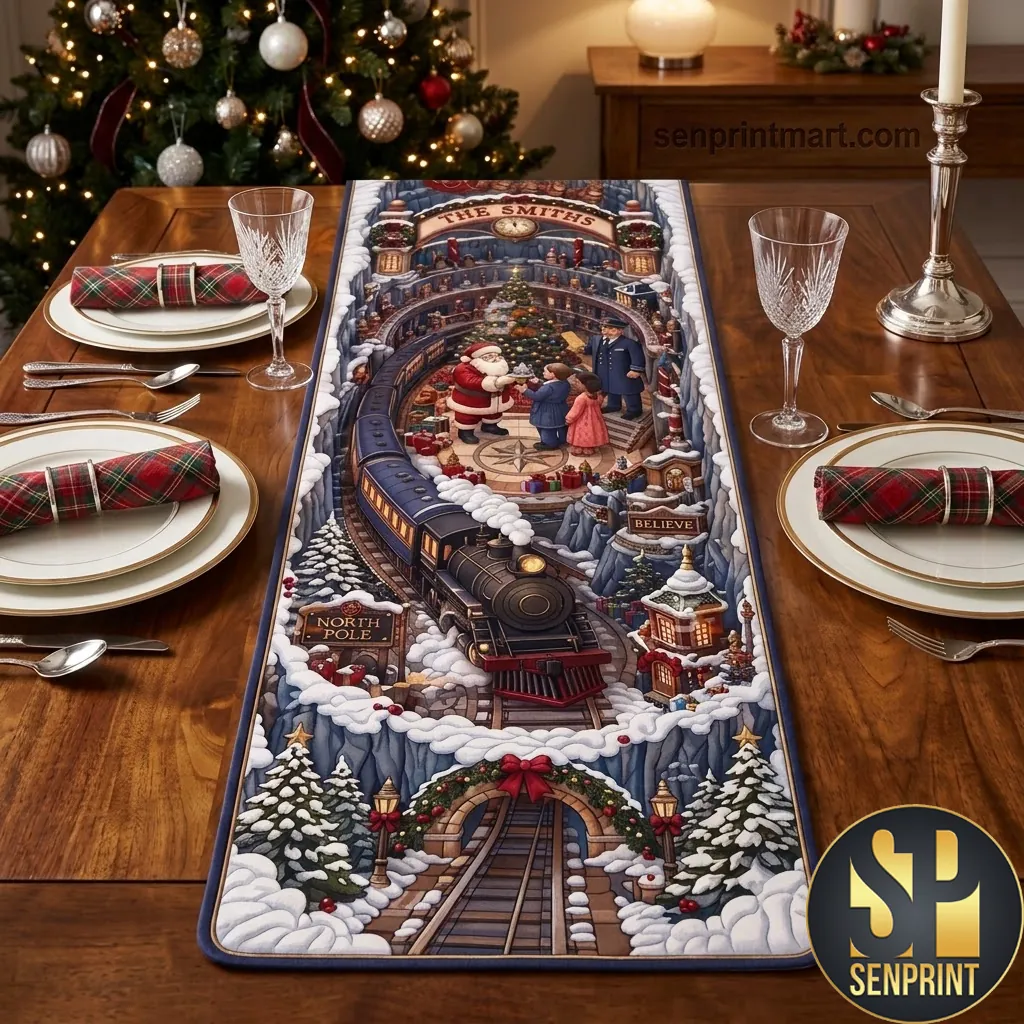
Personalized North Pole Christmas Train Quilted Table Runner